Safe grooming routine for cats and when to see a groomer

Share
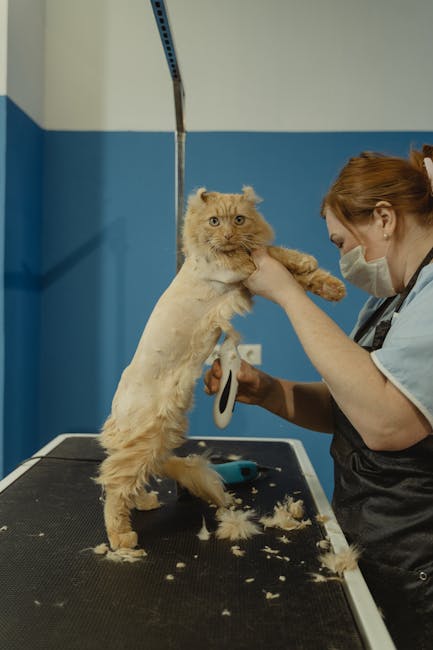
Safe grooming routine for cats and when to see a groomer
Introduction
Maintaining a safe grooming routine for cats and when to see a groomer is an important part of keeping your feline friend healthy and comfortable. This information applies to cats of all ages, from playful kittens to senior cats, as their grooming needs can vary throughout their lives.
Regular grooming helps reduce the risk of skin problems, matting, and discomfort. It also supports overall well-being by allowing you to check for any changes in your cat’s coat or skin. However, it’s important to remember that preventive care reduces health risks but does not guarantee perfect health.
Every cat is unique, and grooming routines should be tailored to their individual needs. This article offers general guidance but does not replace the advice of a licensed veterinarian. Always work with your vet to create a preventive care plan that suits your cat’s specific health and lifestyle.
Reviewed by SASI Vet Preventive Care Editorial Board.
Why preventive care matters
Establishing a safe grooming routine for cats and when to see a groomer is an important part of your cat’s overall health and well-being. Regular grooming helps keep your cat’s coat clean and free of mats, reduces shedding, and can prevent skin irritations or infections.
Preventive grooming also allows you to spot potential health issues early, such as lumps, bumps, or parasites like fleas and ticks. Catching these concerns early can lower the risk of more serious problems and reduce emergency visits.
Benefits of a consistent grooming routine include:
- Improved comfort and mobility by preventing painful mats and tangles
- Better skin health through regular brushing and inspection
- Reduced hairballs and ingestion of loose fur
- Strengthened bond between you and your cat through gentle handling
While many grooming tasks can be done at home, knowing when to see a professional groomer is also key. A veterinarian can help you create a preventive care plan tailored to your cat’s needs, ensuring grooming supports their long-term health and happiness.
How this preventive measure works
A safe grooming routine for cats and when to see a groomer plays an important role in maintaining your cat’s overall health and comfort. Regular grooming helps remove loose fur, dirt, and debris, which can reduce shedding and prevent hairballs. It also allows you to check your cat’s skin for any signs of irritation, parasites, or unusual lumps early on.
Grooming supports healthy skin and coat by distributing natural oils, which keeps fur shiny and less prone to matting. For cats with longer hair or those who are less able to groom themselves due to age or health issues, professional grooming can be especially beneficial.
Key benefits of a safe grooming routine include:
- Reducing the risk of mats and tangles that can cause discomfort or skin problems
- Helping to detect potential health concerns early
- Minimizing hair ingestion that leads to hairballs
- Promoting bonding and trust between you and your cat
Because each cat’s needs are unique, it’s best to work with your veterinarian to develop a grooming plan that suits your cat’s age, breed, and health status. They can also advise on when it’s appropriate to seek professional grooming services to keep your cat safe and comfortable.
Which pets need it most
Maintaining a safe grooming routine for cats and when to see a groomer is important for many feline companions, but some cats benefit more than others depending on their individual needs.
Cats that may need extra grooming attention include:
- Long-haired breeds: Such as Persians or Maine Coons, which are prone to matting and tangles.
- Senior cats: Older cats may have difficulty grooming themselves due to arthritis or dental issues.
- Indoor and outdoor cats: Outdoor cats can pick up dirt, debris, or parasites that require regular grooming checks.
- Cats with health conditions: Skin allergies, obesity, or mobility problems can make self-grooming challenging.
- Busy or multi-pet households: Where cats may need extra help to stay clean and comfortable.
Every cat is unique, so it’s best to work with your veterinarian to develop a grooming plan tailored to your cat’s lifestyle, health, and coat type. Your vet can also advise when professional grooming services might be beneficial to keep your cat happy and healthy.
What pet owners should look out for
Maintaining a safe grooming routine for cats is an important part of their overall health and comfort. While grooming at home, pet owners should watch for signs that may indicate your cat needs extra care or professional grooming support.
Some key behaviours and changes to monitor include:
- Excessive scratching or biting: This could suggest skin irritation, allergies, or parasites.
- Mattes or tangled fur: Difficult-to-manage mats can cause discomfort and skin problems if left untreated.
- Changes in coat condition: Dullness, thinning, or patchy fur might signal underlying health issues.
- Unusual odours: Persistent smells can indicate skin infections or dental concerns.
- Reluctance to be groomed: Sudden resistance may point to pain or anxiety.
Regularly checking your cat’s skin and coat during grooming sessions helps you spot these signs early. Remember, a safe grooming routine for cats should be tailored to their individual needs and lifestyle. Always consult your veterinarian to develop a preventive care plan that suits your cat’s health and well-being.
Role of the veterinarian
Your veterinarian plays a key role in developing a safe grooming routine for cats and when to see a groomer. They work with you to create a personalised preventive care plan that supports your cat’s overall health and comfort.
During regular visits, your vet will perform thorough physical exams to check your cat’s skin, coat, and nails. These exams help identify any issues that might affect grooming, such as skin conditions or dental problems.
In addition to grooming advice, your veterinarian will guide you on:
- Vaccination plans tailored to your cat’s lifestyle and health status
- Parasite control recommendations to keep fleas, ticks, and worms at bay
- Nutrition advice that supports a healthy coat and skin
- Screening tests to detect underlying health concerns early
- Follow-up appointments to monitor your cat’s progress and adjust care as needed
Remember, preventive care plans should always be created in partnership with your veterinarian. They provide expert guidance to ensure your cat’s grooming routine is safe, effective, and suited to their unique needs.
Safe home practices
Maintaining a safe grooming routine for cats and when to see a groomer starts with gentle, regular care at home. Brushing your cat’s coat not only helps reduce shedding and prevent mats but also strengthens your bond. Use a brush suited to your cat’s fur type and be patient, especially if your cat is new to grooming.
In addition to brushing, keep an eye on your cat’s overall health during grooming sessions. Check for any unusual lumps, bumps, or skin irritations, and look for signs of parasites like ticks or fleas. Regularly trimming your cat’s nails can prevent discomfort and injury, but be cautious not to cut too close to the quick.
Other safe home practices include:
- Cleaning your cat’s ears gently with a vet-approved method if needed
- Brushing your cat’s teeth to support dental health, using products made for cats
- Monitoring your cat’s weight and activity levels to ensure they stay healthy
- Providing environmental enrichment to reduce stress and promote well-being
Remember, every cat is unique. Discuss your cat’s grooming needs and preventive care plan with your veterinarian to ensure the best approach for your furry friend’s health and comfort.
Common myths and misunderstandings
When it comes to a safe grooming routine for cats and when to see a groomer, there are several myths that can cause confusion or unnecessary worry. It’s important to rely on evidence-informed veterinary advice to ensure your cat’s well-being.
Myth 1: All cats hate grooming and should never be brushed. While some cats may be more sensitive, many enjoy gentle brushing, which helps reduce shedding and prevents mats. Introducing grooming gradually and using the right tools can make the experience positive.
Myth 2: You should only take your cat to a groomer if they are severely matted. Regular professional grooming can be beneficial, especially for long-haired cats or those with special needs. A groomer can help maintain coat health and spot potential skin issues early.
Myth 3: Bathing cats frequently is necessary for cleanliness. Most cats are excellent self-groomers and do not require frequent baths. Overbathing can dry out their skin. Your veterinarian can advise if and when a bath is appropriate.
Remember, every cat is unique. A safe grooming routine for cats and when to see a groomer should be tailored with your veterinarian’s guidance to keep your feline friend comfortable and healthy.
Life-stage considerations
A safe grooming routine for cats and when to see a groomer can vary depending on your cat’s life stage. Each age group has unique needs that influence how you approach grooming and preventive care.
Kittens
Young kittens are still developing their tolerance for handling and grooming. Gentle brushing and gradual introduction to nail trimming help build positive experiences. Always use tools designed for small, delicate bodies.
Adult cats
Adult cats generally tolerate regular grooming better, but individual preferences vary. Regular brushing helps reduce shedding and hairballs, while checking for skin issues or parasites supports overall health.
Senior cats
Older cats may have mobility or health challenges that make grooming more difficult. They might need extra help with brushing or require professional grooming to maintain comfort and hygiene.
- Adjust grooming tools and techniques to your cat’s comfort and health status.
- Monitor for changes in coat condition or behaviour that might signal health concerns.
- Consult your veterinarian to develop a grooming plan tailored to your cat’s age and needs.
Remember, preventive care plans should always be created with your veterinarian to ensure the safest and most effective grooming routine for your cat.
FAQs
How often should I groom my cat at home?
Most cats benefit from regular brushing to keep their coat healthy and reduce shedding. The frequency depends on your cat’s coat type-long-haired cats may need daily brushing, while short-haired cats often do well with weekly grooming. Always use a brush suited for your cat’s fur and be gentle to avoid causing stress or skin irritation.
When is it a good idea to see a professional groomer?
Professional grooming can be helpful if your cat has matted fur, difficulty grooming themselves, or if you’re unsure how to safely trim nails or clean ears. Groomers have experience handling cats and can provide services like de-matting, nail trimming, and bathing in a calm environment.
Can grooming be stressful for my cat?
Yes, some cats find grooming stressful, especially if they are not used to it. To make grooming a positive experience:
- Start slowly and keep sessions short.
- Use treats and gentle praise.
- Choose a quiet, comfortable space.
If your cat shows signs of distress, consult your veterinarian for advice on how to proceed safely.
Are there any health signs I should watch for during grooming?
Grooming is a great time to check for unusual lumps, skin redness, bumps, or parasites like fleas. If you notice anything concerning, contact your veterinarian to discuss the best next steps.
How can I create a safe grooming routine for cats and when to see a groomer?
Establish a gentle, consistent grooming routine that suits your cat’s needs and personality. Regularly check with your veterinarian to ensure your approach supports your cat’s health and comfort. Professional groomers can be a helpful part of this routine when extra care is needed.
Summary
Establishing a safe grooming routine for cats helps maintain their coat health, reduces shedding, and supports overall well-being. Regular grooming can also prevent matting and skin issues, making your cat more comfortable and happy.
While many grooming tasks can be done at home, it’s important to know when to seek professional help. A groomer can assist with more challenging grooming needs, such as nail trimming or dealing with severe mats, especially if your cat is anxious or difficult to handle.
Keep in mind that every cat is unique, and grooming needs may vary based on age, breed, and health status. Working closely with your veterinarian ensures your cat’s grooming routine is safe and appropriate.
Key points to remember:
- Safe grooming supports your cat’s comfort and skin health.
- Professional groomers can help with specialized care or difficult grooming tasks.
- Regular veterinary check-ups are essential to identify any underlying health issues that might affect grooming.
- Open communication with your vet team helps tailor a preventive care plan that fits your cat’s needs.
Additional Resources
- Canadian Veterinary Medical Association (CVMA)
- American Veterinary Medical Association (AVMA)
- World Small Animal Veterinary Association (WSAVA)
- Royal Society for the Prevention of Cruelty to Animals (RSPCA)
- Ontario Veterinary College, University of Guelph
Disclaimer: This article provides general information about preventive care for pets and does not replace professional veterinary advice. Always talk to a licensed veterinarian about your pet’s specific needs.