

Safe home environment guide for cat owners

Share
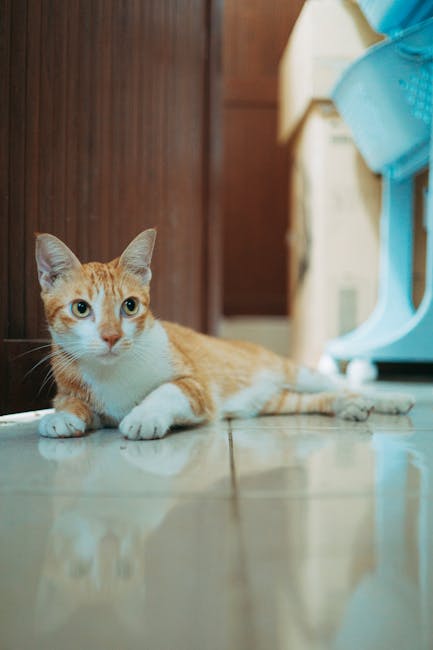
Safe home environment guide for cat owners
Introduction
Creating a safe home environment is an important part of preventive care for cat owners. Whether you have a playful kitten, an adult cat, or a senior feline companion, taking steps to reduce hazards in your home can help lower the risk of accidents and illness. While prevention supports your cat’s overall well-being, it does not guarantee perfect health.
This guide offers practical tips to help you make your living space safer for your cat. It is designed to complement, not replace, the advice and care provided by your veterinarian. Every cat is unique, so working with a veterinary professional is essential to develop a preventive care plan tailored to your pet’s specific needs.
Remember, preventive care includes:
- Identifying and removing potential dangers in your home
- Providing a stimulating and comfortable environment
- Monitoring your cat’s behaviour and health regularly
By focusing on these areas, you can help your cat enjoy a happier, healthier life in a safe home environment.
Reviewed by SASI Vet Preventive Care Editorial Board.
Why preventive care matters
Creating a safe home environment guide for cat owners is an essential part of preventive care that helps keep your feline friend healthy and happy for years to come. By proactively addressing potential hazards and adopting good habits, you can significantly lower the risk of common injuries and illnesses.
Preventive care supports your cat’s well-being in several important ways:
- Reduces the chance of accidents: Removing toxic plants, securing windows, and keeping harmful substances out of reach helps prevent emergencies.
- Improves overall quality of life: A safe and stimulating environment encourages natural behaviours and reduces stress.
- Minimizes costly vet visits: Preventing injuries and illnesses means fewer emergency trips and serious complications.
Remember, every cat is unique. The best preventive care plan is one tailored to your pet’s specific needs and lifestyle, developed in partnership with your veterinarian. Regular check-ups and open communication with your vet will ensure your cat stays safe and healthy in your home environment.
How this preventive measure works
A safe home environment guide for cat owners helps reduce risks that could harm your feline friend. The basic idea is to create a living space that minimises common dangers such as toxic plants, harmful chemicals, and unsafe objects. By identifying and managing these risks, you support your cat’s overall health and wellbeing.
This type of prevention focuses on:
- Removing or securing items that could cause injury or poisoning
- Providing safe spaces for your cat to explore and rest
- Ensuring access to clean water and nutritious food in a secure area
- Maintaining a clean environment to reduce exposure to parasites and bacteria
Each cat’s needs can vary based on age, health, and personality. That’s why it’s important to work with your veterinarian to develop a preventive care plan tailored to your cat’s unique lifestyle. Together, you can identify specific hazards in your home and make adjustments that keep your cat safe and comfortable.
Remember, a safe home environment is a key part of preventive care that complements regular veterinary check-ups and other health measures.
Which pets need it most
Creating a safe home environment guide for cat owners is beneficial for many cats, but some may gain particular advantages based on their unique needs and circumstances. Understanding which cats benefit most can help you prioritise preventive care effectively.
Species and age
- Kittens: Young cats are curious and more prone to accidents, making a safe environment essential to prevent injuries and poisoning.
- Senior cats: Older cats may have mobility or sensory challenges that require adjustments to their surroundings to keep them comfortable and safe.
Lifestyle and environment
- Indoor cats: Even indoor cats face risks from household hazards like toxic plants, open windows, or accessible cords.
- Outdoor or indoor-outdoor cats: These cats encounter additional dangers such as traffic, predators, and exposure to toxins, increasing the need for a secure home base.
Existing health conditions
- cats with chronic illnesses or disabilities may require tailored environmental modifications to support their health and well-being.
Every cat is unique, so it’s important to work with your veterinarian to develop a preventive care plan that fits your cat’s specific needs and lifestyle. This ensures the safest and happiest home environment possible.
What pet owners should look out for
Creating a safe home environment guide for cat owners includes knowing what signs and behaviours to watch for that might indicate your cat needs preventive care or that something isn’t quite right. Early observation can help you and your veterinarian keep your feline friend healthy and comfortable.
Some common changes to monitor include:
- Appetite or drinking habits: Notice if your cat suddenly eats or drinks much more or less than usual.
- Activity levels: A decrease in playfulness or increased hiding can signal discomfort or illness.
- Litter box use: Changes in frequency, consistency, or signs of difficulty may suggest urinary or digestive issues.
- Grooming behaviour: Over-grooming, hair loss, or a dull coat can indicate stress, allergies, or skin problems.
- Respiratory signs: Persistent coughing, sneezing, or nasal discharge should be noted.
- Weight changes: Sudden weight loss or gain warrants attention.
Remember, these observations are not a diagnosis but helpful clues to discuss with your veterinarian. Preventive care plans tailored to your cat’s needs are best developed in partnership with a veterinary professional. Regular check-ups and open communication will help ensure your cat’s home environment remains safe and supportive of their well-being.
Role of the veterinarian
Creating a safe home environment guide for cat owners involves more than just making your home physically secure-it also requires a thoughtful preventive care plan developed with your veterinarian. Your vet plays a key role in keeping your cat healthy through regular check-ups and tailored advice.
During physical exams, your veterinarian assesses your cat’s overall health and can detect early signs of illness. Together, you will discuss vaccination plans to protect against common diseases, as well as parasite control recommendations to keep fleas, ticks, and worms at bay.
Nutrition advice is another important aspect of preventive care. Your vet can help you choose the right diet based on your cat’s age, lifestyle, and health needs. Screening tests may also be suggested to monitor for conditions that are not always obvious but can be managed effectively if caught early.
Preventive care is an ongoing partnership. Your veterinarian will guide you on when to schedule follow-up visits and how to adjust care as your cat grows or their needs change. Always consult your vet before making changes to your cat’s health routine to ensure the safest and most effective approach.
Safe home practices
Creating a safe home environment is essential for your cat’s health and happiness. This safe home environment guide for cat owners offers simple, practical tips to help you provide the best care while preventing common risks.
Regularly check your cat’s teeth and gums for signs of discomfort or unusual changes, and maintain a healthy weight by monitoring their food intake and activity levels. Enriching your cat’s environment with toys, scratching posts, and cozy resting spots supports mental and physical well-being.
Keep an eye out for any signs of parasites such as ticks or fleas, especially if your cat spends time outdoors. Always consult your veterinarian before starting or changing any treatments or medications.
To promote a safe home, consider these practices:
- Secure windows and balconies to prevent falls
- Store household cleaners, plants, and foods that are toxic to cats out of reach
- Provide fresh water daily and clean litter boxes regularly
- Offer a quiet, comfortable space where your cat can retreat and relax
- Use gentle grooming techniques to keep your cat’s coat healthy
Remember, every cat is unique. Work with your veterinarian to develop a preventive care plan tailored to your cat’s needs and lifestyle.
Common myths and misunderstandings
When creating a safe home environment guide for cat owners, it’s important to gently address some common myths that can cause confusion or worry. Understanding the facts helps you make the best choices for your cat’s well-being.
Myth 1: Indoor cats don’t need any safety precautions. Even indoor cats can face hazards like toxic plants, open windows, or small objects they might swallow. A safe home environment means identifying and reducing these risks.
Myth 2: All plants are safe for cats. Many common household plants can be harmful if ingested. It’s best to check with your veterinarian about which plants are safe and keep questionable ones out of reach.
Myth 3: Cats always avoid dangerous areas on their own. While cats are curious and agile, they can still get into trouble. Preventive measures, such as securing cords and covering outlets, help keep your cat safe.
Remember, every cat is unique. The best preventive care plan, including how to create a safe home environment guide for cat owners, should be developed in partnership with your veterinarian. They can provide advice tailored to your cat’s specific needs and lifestyle.
Life-stage considerations
Creating a safe home environment guide for cat owners involves understanding the unique needs of cats at different life stages. Each stage-from playful kittens to wise seniors-requires tailored preventive care to keep your feline friend healthy and happy.
Kittens
Kittens are curious and energetic, so it’s important to kitten-proof your home by securing small objects, toxic plants, and cords. Their developing immune systems also mean close veterinary guidance is essential for vaccinations and parasite prevention.
Adult Cats
Adult cats benefit from a stable environment with regular enrichment to prevent boredom and stress. Preventive care focuses on maintaining a balanced diet, dental health, and monitoring for any early signs of illness.
Senior Cats
Senior cats may have reduced mobility or sensory changes, so adapting your home to their needs-like providing easy access to litter boxes and cozy resting spots-is important. Regular veterinary check-ups become even more critical to catch age-related health issues early.
Remember, while these general tips can help guide you, every cat is unique. Work closely with your veterinarian to develop a preventive care plan that suits your cat’s specific life stage and health status.
FAQs
What are the most common household hazards for cats?
Many everyday items can pose risks to cats, including toxic plants, certain foods (like onions and chocolate), cleaning products, and small objects that could be swallowed. Creating a safe home environment guide for cat owners involves identifying and removing or securing these hazards.
How can I make my home safer for a curious cat?
Keep harmful substances out of reach, secure windows and balconies, and provide plenty of safe toys and scratching posts. Regularly check for loose wires or small items that could be chewed or ingested.
Are there specific plants I should avoid having around my cat?
Yes, many common houseplants can be toxic to cats, such as lilies, philodendrons, and poinsettias. It’s best to research plants before bringing them home and consult your veterinarian for a list of safe options.
Can I use regular cleaning products around my cat?
Some cleaning products contain chemicals that can irritate or harm cats. Use pet-safe cleaners whenever possible, and always keep your cat out of rooms while cleaning and until surfaces are dry.
Why is it important to work with a veterinarian on preventive care?
Every cat is unique, and a veterinarian can help tailor a safe home environment guide for cat owners based on your cat’s age, health, and behaviour. They provide personalized advice to keep your feline friend happy and healthy.
Summary
Creating a safe home environment guide for cat owners is an important step in keeping your feline friend healthy and happy. Preventive care helps reduce risks of accidents, illnesses, and stress by addressing potential hazards before they become problems.
While no home can be completely risk-free, taking practical precautions and maintaining a clean, secure space supports your cat’s well-being. Regular veterinary check-ups are essential to monitor your cat’s health, catch early signs of issues, and tailor preventive care to their unique needs.
Open communication with your veterinarian and their team ensures your preventive care plan is up to date and appropriate. Remember, every cat is different, so working closely with your vet helps you make informed decisions that suit your cat’s lifestyle and health status.
- Identify and remove common household hazards
- Provide enrichment to reduce stress and behavioural issues
- Schedule routine vet visits for health monitoring
- Discuss any concerns or changes in behaviour with your vet
By combining a safe home environment with regular veterinary guidance, you can enjoy many happy years with your cat while supporting their overall health and comfort.
Additional Resources
- Canadian Veterinary Medical Association (CVMA)
- American Veterinary Medical Association (AVMA)
- World Small Animal Veterinary Association (WSAVA)
- Royal Society for the Prevention of Cruelty to Animals (RSPCA)
- Ontario Veterinary College, University of Guelph
Disclaimer: This article provides general information about preventive care for pets and does not replace professional veterinary advice. Always talk to a licensed veterinarian about your pet’s specific needs.



