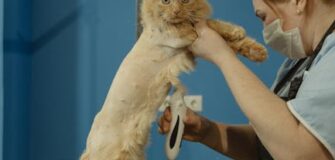
Safe home grooming routine for dogs step by step

Share

Safe home grooming routine for dogs step by step
Introduction
Keeping your dog healthy and happy involves more than just regular vet visits. A safe home grooming routine for dogs step by step is an important part of preventive care that can benefit puppies, adult dogs, and seniors alike. Grooming helps maintain your dog’s coat, skin, nails, and overall comfort, while also allowing you to spot any changes that might need veterinary attention.
It’s important to remember that preventive care, including grooming, reduces the risk of health issues but does not guarantee perfect health. Every dog is unique, and their needs can vary based on age, breed, and lifestyle.
This information is intended to support you in caring for your dog safely at home. It does not replace professional veterinary advice. Always work with your veterinarian to develop a grooming and health plan tailored to your dog’s specific needs.
Reviewed by SASI Vet Preventive Care Editorial Board.
Why preventive care matters
Establishing a safe home grooming routine for dogs step by step is more than just keeping your pet looking good-it plays a vital role in their overall health and happiness. Regular grooming helps you spot early signs of skin issues, parasites, or unusual lumps that might otherwise go unnoticed.
Consistent preventive care can:
- Lower the risk of common skin infections and irritations
- Improve your dog’s comfort by preventing matting and painful tangles
- Support healthy coat and skin condition
- Reduce the chance of emergency visits due to untreated problems
- Strengthen the bond between you and your dog through gentle handling
Remember, every dog is unique. A preventive care plan, including grooming frequency and techniques, should be tailored with guidance from your veterinarian. This ensures your dog’s specific needs are met safely and effectively, helping them enjoy a longer, healthier life.
How this preventive measure works
A safe home grooming routine for dogs step by step helps maintain your pet’s overall health and comfort by keeping their coat, skin, and nails in good condition. Regular grooming not only improves your dog’s appearance but also supports early detection of potential health issues, such as skin irritations, lumps, or parasites.
This type of preventive care works by:
- Removing dirt, debris, and loose hair to prevent matting and skin infections
- Stimulating natural oils in the coat to keep the skin moisturized and healthy
- Allowing you to check for signs of fleas, ticks, or other parasites
- Helping maintain nail length to avoid discomfort or injury
- Providing regular opportunities to observe changes in your dog’s body or behaviour
While a home grooming routine is an important part of your dog’s wellness, it should be tailored to your pet’s specific needs and breed characteristics. Working with your veterinarian ensures that your grooming practices complement other preventive care measures and support your dog’s overall health safely and effectively.
Which pets need it most
A safe home grooming routine for dogs step by step can benefit many pets, but some dogs may gain the most from regular grooming tailored to their needs. Factors such as species, age, lifestyle, environment, and health conditions all play a role in determining which pets require more attentive care.
Dogs with long or thick coats often need more frequent brushing and grooming to prevent mats and tangles. Puppies and senior dogs may also benefit from gentle, consistent grooming to support skin and coat health as they grow or age.
Active dogs that spend a lot of time outdoors might require more regular grooming to remove dirt, debris, and potential parasites. Similarly, dogs living in humid or wet climates can be more prone to skin issues that proper grooming helps manage.
Pets with certain health conditions, such as allergies or skin sensitivities, may need a grooming routine adapted to their specific needs. However, it’s important to remember that any preventive care plan, including grooming, should be developed in consultation with a veterinarian who knows your dog’s individual health history.
- Long-haired or double-coated breeds
- Puppies and senior dogs
- Active outdoor dogs
- Dogs in humid or wet environments
- Pets with skin sensitivities or allergies
Always work with your veterinarian to create a safe and effective grooming routine that suits your dog’s unique needs.
What pet owners should look out for
When establishing a safe home grooming routine for dogs step by step, it’s important to keep an eye on your pet’s overall comfort and health. Regular grooming is more than just keeping your dog looking good-it helps you spot early signs that preventive care may be needed.
Watch for these signs during and after grooming sessions:
- Skin changes: redness, bumps, dryness, or unusual flakes can indicate irritation or allergies.
- Coat condition: excessive shedding, dullness, or patches of hair loss might suggest underlying health issues.
- Behavioural cues: increased scratching, licking, or signs of discomfort could mean your dog is experiencing pain or itchiness.
- Nail and paw health: cracked nails, redness between toes, or limping are worth noting.
- Ear condition: unpleasant odour, redness, or discharge may signal infection.
If you notice any of these changes or if your dog seems unusually stressed during grooming, it’s a good idea to discuss your observations with your veterinarian. They can help tailor a preventive care plan that fits your dog’s unique needs and ensure your grooming routine supports their health and happiness.
Role of the veterinarian
Your veterinarian plays a vital role in creating a safe home grooming routine for dogs step by step, ensuring your pet’s overall health and well-being. They work with you to develop a personalised preventive care plan tailored to your dog’s unique needs.
During regular visits, your vet will perform thorough physical exams to check for any health concerns that might affect grooming or require special attention. They also help design vaccination plans to protect your dog from common diseases and recommend parasite control measures to keep fleas, ticks, and worms at bay.
Nutrition advice is another important aspect of preventive care, as a balanced diet supports healthy skin and coat. Your veterinarian may suggest screening tests to catch potential issues early and will guide you on appropriate follow-up visits.
Remember, preventive care plans should always be created in partnership with your veterinarian. They provide expert guidance and support, helping you maintain a safe and effective grooming routine that promotes your dog’s comfort and happiness.
Safe home practices
Maintaining a safe home grooming routine for dogs step by step helps keep your furry friend healthy and comfortable. Regular grooming is more than just keeping your dog looking good-it supports their overall well-being. Always work with your veterinarian to develop a preventive care plan tailored to your dog’s needs.
Here are some general, safe practices to include in your home grooming routine:
- Brushing: Regular brushing removes loose hair and dirt, prevents matting, and stimulates the skin. Choose a brush suitable for your dog’s coat type.
- Checking for ticks and parasites: After outdoor activities, carefully inspect your dog’s skin and coat for ticks, fleas, or any unusual bumps. Prompt removal and veterinary advice are important if you find anything concerning.
- Oral care: Gently brushing your dog’s teeth or providing dental chews can help reduce plaque buildup and support oral health. Consult your vet for safe options.
- Weight monitoring: Keep an eye on your dog’s weight and body condition. Changes can signal health issues and affect grooming needs.
- Environmental enrichment: A happy, mentally stimulated dog is less likely to become stressed during grooming. Provide toys, exercise, and positive reinforcement.
Remember, never start or change any medications at home without veterinary guidance. Safe grooming is part of a broader preventive care approach best planned with your veterinarian’s support.
Common myths and misunderstandings
When establishing a safe home grooming routine for dogs step by step, it’s normal to encounter some myths or misconceptions. Understanding the facts can help you provide the best care for your furry friend.
One common myth is that all dogs need frequent baths. In reality, over-bathing can strip natural oils from your dog’s coat, leading to dry skin and irritation. Bathing frequency depends on your dog’s breed, activity level, and skin condition, so it’s best to discuss this with your veterinarian.
Another misunderstanding is that grooming is only about appearance. Grooming is also essential for your dog’s health and comfort, helping to prevent matting, detect skin issues early, and reduce shedding.
Some people believe that trimming nails too short is harmless if done carefully. However, cutting nails too short can cause pain and bleeding. Learning proper techniques or seeking professional help is important to avoid injury.
Remember, every dog is unique. A preventive care plan, including grooming, should be tailored with guidance from your veterinarian to ensure it’s safe and effective for your pet’s specific needs.
Life-stage considerations
When establishing a safe home grooming routine for dogs step by step, it’s important to consider your pet’s life stage. Puppies, adult dogs, and seniors all have different needs and sensitivities that can affect how you approach grooming.
Puppies are still getting used to being handled, so gentle, short sessions focused on positive experiences are best. Use soft brushes and avoid overwhelming them with too many tools or long grooming times.
Adult dogs usually tolerate grooming better but may have specific coat or skin needs depending on their breed and activity level. Regular grooming helps maintain a healthy coat and can prevent matting or skin issues.
Senior dogs may have more fragile skin, arthritis, or other health concerns that require a gentler touch and more frequent breaks. Pay attention to any signs of discomfort and adjust your routine accordingly.
Regardless of age, always consult your veterinarian to develop a grooming plan tailored to your dog’s individual health and lifestyle. They can provide guidance on safe techniques and recommend products suited to your pet’s needs.
FAQs
How often should I groom my dog at home?
Grooming frequency depends on your dog’s breed, coat type, and lifestyle. Generally, brushing a few times a week helps prevent mats and keeps the coat healthy. Bathing can be done as needed, but not too often to avoid drying out the skin. Your veterinarian can help you create a safe home grooming routine for dogs step by step that suits your pet’s needs.
What tools do I need for safe home grooming?
Basic grooming tools include:
- A slicker brush or comb suitable for your dog’s coat
- Dog-friendly shampoo
- Blunt-nosed scissors or grooming clippers (if trimming)
- Nail clippers designed for dogs
- A towel and a non-slip surface
Using the right tools helps keep grooming safe and comfortable for your dog.
How can I keep my dog calm during grooming?
Start slowly and be gentle. Offer treats and praise to create positive associations. Short, regular sessions are better than long, stressful ones. If your dog shows signs of distress, pause and try again later. If grooming is challenging, your veterinarian can suggest strategies or professional help.
When should I see a veterinarian about grooming concerns?
If you notice skin irritation, unusual lumps, persistent scratching, or difficulty trimming nails, consult your veterinarian. They can guide you on safe grooming practices and check for underlying health issues. Remember, a preventive care plan including grooming is best developed with your vet’s advice.
Summary
Establishing a safe home grooming routine for dogs step by step offers many benefits, including maintaining your dog’s coat health, preventing skin issues, and strengthening the bond between you and your pet. Regular grooming helps you spot changes early, such as lumps, bumps, or signs of irritation, which can be important for your dog’s overall well-being.
It’s important to have realistic expectations: grooming is a gradual process that requires patience and consistency. Not every dog will enjoy every step right away, so adapting to your dog’s comfort level and preferences is key.
Remember, preventive care is most effective when combined with regular veterinary check-ups. Your veterinarian can provide tailored advice and help you develop a grooming plan that suits your dog’s breed, age, and health needs. Open communication with your vet team ensures any concerns are addressed promptly and safely.
- Promotes healthy skin and coat
- Helps detect health issues early
- Builds trust and comfort during grooming
- Supports overall preventive care alongside vet visits
Always consult your veterinarian to create a safe and effective grooming routine that meets your dog’s unique needs.
Additional Resources
- Canadian Veterinary Medical Association (CVMA)
- American Veterinary Medical Association (AVMA)
- World Small Animal Veterinary Association (WSAVA)
- Royal Society for the Prevention of Cruelty to Animals (RSPCA)
- Ontario Veterinary College, University of Guelph
Disclaimer: This article provides general information about preventive care for pets and does not replace professional veterinary advice. Always talk to a licensed veterinarian about your pet’s specific needs.