Snorting attacks dog

Share
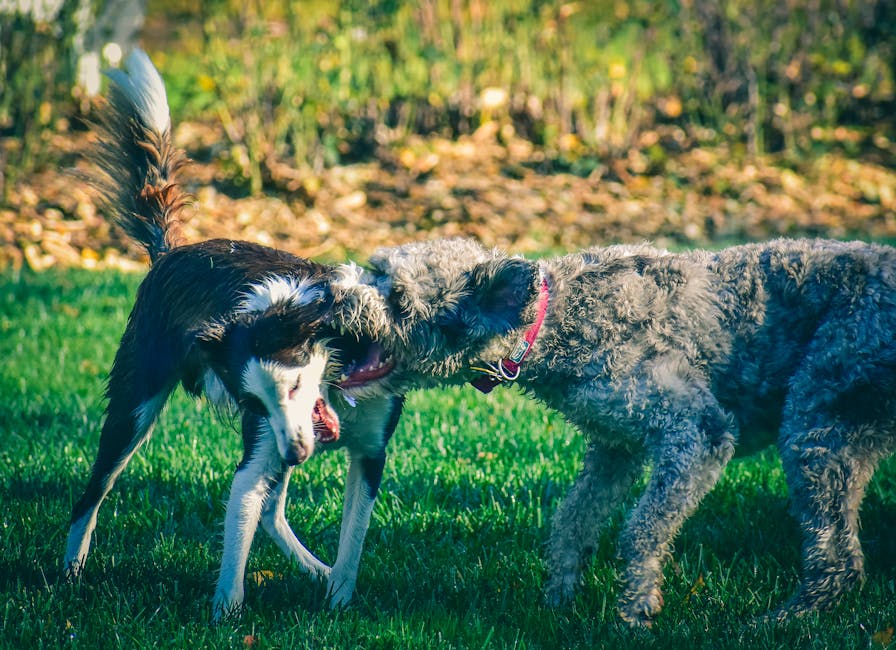
snorting attacks dog
Introduction
Changes in breathing can be concerning for any pet owner, especially when they notice unusual sounds or patterns. One such symptom is snorting attacks dog owners might observe. These episodes can affect both dogs and cats, although the causes and implications may vary between species.
Breathing is essential for your pet’s health and comfort. When your pet experiences snorting or other respiratory changes, it might indicate irritation, blockage, or other underlying issues in the airways. Understanding these signs can help you decide when to seek veterinary advice.
Why Breathing Changes Matter
- They may signal discomfort or distress in your pet.
- Breathing difficulties can affect oxygen intake, impacting overall health.
- Some respiratory symptoms could be signs of infections, allergies, or other medical conditions.
It is important to remember that this information does not replace professional veterinary care. If your pet shows snorting attacks or any unusual breathing patterns, consulting a licensed veterinarian is the safest way to ensure their well-being and receive personalized guidance.
Reviewed by the SASI Vet Respiratory Symptoms Editorial Board.
How this respiratory symptom typically appears
Snorting attacks in a dog may look like sudden, repeated snorting or gagging sounds that can be surprising to notice. These episodes might come and go, sometimes lasting just a few seconds, and could happen more frequently when your dog is excited or after eating.
Common signs you might observe
Along with snorting attacks, your dog might show other breathing changes such as:
- Coughing or sneezing
- Noisy or raspy breathing
- Faster or more labored breathing
- Open-mouth breathing, especially if your dog is struggling to get enough air
- Nasal discharge that may be clear or colored
- Episodes of reverse sneezing, which can sound like choking or gasping
It’s important to remember that each dog may show these signs differently. Some dogs might have mild symptoms that come and go, while others could have more noticeable or frequent episodes. If you notice your dog having snorting attacks or any changes in breathing, it’s a good idea to consult your veterinarian. They can help determine what might be causing these symptoms and recommend the best next steps for your pet’s health.
Common possible causes
Snorting attacks in a dog may arise from a variety of underlying issues. It is important to remember that the same respiratory symptom can have many different triggers, so careful observation and veterinary evaluation are essential.
Mild infections and irritants
Upper respiratory infections, often caused by viruses or bacteria, might lead to snorting or noisy breathing. Environmental irritants such as dust, smoke, or strong odors could also provoke similar symptoms by irritating the nasal passages.
Allergies
Allergic reactions to pollen, mold, or household substances may cause inflammation in the airways, resulting in snorting attacks. These reactions can vary in severity and might come and go depending on exposure.
Upper airway issues
Structural abnormalities or inflammation in the nose, throat, or sinuses could contribute to snorting attacks in a dog. Conditions affecting the soft tissues or cartilage in these areas might cause intermittent breathing noises.
Stress and excitement
In some cases, stress or excitement might trigger snorting as a temporary response. This type of symptom usually resolves quickly but should still be monitored to rule out other causes.
If your pet experiences snorting attacks, consulting a licensed veterinarian is recommended to determine the specific cause and appropriate care.
Less common but important causes
While snorting attacks in dogs are often linked to mild issues, in some cases, they may be a sign of more serious underlying conditions. Less commonly, veterinarians consider problems such as pneumonia, heart disease, or airway collapse when evaluating these symptoms.
Potential serious conditions
- Pneumonia: Inflammation or infection of the lungs can cause breathing difficulties and unusual respiratory sounds.
- Heart disease: Some heart conditions may lead to fluid buildup around the lungs, which can affect breathing patterns.
- Airway collapse: This condition involves weakening of the airway walls, potentially causing noisy breathing or snorting.
- Fluid around the lungs: Also known as pleural effusion, this can interfere with normal respiration and may cause distress.
- Rarely, tumours: Growths in the respiratory tract or chest area might contribute to snorting or other breathing changes.
If your dog experiences frequent or severe snorting attacks, it is important to consult a licensed veterinarian. They can perform a thorough examination and recommend appropriate diagnostic tests to identify any less common but important causes. Early veterinary advice helps ensure your pet receives the best possible care tailored to their needs.
When it may be an emergency
Snorting attacks in dogs can sometimes be a sign of a serious problem that requires urgent veterinary attention. While many causes of snorting are mild, certain signs may indicate an emergency situation.
Red flag signs to watch for
If your pet shows any of the following symptoms, it might be important to seek veterinary care promptly:
- Open-mouth breathing, especially in cats, which may suggest difficulty getting enough air
- Blue or pale gums, indicating possible low oxygen levels or poor circulation
- Rapid or laboured breathing that seems unusual or worsens quickly
- Collapse or extreme weakness, which could signal a serious underlying condition
- Struggling to catch their breath or appearing distressed while breathing
These signs could mean your pet is experiencing a respiratory emergency. If you notice any of them during or after snorting attacks in your dog or cat, it is advisable to contact a veterinarian immediately. Prompt assessment can help ensure your pet receives the care they might need.
How veterinarians evaluate respiratory symptoms
When a dog shows signs such as snorting attacks, veterinarians begin by gathering a detailed medical history. This helps them understand the duration, frequency, and any triggers related to the breathing problem. Owners may be asked about other symptoms or changes in behaviour.
Physical examination
A thorough physical exam is an important next step. The veterinarian will listen carefully to the heart and lungs using a stethoscope to detect any unusual sounds. They may also observe the pet’s breathing pattern and effort.
Diagnostic tests
To gain more information, several tests might be recommended. These could include:
- X-rays to view the chest and airway structures
- Blood tests to check for infections or other underlying conditions
- Measurement of oxygen levels to assess respiratory function
In some cases, ultrasound or advanced imaging techniques may be used to examine the respiratory system more closely. Each test provides pieces of information that help the veterinarian understand the cause of symptoms like snorting attacks in a dog.
If your pet is experiencing respiratory issues, it is important to consult a licensed veterinarian. They can provide a tailored evaluation and recommend appropriate next steps based on your pet’s specific situation.
What pet owners can monitor at home
When your dog experiences snorting attacks, it can be helpful to observe and record certain details at home. Monitoring your pet’s breathing rate while at rest may provide useful information about their respiratory health. You can count the number of breaths per minute when your dog is calm and relaxed.
Breathing effort and sounds
Pay attention to how hard your dog is working to breathe. Increased effort, noisy breathing, or unusual sounds during snorting attacks might be important to note. These observations can help your veterinarian understand the severity of the issue.
Other signs to watch for
Look for the presence of coughing, sneezing, or nasal discharge, as these symptoms could accompany snorting attacks. Changes in your dog’s activity level or appetite might also be relevant, especially if they seem less energetic or interested in food.
Possible triggers
Try to identify any factors that seem to bring on or worsen the snorting attacks. Common triggers might include exercise, excitement, exposure to cold air, or dusty environments. Keeping a simple diary of these details can be very helpful when discussing your dog’s condition with a veterinarian.
Remember, while monitoring these signs at home is valuable, it does not replace professional veterinary evaluation. If you notice any concerning changes or worsening symptoms, please consult your veterinarian for personalized advice and care.
General home care guidance
If your dog experiences snorting attacks, it may help to create a calm and comfortable environment. Stress and excitement might worsen respiratory symptoms, so keeping your pet relaxed could reduce the frequency or severity of these episodes.
Avoid exposing your dog to smoke, strong fumes, or other airborne irritants, as these could potentially trigger or aggravate snorting attacks. Good ventilation and a clean living space might support easier breathing.
Preventing over-exertion is also important. While regular exercise is beneficial, strenuous activity might sometimes lead to increased respiratory effort or discomfort. Monitor your dog’s activity levels and adjust as needed based on their tolerance.
Always follow the guidance provided by your veterinarian regarding your dog’s respiratory health. They can offer advice tailored to your pet’s specific condition and needs.
If you notice any changes in your dog’s breathing patterns, worsening symptoms, or additional concerns, contacting a licensed veterinarian promptly is recommended. Professional evaluation is essential to ensure your dog receives appropriate care.
Supporting long-term respiratory health
Maintaining your pet’s respiratory health over time may help reduce the frequency or severity of snorting attacks dog owners sometimes notice. Regular veterinary checkups are important to monitor your pet’s overall health and catch any potential respiratory issues early.
Keeping your dog at a healthy weight might also support easier breathing and reduce strain on the respiratory system. Avoiding exposure to smoke, harsh aerosols, and other airborne irritants could help minimize respiratory irritation in sensitive pets.
Practical tips for daily care
- Use harnesses instead of tight collars when appropriate to avoid pressure on the neck and airway.
- Keep your pet’s vaccinations up to date as recommended by your veterinarian, which may help prevent respiratory infections.
- Provide a clean, well-ventilated living environment to support healthy breathing.
If you notice persistent or worsening respiratory symptoms, including frequent snorting attacks dog owners find concerning, it is best to consult a licensed veterinarian. They can offer personalized advice and determine if further evaluation or treatment is needed.
FAQs
What causes snorting attacks in dogs?
Snorting attacks in dogs may be caused by a variety of factors, including irritation in the nasal passages, allergies, or mild respiratory infections. In some cases, anatomical differences or obstructions could contribute. It is important to have a veterinarian evaluate your dog to determine the underlying cause.
When should I be concerned about my dog’s snorting attacks?
If snorting attacks become frequent, severe, or are accompanied by other signs such as coughing, difficulty breathing, nasal discharge, or lethargy, it is advisable to seek veterinary advice promptly. These symptoms might indicate a more serious condition requiring professional assessment.
Can snorting attacks in dogs be prevented?
Prevention depends on the cause. Minimizing exposure to allergens, avoiding irritants like smoke or strong scents, and maintaining good overall health may help reduce episodes. Regular veterinary check-ups can also help identify and manage potential issues early.
Is snorting the same as coughing or sneezing?
Snorting is different from coughing or sneezing. It often involves a sudden, forceful inhalation through the nose and may sound like a honking noise. While it can be harmless, repeated snorting attacks in dogs should be evaluated by a veterinarian to rule out any health concerns.
Could snorting attacks dog experience be a sign of a serious problem?
In some cases, snorting attacks might indicate underlying issues such as nasal tumors, infections, or respiratory tract abnormalities. Because of this, any new or worsening snorting attacks dog owners notice should be discussed with a veterinarian for proper diagnosis and care.
Summary
Respiratory symptoms in pets, such as snorting attacks dog owners might notice, can be concerning and may indicate a variety of underlying issues. These symptoms could range from mild irritations to more serious conditions affecting the nose, throat, or lungs.
Possible causes of snorting attacks and other respiratory signs include allergies, infections, foreign objects, or anatomical differences. In some cases, these symptoms might be temporary, while in others, they could signal a need for veterinary evaluation.
Why Veterinary Care Matters
Because respiratory symptoms can have many different causes, it is important to work closely with a licensed veterinarian. A professional assessment can help determine the reason behind snorting attacks and guide appropriate care. Early evaluation may prevent complications and improve your pet’s comfort.
Remember, while noticing snorting attacks in your dog can be worrying, many pets respond well to proper veterinary attention. If you observe persistent or worsening respiratory signs, contacting your veterinarian is the best step to ensure your pet’s health and well-being.
- Canadian Veterinary Medical Association
- American Veterinary Medical Association
- World Small Animal Veterinary Association
- Ontario Veterinary College, University of Guelph
- Western College of Veterinary Medicine, University of Saskatchewan
Disclaimer: This article provides general information about respiratory symptoms in pets and does not replace professional veterinary advice. Always consult a licensed veterinarian regarding your pet’s specific condition.