Storm anxiety in dogs

Share
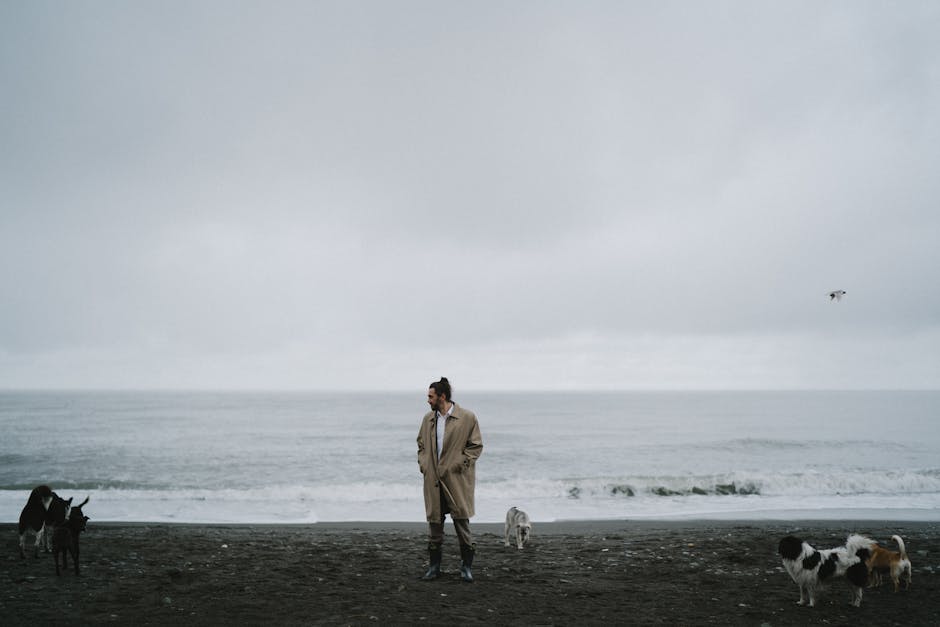
storm anxiety in dogs
Many dogs and cats experience feelings of unease during certain situations, and storm anxiety in dogs is a common example. Anxiety can show up in different ways, depending on the individual pet’s personality and past experiences. Some pets may become restless or seek extra comfort, while others might hide or vocalize more than usual.
Reviewed by the SASI Vet Behavior & Anxiety Editorial Board.
What anxiety may look like at home
Storm anxiety in dogs can show up in many gentle ways, and each pet may express their feelings differently. You might notice your dog becoming restless or pacing around the room, as if searching for comfort. Some dogs pant more than usual or tremble quietly, signaling their unease.
Other common signs include hiding in safe spots or staying unusually close to you, seeking reassurance. Vocalizing, such as whining or barking softly, can also be a way your dog communicates their Anxiety during storms.
Here are some everyday signs to watch for:
- Restlessness or pacing
- Increased panting or trembling
- Hiding or seeking shelter
- Vocalizing softly or frequently
- Clinginess or staying close to family members
Remember, these behaviors are your dog’s way of coping with their feelings. If you notice these signs, gently providing comfort and a calm environment can help. For personalized support, consulting a qualified professional is always a kind step to take.
Common situations that may trigger anxiety
Many dogs experience moments of unease in response to various everyday situations. Understanding these common triggers can help you provide comfort and support to your pet. It’s important to remember that each dog is unique, and what causes anxiety in one may not affect another in the same way.
Some broad categories that often contribute to feelings of anxiety include:
- Separation from their loved ones, which can create a sense of uncertainty.
- Loud noises such as thunderstorms, fireworks, or construction sounds.
- Changes in routine or environment, including moving to a new home or rearranging furniture.
- Unfamiliar places or situations that may feel overwhelming or confusing.
- Social stress, such as meeting new people or other animals.
Storm anxiety in dogs is a common example of how loud noises and environmental changes can affect their emotional well-being. If you notice signs of anxiety in your dog, gently observing their behavior and consulting with a qualified professional can provide valuable guidance tailored to your pet’s needs.
How positive-based training supports anxious pets
Supporting pets with storm anxiety in dogs involves creating a calm and reassuring environment where they feel safe. Positive-based training focuses on rewarding calm behaviour and gently introducing pets to triggers at a comfortable pace. This approach helps build trust and confidence without increasing fear or stress.
Consistency and predictability are key elements in helping anxious pets feel secure. Establishing regular routines for feeding, play, and rest can provide a comforting structure. Clear, gentle communication through body language and tone also helps pets understand what to expect, reducing uncertainty.
Some helpful strategies include:
- Using treats and praise to reward relaxed behaviour
- Gradual, low-stress exposure to sounds or situations that cause anxiety
- Creating quiet, cozy spaces where pets can retreat
- Maintaining calm energy and avoiding sudden movements or loud voices
It is important to avoid any form of punishment, as this can increase fear and worsen anxiety. For personalized guidance, consulting a qualified veterinary behaviourist or trainer can provide tailored support to help your pet feel more comfortable and secure.
Environmental and routine adjustments
Creating a calm and secure environment can be very comforting for dogs experiencing storm anxiety in dogs. Providing a safe space, such as a cozy crate or a quiet room with familiar bedding, helps your pet feel protected during stressful weather. Enrichment activities like puzzle toys or gentle play can also offer positive distractions and reduce anxiety.
Maintaining predictable feeding and exercise routines supports your dog’s sense of stability. Regular mealtimes and daily walks help establish a comforting rhythm that can ease nervousness. Additionally, keeping household routines calm and consistent, with soft voices and minimal sudden noises, encourages a peaceful atmosphere.
Some helpful adjustments include:
- Designating a quiet, comfortable area as a retreat
- Offering interactive toys or chew items to engage your dog’s attention
- Sticking to regular feeding and walking schedules
- Minimizing loud noises and sudden movements in the home
Remember, every dog is unique, so observing your pet’s responses and consulting with a qualified behaviour professional can provide personalized guidance to support your dog’s well-being during storms.
Additional gentle strategies to ease storm anxiety
Beyond environmental adjustments and positive training, there are several gentle approaches you can incorporate to help your dog feel more at ease during storms. Soft, calming music or white noise can sometimes help mask the sounds of thunder and rain, creating a more soothing atmosphere. Some dogs find comfort in gentle massage or slow petting, which can help lower their stress levels.
Providing your dog with familiar scents, such as a piece of your clothing or their favorite blanket, can also offer reassurance. These familiar smells remind your dog of safety and companionship, which can be especially comforting during unsettling weather.
Engaging your dog in low-key activities before a storm, like a relaxed walk or gentle play, may help expend nervous energy and promote relaxation. However, it’s important to follow your dog’s cues and avoid pushing them if they seem overwhelmed.
Using calming aids such as snug-fitting garments designed to provide gentle pressure can be comforting for some dogs. These items mimic the sensation of a reassuring hug, helping to reduce anxiety without causing any discomfort.
Always observe your dog’s reactions to new strategies and adjust accordingly, ensuring that any approach respects their individual preferences and comfort levels.
Creating a supportive atmosphere during storms
During a storm, your presence can be one of the most reassuring things for your dog. Staying nearby, speaking softly, and offering gentle touch can help your dog feel less alone and more secure. Avoid forcing interaction if your dog prefers to retreat, but let them know you are there when they want comfort.
Sometimes, dimming the lights or closing curtains can reduce visual stimuli that might add to your dog’s stress. Providing familiar toys or blankets in their safe space can also create a sense of normalcy amidst the storm’s chaos.
Remember, patience and empathy go a long way. Each storm is an opportunity to learn more about your dog’s unique needs and preferences, helping you tailor your support in the most loving way possible.
When anxiety may be more serious
Most dogs experience some level of unease during storms, but sometimes the signs of distress can be more intense. If your dog shows extreme reactions that seem overwhelming or difficult to soothe, it may indicate a deeper level of anxiety. Observing your pet closely can help you notice when their discomfort goes beyond typical storm anxiety in dogs.
Some signs to watch for include:
- Persistent pacing or trembling that does not subside
- Attempts to escape or hide excessively
- Self-injurious behaviors such as chewing or scratching themselves
- Sudden changes in behavior, including increased aggression or withdrawal
These behaviors can be distressing for both you and your dog. It’s important to approach the situation with patience and kindness. Consulting a qualified veterinary behaviour professional can provide valuable guidance tailored to your dog’s unique needs. They can help you understand your dog’s experience and support you in creating a comforting environment during storms.
Working with professionals
When addressing storm anxiety in dogs, seeking guidance from qualified professionals can provide valuable support and reassurance. Positive-reinforcement trainers, veterinary behaviour professionals, and veterinarians each offer unique expertise that can help you understand your dog’s needs and develop gentle strategies to ease their anxiety.
It’s important to remember that behaviour concerns sometimes have underlying medical components. A veterinarian can help rule out or address any physical issues that might contribute to your dog’s discomfort during storms. Meanwhile, behaviour specialists focus on creating a calm and positive environment tailored to your dog’s individual temperament.
Working with professionals offers several benefits, including:
- Personalized advice based on your dog’s specific situation
- Support in using kind, reward-based techniques that build confidence
- Guidance on creating a safe and comforting space for your dog
- Ongoing encouragement and adjustments as your dog progresses
By collaborating with compassionate experts, you can help your dog feel more secure and supported during challenging times. Remember, every dog is unique, and professional guidance can make a gentle, positive difference in managing storm anxiety in dogs.
Common owner questions (FAQs)
What signs might indicate my dog has storm anxiety? You may notice your dog pacing, trembling, hiding, or seeking extra comfort during storms. Some dogs may bark more or show restlessness. These behaviors are ways your dog expresses discomfort and a need for reassurance.
How can I help my dog feel safer during storms? Creating a calm environment with familiar items like blankets or toys can provide comfort. Gentle petting and a soothing voice often help your dog feel more secure. Each dog is unique, so observing what brings your pet peace is important.
Is it normal for dogs to be anxious during storms? Yes, many dogs experience some level of anxiety during loud noises or changes in weather. This is a natural response, and your understanding and patience can make a big difference in helping your dog cope.
Should I try to distract my dog during a storm? Distraction can be helpful if your dog is receptive. Engaging in calm activities like gentle play or offering a favorite chew may redirect their focus. However, always follow your dog’s cues and avoid forcing interaction if they prefer to be alone.
When should I seek professional advice about storm anxiety in dogs? If your dog’s anxiety seems severe or is affecting their quality of life, consulting a qualified behaviour professional can provide personalized support. They can offer guidance tailored to your dog’s needs in a kind and respectful way.
Summary
Storm anxiety in dogs is a common experience that many pets and their families face. With patience and understanding, it is possible to help your dog feel more secure and comfortable during stormy weather. Kindness and a calm approach create a safe environment where your dog can gradually build confidence.
Providing consistent structure and gentle reassurance can make a significant difference. Simple steps like maintaining a quiet space, offering comforting items, and staying close can help your dog feel supported. Remember, every dog is unique, and progress may take time.
When managing storm anxiety in dogs, consider these supportive approaches:
- Maintain a calm and soothing presence
- Create a safe, cozy retreat for your dog
- Use positive reinforcement to encourage calm behavior
- Establish predictable routines to reduce uncertainty
Always seek guidance from qualified professionals who can provide personalized advice tailored to your dog’s needs. With gentle care and expert support, you can help your dog navigate stormy moments with greater ease and comfort.
- American Veterinary Society of Animal Behavior (AVSAB)
- International Association of Animal Behavior Consultants (IAABC)
- Association of Professional Dog Trainers (APDT)
- Fear Free Happy Homes
- Pet Professional Guild (PPG)
Disclaimer: This article provides general information about pet anxiety and does not replace professional evaluation or guidance.