Supplements for highly active cats

Share
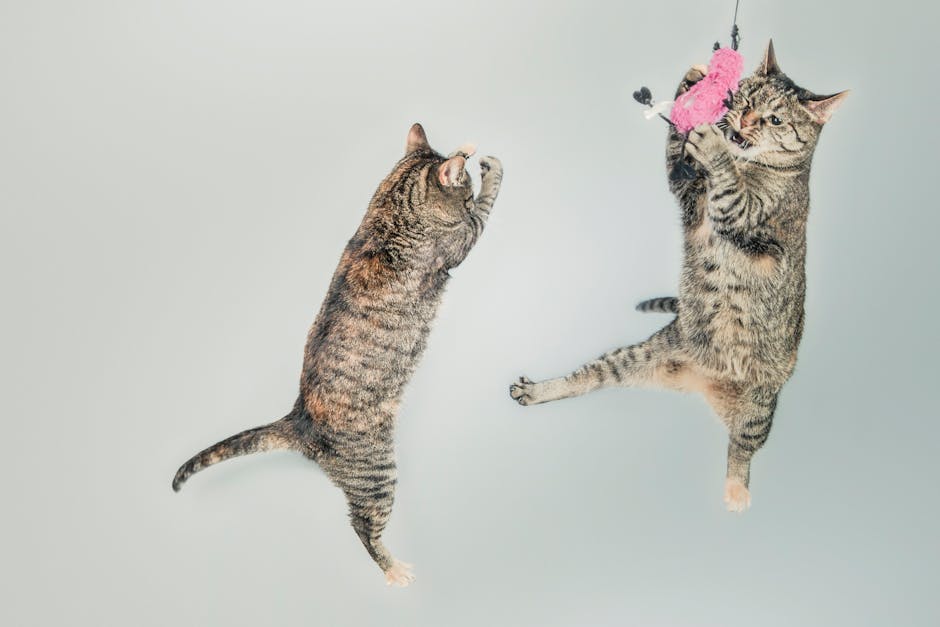
Supplements for highly active cats
Introduction
Nutritional Supplements for dogs and cats are products designed to support various aspects of your pet’s health. These may include joint support supplements, skin and coat enhancers, digestive aids, and general wellness products. While supplements might provide additional benefits, they are not a substitute for a balanced diet or regular veterinary care.
This article focuses on supplements for highly active cats, which could help support their unique nutritional needs. Active cats may benefit from certain nutrients that support energy, muscle function, and overall vitality.
It is important to understand that supplements do not replace professional veterinary advice or treatment. They might be helpful in some cases but should be used cautiously and under the guidance of a licensed veterinarian or a qualified veterinary nutrition professional.
Always consult your veterinarian before introducing any new supplement to your pet’s routine. This ensures the supplement is appropriate and safe for your cat’s individual health status and lifestyle.
Reviewed by the SASI Vet Nutrition & Supplements Editorial Board.
What are pet nutritional supplements?
Pet nutritional supplements are products designed to provide additional nutrients or support specific body systems in pets. They may be used to complement a balanced diet, especially in cases where certain nutrients might be lacking or when extra support is desired for health and wellness.
These supplements come in various forms, making it easier to fit them into your pet’s routine. Common types include:
- Chews or treats
- Liquids or syrups
- Powders that can be mixed with food
- Capsules or tablets
It’s important to understand that supplements for highly active cats or other pets are not meant to replace a complete and balanced diet. Instead, they might provide targeted support for energy, joint health, or other needs that arise from an active lifestyle.
Because every pet’s needs are unique, it’s best to consult a licensed veterinarian before starting any supplement. They can help determine if a supplement might be beneficial and guide you on safe use tailored to your pet’s health.
Common types of supplements for dogs and cats
Supplements for highly active cats and other pets come in various forms, each designed to support different aspects of health. Understanding these broad categories can help you discuss options with your veterinarian.
Joint and Mobility Support
These supplements often contain ingredients that might help maintain healthy joints and improve mobility. They could be beneficial for pets experiencing stiffness or those with an active lifestyle that puts extra strain on their joints.
Skin and Coat Support
Supplements in this category aim to promote healthy skin and a shiny coat. They often include fatty acids and vitamins that may help reduce dryness, itching, or shedding in some pets.
Digestive Health
Digestive supplements typically include probiotics and fiber, which might support a balanced gut environment and regular bowel movements. These could be helpful for pets with occasional digestive upsets or sensitivities.
Urinary Support
Urinary supplements are intended to support urinary tract health and maintain proper pH balance. They might be useful for pets prone to urinary issues, but veterinary guidance is important before use.
Immune Support
Immune support supplements may contain antioxidants and vitamins that could help strengthen the body’s natural defenses. They are often considered for pets facing stress or environmental challenges.
Calming Supplements
These products might help reduce anxiety or stress in pets during travel, loud noises, or changes in routine. Ingredients vary, so consulting a veterinarian is recommended.
General Multivitamins
Multivitamin supplements provide a range of nutrients that might help fill dietary gaps. They are not a substitute for a balanced diet but could support overall wellness in some cases.
Always consult your veterinarian before starting any supplement to ensure it is appropriate for your pet’s specific needs and health status.
When supplements may be considered
Supplements for highly active cats might be considered in certain situations to support overall health and well-being. For example, aging joints could benefit from additional nutritional support, as might skin dryness or changes in the haircoat. Mild digestive upset or periods of stress may also prompt owners to explore supplement options.
In some cases, supplements could help maintain energy levels and support recovery after increased physical activity. However, it is important to remember that supplements are not a substitute for proper veterinary diagnosis or treatment of underlying medical conditions.
Common situations where supplements might be helpful
- Aging or stiff joints
- Dry or dull skin and coat changes
- Mild digestive concerns
- Stressful events such as travel or environmental changes
- Increased activity or exercise demands
Before starting any supplement, it is best to consult a licensed veterinarian or a qualified veterinary nutrition professional. They can help determine if supplements are appropriate and guide safe, effective use tailored to your cat’s individual needs.
Safety considerations and potential risks
Even supplements marketed as natural or nutritional may have side effects or interact with medications your pet is taking. This is especially important when considering supplements for highly active cats, as their unique metabolism and activity levels could influence how they respond to certain ingredients.
Some potential risks include overdose, especially if multiple products contain overlapping ingredients. Poor-quality manufacturing or misleading labels might result in inconsistent dosages or unexpected substances. These factors could lead to unintended health issues or reduced effectiveness.
Important precautions
- Avoid giving your cat supplements designed for humans unless a veterinarian has specifically approved them.
- Be cautious about combining multiple supplements without professional guidance to prevent excessive intake of certain nutrients.
- Always choose products from reputable sources and consult your veterinarian about their safety and appropriateness.
Because every cat’s health needs are different, it is best to discuss any supplement use with a licensed veterinarian. They can help determine whether a supplement might be beneficial or pose risks based on your cat’s individual health status and lifestyle.
Working with your veterinarian on supplements
When considering supplements for highly active cats, it is important to work closely with your veterinarian. They can review your cat’s medical history and current medications to ensure any new supplements are safe and appropriate.
Your veterinarian might suggest evidence-based supplement options that could support your cat’s health and activity level. Setting clear goals together can help monitor any changes and decide if the supplements are beneficial.
Preparing for your appointment
Bringing product labels or photos of supplements you are interested in can be very helpful. This allows your veterinarian to evaluate the ingredients and discuss potential benefits or limitations.
Questions to ask your veterinarian
- Could this supplement support my cat’s specific needs?
- Are there any risks or interactions with current medications?
- What signs should I watch for to assess effectiveness or side effects?
- How long might it take to see any benefits?
Remember, supplements might provide additional support but should not replace regular veterinary care. Always consult your veterinarian for personalized advice tailored to your cat’s unique health situation.
How to read supplement labels and choose products
When selecting supplements for highly active cats, it is important to carefully read the product labels. Start by looking at the list of active ingredients to understand what nutrients or compounds are included. Clear dosing instructions should be provided to help you give the supplement safely and effectively.
Key label features to check
- Active ingredients and their amounts
- Recommended dosage and frequency
- Batch or lot numbers for quality tracking
- Expiry or best-before dates to ensure freshness
- Manufacturer contact information for questions or concerns
It is best to choose supplements specifically formulated for dogs and cats, as their nutritional needs differ from other animals. Focus on products that emphasize quality and consistency rather than marketing claims or flashy packaging. Reliable manufacturers often provide transparent information and quality assurance.
Remember, supplements might support your cat’s health but should not replace veterinary care. Always consult a licensed veterinarian or a qualified veterinary nutrition professional before starting any new supplement to ensure it is appropriate for your pet’s individual needs.
Monitoring your pet while using supplements
When introducing supplements for highly active cats, it is important to observe your pet closely. Changes in appetite, energy levels, and mobility might indicate how well the supplement is working or if any side effects are occurring.
What to watch for
Keep an eye on your cat’s stool quality, skin condition, and overall behaviour. Improvements may take time, but any sudden changes such as vomiting, diarrhea, or unusual lethargy should be noted.
Keeping a simple log
Recording daily observations can help you track progress and provide useful information to your veterinarian. Note any positive changes as well as concerns, including the timing and severity of symptoms.
When to contact your veterinarian
If your cat shows signs of discomfort, worsening symptoms, or no improvement after a reasonable period, it is best to consult a licensed veterinarian. They can offer guidance tailored to your pet’s specific needs and ensure safe use of supplements.
FAQs
Do all pets need a multivitamin?
Not all pets require a multivitamin. Many healthy cats and dogs receive adequate nutrients from a balanced diet. Supplements might be helpful in some cases, but it’s best to consult a veterinarian before adding any multivitamin to your pet’s routine.
Is it safe to combine different supplements?
Combining supplements could be safe in some situations, but it also might increase the risk of interactions or overdosing on certain nutrients. Always discuss any supplement combinations with your veterinarian to ensure they are appropriate for your pet’s specific needs.
How long can a pet stay on a supplement?
The duration for using supplements varies depending on the pet’s health and the supplement type. Some supplements may be used short-term, while others might be given longer under veterinary guidance. Regular check-ins with your vet can help determine the best course.
Can supplements replace prescription diets or medications?
Supplements for highly active cats and other pets are not a substitute for prescription diets or medications. They might support overall health but should not replace treatments prescribed by a veterinarian. Always follow your vet’s recommendations for managing health conditions.
Summary
Supplements for highly active cats may offer supportive benefits to help maintain their overall health and energy levels. While supplements can play a helpful role, they should always be considered as part of a balanced diet tailored to your cat’s specific needs.
It is important to work closely with your veterinarian when introducing any new supplements. A veterinary professional can provide guidance on which supplements might be appropriate and monitor your cat’s response to ensure safety and effectiveness.
Key points to remember:
- Supplements might support joint health, immune function, and energy metabolism in active cats.
- A balanced diet remains the foundation of good health and should not be replaced by supplements.
- Regular veterinary check-ups help track your cat’s health and adjust any nutritional plans as needed.
- Careful observation of your cat’s behavior and condition is essential when starting supplements.
By collaborating with your veterinary team and monitoring your cat’s well-being, you can help ensure that any supplements used contribute positively to your highly active cat’s quality of life in a safe and responsible way.
- Canadian Veterinary Medical Association
- American Veterinary Medical Association
- World Small Animal Veterinary Association
- European Veterinary Nutrition Groups
- Major Veterinary Teaching Hospitals
Disclaimer: This article provides general information about nutritional supplements for pets and does not replace professional veterinary advice. Always consult a licensed veterinarian regarding your pet’s specific needs.