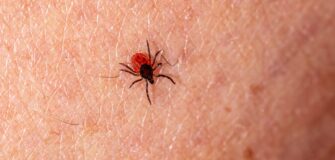
Tick prevention for dogs risks and safe practices

Share

Tick prevention for dogs risks and safe practices
Introduction
Tick prevention for dogs risks and safe practices is an important topic for all dog owners, whether you have a playful puppy, an active adult dog, or a senior companion. Ticks can carry diseases that affect your pet’s health, so taking steps to reduce their risk is a key part of responsible pet care.
While preventive measures can significantly lower the chance of tick bites and related illnesses, they do not guarantee perfect health. It’s important to understand that no single approach is foolproof, and ongoing vigilance is necessary.
This information is intended to help you learn about safe practices to protect your dog from ticks. However, it does not replace professional veterinary advice. Every pet is unique, and the best prevention plan should be tailored by your veterinarian based on your dog’s lifestyle, health status, and local tick risks.
Remember, effective tick prevention involves:
- Regularly checking your dog for ticks, especially after outdoor activities
- Using safe and appropriate tick control methods recommended by your vet
- Maintaining your yard to reduce tick habitats
- Being aware of tick seasons and high-risk areas
Working closely with your veterinarian ensures your dog receives the safest and most effective care to reduce the risks associated with ticks.
Reviewed by SASI Vet Preventive Care Editorial Board.
Why preventive care matters
Tick prevention for dogs risks and safe practices play a crucial role in maintaining your pet’s long-term health. Ticks can carry diseases that may lead to serious health issues, so taking steps to prevent tick bites helps lower the chance of infection and complications.
By working with your veterinarian to develop a preventive care plan, you can:
- Reduce the risk of tick-borne illnesses such as Lyme disease and ehrlichiosis
- Improve your dog’s overall quality of life by avoiding discomfort and potential chronic health problems
- Minimize the need for emergency veterinary visits related to tick infestations or infections
- Support early detection and treatment if ticks are found despite preventive measures
Preventive care is not just about avoiding ticks; it’s about protecting your dog’s well-being in a safe and effective way. Always consult your veterinarian to create a tailored plan that suits your dog’s lifestyle and health needs. This approach ensures the best protection while keeping your pet safe from any risks associated with tick prevention products.
How this preventive measure works
Tick prevention for dogs risks and safe practices involve reducing your pet’s chance of encountering ticks and managing any ticks that do attach quickly and safely. The goal is to protect your dog from tick-borne illnesses by interrupting the tick’s ability to latch on, feed, and transmit diseases.
Preventive measures typically work by:
- Repelling ticks before they can attach to your dog’s skin.
- Killing ticks shortly after they attach, limiting the time they can transmit infections.
- Regularly checking your dog for ticks and removing any found promptly and properly.
- Maintaining your yard and outdoor spaces to reduce tick habitats.
These approaches often combine topical treatments, collars, or oral options, but the best choice depends on your dog’s health, lifestyle, and local tick risks. Because every dog and environment is different, it’s important to work with your veterinarian to develop a safe and effective tick prevention plan tailored to your pet’s needs.
Which pets need it most
Tick prevention for dogs risks and safe practices are important considerations for many pet owners. While ticks can affect various animals, dogs are particularly vulnerable due to their outdoor activities and natural curiosity. However, not all dogs face the same level of risk.
Pets that may benefit most from tick prevention include:
- Dogs living in or near wooded, grassy, or rural areas where ticks are commonly found.
- Dogs that spend a lot of time outdoors, such as hiking, camping, or frequent walks in natural settings.
- Dogs of all ages, though puppies and older dogs with weaker immune systems may require extra attention.
- Dogs with existing health conditions that could be complicated by tick-borne illnesses.
- Pets in regions with known tick populations, including parts of Canada where ticks are active seasonally.
While cats and other pets can also be exposed to ticks, dogs often face higher risks due to their behaviour and environments. It’s essential to work with a veterinarian to develop a safe, effective tick prevention plan tailored to your dog’s specific needs, lifestyle, and health status. This ensures the best protection while minimising any risks associated with preventive measures.
What pet owners should look out for
When it comes to tick prevention for dogs risks and safe practices, being attentive to your dog’s behaviour and physical condition is key. Regularly checking your dog for ticks and any unusual signs can help you catch potential issues early and ensure your preventive care plan is effective.
Here are some signs and changes to watch for at home:
- Visible ticks: Check common tick hiding spots such as around the ears, neck, under the collar, between toes, and under the tail.
- Excessive scratching or biting: Persistent itching or discomfort may indicate tick bites or skin irritation.
- Redness or swelling: Look for any bumps, redness, or inflammation on the skin that could suggest a tick bite or infection.
- Changes in behaviour: Lethargy, loss of appetite, or unusual tiredness might signal that your dog is unwell.
- Unexplained lameness or stiffness: Joint pain can sometimes be related to tick-borne illnesses.
If you notice any of these signs or if you find ticks despite preventive measures, it’s important to consult your veterinarian. They can help adjust your dog’s tick prevention plan safely and effectively. Remember, every dog’s needs are unique, so working closely with your vet ensures the best protection for your furry friend.
Role of the veterinarian
Your veterinarian plays a central role in protecting your dog’s health, especially when it comes to tick prevention for dogs risks and safe practices. They work with you to create a personalised preventive care plan tailored to your dog’s lifestyle, environment, and health status.
During regular visits, your vet will:
- Perform thorough physical exams to check for any signs of ticks or related health issues.
- Recommend appropriate vaccination plans to support your dog’s immune system.
- Advise on safe and effective parasite control options, including tick prevention methods.
- Provide nutrition guidance to keep your dog healthy and resilient.
- Suggest screening tests when needed to detect potential problems early.
- Schedule follow-up visits to monitor your dog’s health and adjust care plans as necessary.
Preventive care is a partnership between you and your veterinarian. By working together, you can reduce the risks ticks pose and ensure your dog stays happy and healthy year-round. Always consult your vet before starting or changing any tick prevention or health care routine.
Safe home practices
When it comes to tick prevention for dogs risks and safe practices, your home care routine plays an important role in keeping your pet healthy and comfortable. Regularly checking your dog for ticks, especially after outdoor activities, is a simple and effective way to catch any hitchhikers early. Use your fingers to feel through the fur, paying close attention to areas like behind the ears, under the collar, and between the toes.
Maintaining a clean environment also helps reduce tick exposure. Keep your yard tidy by trimming grass and removing leaf litter where ticks may hide. Bringing your dog indoors after walks and wiping their paws can further lower the chance of ticks entering your home.
In addition to tick checks, supporting your dog’s overall wellness is key. Regular brushing not only keeps their coat healthy but also gives you a chance to spot any unusual bumps or parasites. Monitoring your dog’s weight and providing mental enrichment through play and training contribute to a strong immune system, which supports natural defence against parasites.
Remember, any preventive care plan, including tick prevention, should be developed in partnership with your veterinarian. They can recommend safe and effective strategies tailored to your dog’s specific needs and lifestyle.
Common myths and misunderstandings
When it comes to tick prevention for dogs risks and safe practices, there are several myths that can cause confusion. It’s important to rely on evidence-informed veterinary advice to keep your dog safe and healthy.
One common misconception is that ticks only live in tall grass or forests. In reality, ticks can be found in many environments, including urban parks and gardens. Regular checks and preventive care remain important regardless of where you live.
Another myth is that natural remedies alone are enough to prevent ticks. While some natural products may help, they are not a substitute for veterinary-approved preventive measures. Always discuss options with your veterinarian to find the safest and most effective approach for your dog.
Some people believe that only outdoor dogs need tick prevention. However, ticks can hitch a ride indoors on clothing or other pets, so indoor dogs may also be at risk, especially if they spend time near tick habitats.
Remember, every dog is unique. Your veterinarian can help create a tick prevention plan tailored to your dog’s lifestyle, health, and local risks. This ensures you are using safe practices that protect your furry friend without unnecessary worry.
Life-stage considerations
Tick prevention for dogs risks and safe practices can vary depending on your pet’s life stage. Puppies, adult dogs, and seniors each have unique needs that influence the best approach to keeping ticks at bay.
Puppies: Young dogs may be more sensitive to certain tick prevention products. Their developing immune systems and smaller size mean it’s especially important to consult your veterinarian before starting any tick control measures.
Adult dogs: Most adult dogs tolerate a wide range of tick prevention options, but factors like activity level, environment, and health status still play a role in choosing the safest and most effective method.
Seniors: Older dogs may have underlying health conditions or be on medications that affect which tick prevention strategies are safest. Regular veterinary check-ups help ensure their preventive care plan remains appropriate as they age.
Regardless of age, always work with your veterinarian to develop a tick prevention plan tailored to your dog’s specific needs. This approach helps reduce risks and keeps your furry friend protected throughout their life.
FAQs
What are the risks of ticks for my dog?
Ticks can carry diseases that affect your dog’s health, such as Lyme disease and ehrlichiosis. They can also cause irritation, allergic reactions, or infections at the bite site. Early prevention helps reduce these risks.
How can I safely prevent ticks on my dog?
Safe tick prevention includes regular checks, keeping your yard tidy, and using veterinarian-recommended products. These may include topical treatments, collars, or oral options. Always discuss the best choice for your dog with your vet.
Can I remove a tick myself if I find one on my dog?
Yes, you can carefully remove a tick using fine-tipped tweezers. Grasp the tick close to the skin and pull steadily without twisting. Clean the area afterward and monitor your dog for any signs of illness. Contact your vet if you have concerns.
Are natural or home remedies effective for tick prevention?
Some natural remedies may help, but they are generally less reliable than veterinary-approved products. It’s important to consult your veterinarian before trying any alternative methods to ensure your dog’s safety.
How often should I check my dog for ticks?
Check your dog daily, especially after outdoor activities in wooded or grassy areas. Regular checks are a key part of tick prevention for dogs risks and safe practices, helping you catch ticks early and protect your pet’s health.
Summary
Tick prevention for dogs risks and safe practices are essential topics for every dog owner. Preventive care helps reduce the chance of tick-borne illnesses, protects your dog’s comfort, and supports overall health. While no method is 100% effective, combining safe practices with regular veterinary check-ups offers the best protection.
Key benefits of preventive care include:
- Lower risk of tick attachment and disease transmission
- Early detection of ticks and related health issues
- Peace of mind for you and a healthier life for your dog
It’s important to have realistic expectations and understand that tick prevention is an ongoing effort. Regular visits to your veterinarian allow for tailored advice and adjustments to your dog’s prevention plan based on lifestyle, environment, and health status.
Open communication with your veterinary team ensures you can discuss any concerns or changes in your dog’s health promptly. Always work with your veterinarian to create a safe, effective tick prevention strategy that suits your dog’s unique needs.
- Canadian Veterinary Medical Association (CVMA)
- American Veterinary Medical Association (AVMA)
- World Small Animal Veterinary Association (WSAVA)
- Royal Society for the Prevention of Cruelty to Animals (RSPCA)
- Ontario Veterinary College, University of Guelph
Disclaimer: This article provides general information about preventive care for pets and does not replace professional veterinary advice. Always talk to a licensed veterinarian about your pet’s specific needs.