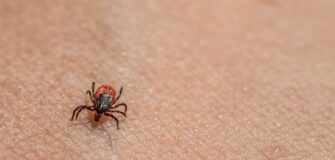
Ticks and Lyme disease in dogs home care and when it is an emergency

Share

ticks and Lyme disease in dogs home care and when it is an emergency
Introduction
Ticks and Lyme disease in dogs home care and when it is an emergency are important topics for pet owners to understand. Ticks are small parasites that can attach to both dogs and cats, feeding on their blood. While not all ticks carry diseases, some can transmit Lyme disease, which may cause serious health issues in dogs if left untreated.
Controlling ticks is essential for your pet’s comfort and overall health. It also helps reduce the risk of Lyme disease, which can sometimes affect humans as well. Regular tick prevention and prompt removal of ticks can make a big difference in keeping your pet safe.
This information is intended to help you recognise the importance of tick control and understand when to seek veterinary care. It does not replace professional advice or diagnosis. Always work with your veterinarian to develop a parasite control plan tailored to your pet’s needs.
Reviewed by SASI Vet Parasite Editorial Board.
What this parasite is
Ticks are small, spider-like parasites that feed on the blood of animals, including dogs. They are external parasites, meaning they live on the outside of your pet’s body. Ticks attach themselves firmly to the skin, often hiding in areas with less fur such as around the ears, neck, and between the toes.
Ticks survive by feeding on your dog’s blood, which provides them with the nutrients they need to grow and reproduce. They can remain attached for several days if not removed, gradually becoming larger as they fill with blood.
One important concern with ticks is their ability to transmit Lyme disease, a bacterial infection that can affect dogs’ joints, kidneys, and other organs. Because of this risk, it’s essential to have a parasite control plan tailored to your dog’s needs, created in partnership with your veterinarian.
Remember, while ticks are common in many areas, regular checks and prompt removal can help reduce the chance of disease. If you notice any unusual signs or suspect your dog has been bitten by a tick, contact your veterinarian for advice rather than trying home treatments alone.
How pets become infected or exposed
Ticks are common parasites that can carry Lyme disease, and dogs often become exposed during everyday outdoor activities. Understanding how ticks attach and transmit infections helps pet owners take effective precautions.
Pets typically pick up ticks from:
- Wooded or grassy areas where ticks thrive
- Contact with wildlife such as deer, rodents, or birds that carry ticks
- Other animals, including dogs and cats, that have ticks on their fur
- Contaminated surfaces like leaf litter or tall grass in yards or parks
Risk factors that increase the chance of tick exposure and Lyme disease include:
- Regular outdoor access, especially in rural or suburban areas
- Frequent contact with other animals or wildlife
- Lack of consistent parasite prevention measures recommended by a veterinarian
While ticks can be found in many environments, not all ticks carry Lyme disease. A veterinarian can help create a parasite control plan tailored to your pet’s lifestyle and local risks. Prompt tick checks after outdoor time and regular parasite prevention are key to reducing exposure and keeping your dog safe.
Typical signs and symptoms
Ticks and Lyme disease in dogs can present with a variety of signs that pet owners might notice at home. Often, the first indication is a visible tick attached to the skin, especially in areas like the ears, neck, or between the toes. However, some infections may be silent initially, showing subtle or no symptoms for days or even weeks.
Common signs to watch for include:
- Redness, swelling, or irritation at the site of a tick bite
- Limping or stiffness, which may come and go
- Fatigue or reluctance to play and exercise
- Loss of appetite or mild fever
- Swollen lymph nodes
Because Lyme disease can affect internal organs, symptoms might also include changes in behaviour or general discomfort that are less obvious. It’s important to remember that these signs can be caused by many conditions, not just ticks or Lyme disease.
If you notice any unusual signs or suspect your dog has been exposed to ticks, contact your veterinarian promptly. They can help develop a safe and effective parasite control plan tailored to your pet’s needs.
When it may be an emergency
Ticks and Lyme disease in dogs home care is important, but there are times when urgent veterinary attention is needed. While many dogs recover well with prompt treatment, certain signs can indicate a serious problem requiring immediate care.
If your dog shows any of the following symptoms, contact your veterinarian or emergency clinic right away:
- Severe lethargy or weakness that worsens quickly
- Difficulty breathing or rapid breathing
- Pale or bluish gums, which may suggest blood loss or poor oxygenation
- Heavy vomiting or diarrhea, especially if persistent
- Collapse or inability to stand
- Signs of severe blood loss or anaemia, such as weakness or fainting
These signs could indicate complications from tick-borne infections or other serious health issues. Remember, parasite control plans should always be developed with your veterinarian to keep your dog safe and healthy. Never delay seeking professional care if you suspect an emergency.
How veterinarians diagnose parasite problems
If you suspect your dog may have ticks and Lyme disease or other parasite issues, a veterinarian will perform a thorough evaluation to determine the cause. This process helps ensure your pet receives the right care and a tailored parasite control plan.
Diagnosis typically begins with a detailed physical examination. The vet will check your dog’s skin and coat for ticks, redness, swelling, or other signs of irritation. They may also look for symptoms like fever, lameness, or lethargy that can be associated with Lyme disease.
Additional diagnostic tools may include:
- Skin scrapings: To identify mites or other external parasites.
- Fecal tests: To detect intestinal parasites such as worms or protozoa.
- Blood tests: To check for infections, immune response, or specific antibodies related to Lyme disease.
- Imaging: In some cases, X-rays or ultrasounds may be used to assess internal organs or joints.
These tests provide important information but are interpreted by your veterinarian in the context of your dog’s overall health and history. Remember, parasite control and treatment should always be guided by a licensed veterinarian to keep your pet safe and healthy.
General treatment approaches
When it comes to ticks and Lyme disease in dogs home care and when it is an emergency, veterinarians use a variety of treatment strategies tailored to each pet’s needs. It’s important to remember that only a licensed veterinarian can determine the best approach based on your dog’s health status and risk factors.
Common treatment components may include:
- Prescription parasite control products: These help eliminate ticks and reduce the risk of Lyme disease transmission. The choice of product and duration of use depend on your dog’s specific situation.
- Supportive care: If Lyme disease is diagnosed, supportive treatments such as anti-inflammatory medications or pain relief may be recommended to help your dog recover comfortably.
- Follow-up testing: Monitoring your dog’s response to treatment and checking for any ongoing infection is often part of the care plan.
Home care plays an important role in preventing tick exposure, but it should never replace veterinary evaluation and treatment. Always consult your veterinarian promptly if you suspect your dog has been exposed to ticks or shows signs of illness. Together, you can develop a safe and effective parasite control plan tailored to your dog’s needs.
Home care and cleaning the environment
When managing ticks and Lyme disease in dogs, home care plays an important role alongside veterinary treatment. Keeping your pet’s environment clean helps reduce the risk of re-infestation and supports their recovery.
Here are some safe, general steps you can take at home:
- Wash bedding regularly: Use hot water to clean your dog’s bedding and any blankets they use. This helps remove ticks and their eggs.
- Vacuum frequently: Vacuum floors, carpets, and furniture to pick up ticks and larvae that may be hiding in your home.
- Clean litter boxes and pet areas: For multi-pet households, keep litter boxes and feeding areas clean to reduce parasite risks.
- Check other pets: Examine all pets in the household for ticks, as they can easily spread between animals.
- Follow your veterinarian’s advice: Always adhere to the parasite control plan recommended by your vet. Avoid using harsh chemicals or human products without veterinary guidance.
Remember, parasite control plans are tailored by your veterinarian to suit your dog’s specific needs. Home care supports these efforts but does not replace professional treatment or advice.
Preventing future infestations
Keeping your dog safe from ticks and Lyme disease in dogs home care and when it is an emergency starts with consistent prevention. Protecting your pet involves more than just treating a single tick bite-it requires an ongoing approach tailored to your dog’s lifestyle and environment.
Here are key strategies to help prevent future tick infestations:
- Regular veterinary checkups: Routine visits allow your veterinarian to assess your dog’s risk and recommend appropriate parasite prevention plans.
- Use of parasite prevention products: Your vet can suggest safe and effective products designed to repel or kill ticks before they attach.
- Environmental control: Keep your yard tidy by mowing grass regularly, removing leaf litter, and creating tick-safe zones where your dog plays.
- Routine monitoring: Check your dog’s coat daily, especially after outdoor activities, to find and remove ticks promptly.
- Safe outdoor habits: Avoid walking in tall grasses or dense woods where ticks are common, and stick to clear trails when possible.
Remember, parasite control is a partnership between you and your veterinarian. Together, you can develop a plan that keeps your dog healthy and reduces the risk of tick-borne illnesses over time.
Risks to other pets and people
Ticks and Lyme disease in dogs home care and when it is an emergency are important topics because ticks can affect more than just one pet. Ticks may attach to multiple animals in the same household, increasing the chance of spreading infections like Lyme disease. While dogs are the most common pets affected, cats and other animals can also carry ticks.
Ticks can occasionally pose a risk to people, especially if they are in close contact with pets that have ticks. However, the risk of direct transmission of Lyme disease from pets to humans is very low. Most human infections come from ticks in the environment rather than from pets themselves.
If you find ticks on your pet or are concerned about Lyme disease, consider these steps:
- Check all pets regularly for ticks, especially after outdoor activities.
- Remove ticks promptly and safely using proper techniques.
- Maintain a tick prevention plan developed with your veterinarian.
- Consult your veterinarian about any signs of illness in your pets.
- If you or a family member develop symptoms after a tick bite, speak with a physician promptly.
Always discuss any concerns about parasite risks with your veterinarian or healthcare provider to ensure the best care for your pets and family.
FAQs
What should I do if I find a tick on my dog?
Carefully remove the tick as soon as possible using fine-tipped tweezers or a tick removal tool. Grasp the tick close to your dog’s skin and pull upward with steady, even pressure. Avoid twisting or crushing the tick. After removal, clean the area with mild soap and water. Monitor your dog for any signs of illness and contact your veterinarian for advice.
How can I help prevent ticks and Lyme disease in dogs?
Preventing tick bites is key to reducing the risk of Lyme disease. Your veterinarian can help create a parasite control plan that may include:
- Regular use of veterinarian-recommended tick preventatives
- Checking your dog for ticks after outdoor activities
- Avoiding areas with high tick populations, such as tall grass and dense woods
- Keeping your yard well-maintained to reduce tick habitat
When should I consider Lyme disease an emergency?
If your dog shows sudden signs such as high fever, severe lameness, swelling of joints, loss of appetite, or lethargy, seek veterinary care promptly. Early treatment improves outcomes and helps prevent complications.
Can I treat Lyme disease at home?
Lyme disease requires veterinary diagnosis and treatment. Home care should never replace professional veterinary advice. Always consult your veterinarian if you suspect your dog has been exposed to ticks or shows symptoms.
Summary
Ticks and Lyme disease in dogs require careful attention at home and timely veterinary care when needed. Early recognition of symptoms such as lethargy, fever, or limping can make a significant difference in your dog’s recovery. If you notice any unusual signs or suspect your dog has been bitten by a tick, contact your veterinarian promptly.
Long-term prevention is key to keeping your dog safe from ticks and the diseases they carry. This involves regular tick checks, especially after outdoor activities, and working with your veterinarian to develop a parasite control plan tailored to your dog’s lifestyle and health needs.
Remember, while home care can support your dog’s comfort, it should never replace professional veterinary advice or treatment. Your veterinarian is the best resource for diagnosing, treating, and preventing tick-borne illnesses.
- Check your dog for ticks daily during tick season.
- Remove ticks carefully and promptly if found.
- Watch for signs of illness and seek veterinary care early.
- Follow a veterinarian-recommended parasite prevention plan.
With vigilance and partnership with your veterinarian, you can help protect your dog from the risks associated with ticks and Lyme disease, ensuring a healthy and happy life together.
- Canadian Veterinary Medical Association (CVMA) – www.canadianveterinarians.net
- American Veterinary Medical Association (AVMA) – www.avma.org
- World Small Animal Veterinary Association (WSAVA) – www.wsava.org
- Centers for Disease Control and Prevention (CDC) – Lyme Disease – www.cdc.gov/lyme
- Ontario Ministry of Health – Lyme Disease Information – www.ontario.ca/page/lyme-disease
Disclaimer: This article provides general information about parasites and parasite prevention for pets and does not replace professional veterinary advice. Always talk to a licensed veterinarian about your pet’s specific situation.