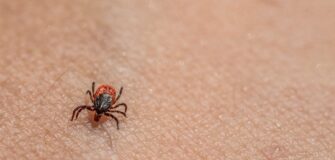
Ticks in wooded areas and dogs home care and when it is an emergency

Share

ticks in wooded areas and dogs home care and when it is an emergency
Introduction
Ticks in wooded areas can pose a risk to dogs, especially those who enjoy outdoor adventures. These tiny parasites attach to your pet’s skin and feed on their blood, which can cause discomfort and sometimes lead to serious health issues. While ticks primarily affect dogs, cats can also be at risk, so understanding how to protect your pets is important for their comfort and well-being.
Parasite control matters not only for your pet’s health but also for your family’s safety. Some ticks carry diseases that can affect both animals and humans. Regular prevention and careful monitoring after outdoor activities help reduce these risks.
This information is meant to help you understand the basics of ticks in wooded areas and dogs home care, including when to seek emergency veterinary attention. It does not replace professional veterinary advice or diagnosis. Always work with your veterinarian to develop a parasite control plan tailored to your pet’s needs and lifestyle.
Reviewed by SASI Vet Parasite Editorial Board.
What this parasite is
Ticks are small, spider-like parasites commonly found in wooded areas. They attach themselves to dogs by biting into the skin and feeding on their blood. This feeding process allows ticks to survive and grow, but it can also expose pets to various health risks.
Ticks prefer warm, moist environments and often hide in tall grass, bushes, or leaf litter where dogs may roam during walks or playtime. Once on a dog, ticks can remain attached for several days if not removed, gradually becoming larger as they feed.
Understanding ticks in wooded areas and dogs home care is important because these parasites can carry diseases that affect your pet’s health. While ticks are external parasites, they can sometimes be difficult to spot due to their small size, especially in the early stages of attachment.
Key points about ticks:
- They are external parasites that feed on blood.
- Commonly found in wooded or grassy areas.
- Attach to dogs by biting into the skin.
- Can carry diseases that require veterinary attention.
Always work with your veterinarian to develop a safe and effective parasite control plan tailored to your dog’s lifestyle and environment. Regular checks after outdoor activities and prompt veterinary advice are essential for keeping your pet healthy and comfortable.
How pets become infected or exposed
Ticks in wooded areas and dogs home care require careful attention because ticks are commonly found in environments where wildlife and vegetation are abundant. Pets can become exposed to ticks during outdoor activities, especially in wooded or grassy areas where ticks thrive.
Common ways pets pick up ticks include:
- Spending time in wooded or brushy areas with tall grass
- Contact with other animals that carry ticks, such as wildlife or other pets
- Walking through leaf litter, shrubs, or along trails where ticks are present
- Visiting parks or yards that are not regularly maintained or treated for parasites
Risk factors that increase the chance of tick exposure include:
- Frequent outdoor access without protective measures
- Lack of regular parasite prevention recommended by a veterinarian
- Living in regions with high tick populations or during peak tick seasons
Because ticks can carry diseases, it’s important to work with your veterinarian to develop a parasite control plan tailored to your pet’s lifestyle and environment. Regular checks and preventive care help keep your pet safe and comfortable.
Typical signs and symptoms
When your dog spends time in wooded areas, ticks can pose a risk that requires careful home care and awareness of when it is an emergency. Often, the first sign of a tick is a small, dark spot attached to your dog’s skin. You might notice redness, swelling, or irritation around the bite site.
Other common signs to watch for include:
- Excessive scratching or licking
- Small scabs or bumps on the skin
- Hair loss near the bite area
- Lethargy or unusual tiredness
- Loss of appetite
- Fever or swollen lymph nodes
It’s important to remember that some tick-borne infections can be silent at first, showing subtle or no signs for days or even weeks. This makes regular tick checks and preventive care essential.
If you notice any sudden changes in your dog’s behaviour, difficulty walking, breathing problems, or persistent vomiting, these could be signs of a more serious reaction or infection. In such cases, seek veterinary care promptly.
Always work with your veterinarian to develop a parasite control plan tailored to your dog’s lifestyle and health needs. This ensures the safest and most effective protection against ticks and other parasites.
When it may be an emergency
Ticks in wooded areas and dogs home care often go hand in hand, but it’s important to know when a situation requires urgent veterinary attention. While many tick bites cause only mild irritation, some signs can indicate a serious problem that needs prompt care.
If your dog shows any of the following symptoms after a tick exposure, seek veterinary help immediately:
- Severe lethargy or weakness
- Difficulty breathing or rapid breathing
- Pale or bluish gums, which may suggest blood loss or anemia
- Heavy vomiting or diarrhea
- Collapse or inability to stand
- Signs of severe bleeding or swelling at the bite site
These signs could indicate complications such as tick-borne infections or severe allergic reactions. Remember, parasite control plans should always be developed with your veterinarian to keep your dog safe and healthy. Never rely on home treatments alone if your pet’s condition worsens or you notice any emergency signs.
How veterinarians diagnose parasite problems
If you suspect your dog has ticks in wooded areas or other parasite concerns, a veterinarian will perform a thorough evaluation to identify the issue. Early diagnosis helps ensure your pet receives appropriate care and prevents complications.
The diagnostic process often begins with a detailed physical exam, during which the veterinarian checks your dog’s skin, coat, and overall condition. They may look closely for ticks, bite marks, or signs of irritation.
Additional diagnostic tools can include:
- Skin scrapings: Collecting small samples from the skin to examine under a microscope for parasites or eggs.
- Fecal tests: Analysing stool samples to detect intestinal parasites.
- Blood tests: Checking for parasites that circulate in the bloodstream or cause changes in blood cells.
- Imaging: Using X-rays or ultrasound to assess internal organs if needed.
These tests help the veterinarian understand the type and extent of the parasite problem. It’s important to remember that parasite control plans are tailored specifically for your dog and developed in partnership with your veterinarian. Never attempt to diagnose or treat parasites at home without professional guidance, especially when dealing with ticks in wooded areas and dogs home care and when it is an emergency.
General treatment approaches
When dealing with ticks in wooded areas and dogs, home care is important but should always be complemented by veterinary guidance. If your dog has been exposed to ticks, a veterinarian will recommend the most appropriate treatment based on your pet’s health, the type of tick, and any symptoms present.
Common treatment strategies your veterinarian may use include:
- Prescription parasite control products designed to eliminate ticks safely and effectively.
- Supportive care to manage any symptoms or complications, such as inflammation or infection.
- Follow-up testing to ensure the tick-borne infection is cleared and to monitor your dog’s recovery.
It is important to remember that only a licensed veterinarian can select the right product and treatment protocol for your dog. Avoid using over-the-counter or home remedies without veterinary advice, as these may be ineffective or harmful.
Creating a parasite control plan tailored to your dog’s lifestyle and risk factors is the best way to protect them from ticks and related health issues. Always consult your veterinarian promptly if you suspect your dog has been bitten by a tick or shows unusual symptoms after outdoor activities.
Home care and cleaning the environment
When managing ticks in wooded areas and dogs, home care plays an important role in supporting your pet’s comfort and overall treatment plan. Always follow your veterinarian’s advice for parasite control, as they will tailor recommendations to your pet’s specific needs.
Here are some safe, general steps to help keep your home environment clean and reduce the risk of ticks and other parasites:
- Wash bedding regularly: Use hot water to clean your dog’s bedding and any blankets they use. This helps remove any ticks or eggs that may be present.
- Vacuum frequently: Vacuum floors, carpets, and furniture to pick up ticks, larvae, and eggs. Dispose of vacuum bags or empty canisters promptly and carefully.
- Clean litter boxes and pet areas: For multi-pet households, keep litter boxes and feeding areas clean to reduce parasite exposure.
- Check other pets: Examine all pets in the home regularly for ticks, especially after outdoor activities in wooded or grassy areas.
Remember, do not use harsh chemicals or human products on your pets without veterinary guidance. Parasite control plans are best created and monitored by your veterinarian to ensure safety and effectiveness.
Preventing future infestations
Ticks in wooded areas and dogs require ongoing attention to keep your pet safe and comfortable. Prevention is key, and working closely with your veterinarian helps create a parasite control plan tailored to your dog’s lifestyle and risk factors.
Here are some important strategies to reduce the chance of future tick infestations:
- Regular veterinary checkups: Routine exams allow your vet to check for ticks and other parasites, and update prevention plans as needed.
- Appropriate parasite prevention products: Use veterinarian-recommended products designed to protect against ticks. These are part of a comprehensive approach, not a one-time fix.
- Environmental control: Keep your yard tidy by trimming tall grass and removing leaf litter where ticks thrive. Consider creating barriers between wooded areas and play spaces.
- Routine monitoring: After outdoor activities, thoroughly check your dog’s coat and skin for ticks, especially around ears, neck, and paws.
- Safe outdoor habits: Avoid walking your dog through dense woods or tall grasses when possible, and stick to clear trails.
Remember, prevention is an ongoing process. If you ever find ticks on your dog or notice unusual symptoms, contact your veterinarian promptly for advice and care.
Risks to other pets and people
Ticks in wooded areas and dogs home care require careful attention because ticks can sometimes spread to other pets and, in rare cases, to people. While not all ticks carry diseases, some can transmit infections that affect both animals and humans.
Ticks may move between pets that spend time outdoors, especially in areas with tall grass or dense vegetation. It’s important to check all pets regularly for ticks and remove any you find promptly and safely.
Although tick-borne illnesses in humans are uncommon in many parts of Canada, they can occur. If you or a family member develop symptoms such as fever, rash, or unusual fatigue after a tick bite, it’s important to consult a physician promptly.
To reduce risks:
- Keep pets on veterinarian-recommended parasite prevention plans.
- Inspect pets thoroughly after outdoor activities, especially in wooded or grassy areas.
- Remove ticks carefully using proper tools and techniques.
- Maintain your yard to reduce tick habitats.
Always discuss any concerns about ticks and potential health risks with your veterinarian or physician. They can provide guidance tailored to your pets’ and family’s needs, ensuring safe and effective parasite control.
FAQs
What should I do if I find a tick on my dog after a walk in wooded areas?
Carefully remove the tick as soon as possible using fine-tipped tweezers. Grasp the tick close to your dog’s skin and pull upward with steady, even pressure. Avoid twisting or crushing the tick. After removal, clean the bite area and your hands with soap and water.
How can I help prevent ticks in wooded areas?
- Keep your dog on cleared paths and avoid tall grasses or dense brush.
- Check your dog thoroughly for ticks after outdoor activities.
- Discuss a tick prevention plan with your veterinarian tailored to your region and lifestyle.
When should I seek emergency veterinary care for a tick bite?
If your dog shows signs such as difficulty breathing, swelling of the face or neck, weakness, or collapse after a tick bite, seek veterinary care immediately. These could be signs of a severe allergic reaction or tick-borne illness.
Can I use home remedies to remove ticks or treat tick bites?
Home remedies are not recommended as they may cause harm or incomplete removal. Always use safe tick removal techniques and consult your veterinarian for advice on treatment and prevention.
Why is a veterinarian important in managing ticks in wooded areas and dogs home care?
Veterinarians provide expert guidance on effective tick prevention, safe removal, and monitoring for tick-borne diseases. They help create a parasite control plan that keeps your dog healthy and safe.
Summary
Ticks in wooded areas and dogs require careful attention to keep your pet safe and healthy. Early recognition of ticks and any unusual signs on your dog is essential. Prompt veterinary care is important if you notice symptoms such as lethargy, loss of appetite, fever, or lameness, as these may indicate a tick-borne illness.
Long-term prevention involves working closely with your veterinarian to develop a parasite control plan tailored to your dog’s lifestyle and environment. This plan may include regular tick checks, appropriate preventive products, and avoiding high-risk areas when possible.
Remember:
- Check your dog thoroughly after walks in wooded or grassy areas.
- Remove ticks carefully and seek veterinary advice if you are unsure.
- Watch for any changes in your dog’s behaviour or health following tick exposure.
- Maintain regular veterinary visits to update your parasite prevention strategy.
With vigilance and professional guidance, you can help protect your dog from the risks associated with ticks in wooded areas and dogs. Always consult your veterinarian for personalised advice and never rely solely on home treatments for tick-related concerns.
- Canadian Veterinary Medical Association (CVMA) – https://www.canadianveterinarians.net/
- American Veterinary Medical Association (AVMA) – https://www.avma.org/
- World Small Animal Veterinary Association (WSAVA) – https://www.wsava.org/
- Public Health Agency of Canada – https://www.canada.ca/en/public-health.html
- Ontario Veterinary College, University of Guelph – https://www.uoguelph.ca/ovc/
Disclaimer: This article provides general information about parasites and parasite prevention for pets and does not replace professional veterinary advice. Always talk to a licensed veterinarian about your pet’s specific situation.