Ticks on dogs detection risks and when to seek a vet

Share
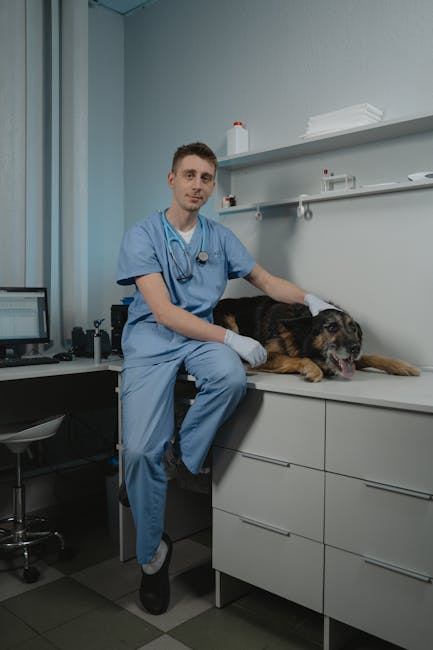
Ticks on dogs detection risks and when to seek a vet
Introduction
Ticks on dogs detection risks and when to seek a vet is an important topic for many pet owners. Ticks are small parasites that commonly affect dogs, but they can also be found on cats and other animals. These parasites attach to the skin and feed on blood, which may cause discomfort and health issues.
Understanding how to detect ticks early and recognising the potential risks is valuable for keeping pets healthy. Ticks are often associated with transmitting diseases that can affect a dog’s wellbeing. While not every tick bite leads to illness, prompt attention can reduce the chance of complications.
This article provides general information about ticks on dogs, including signs to watch for and when it may be necessary to seek veterinary care. It is important to remember that only a licensed veterinarian can diagnose and treat any health concerns related to ticks or other parasites. This information does not replace a veterinary visit but aims to support pet owners in being informed and prepared.
Reviewed by SASI Vet Editorial Board.
What this condition is
Ticks on dogs detection risks and when to seek a vet refers to the presence of ticks-small, blood-feeding parasites-that attach to a dog’s skin. These arachnids often latch onto areas with thinner fur or softer skin, such as around the ears, neck, and between the toes.
Ticks may cause irritation and discomfort, and they are often associated with the transmission of various diseases. The condition typically develops as ticks attach and feed over several hours to days, potentially leading to localized inflammation or more serious health issues if pathogens are transmitted.
How ticks affect dogs
- Ticks insert their mouthparts into the skin to feed on blood.
- This feeding can cause redness, swelling, or small wounds at the bite site.
- Some ticks carry bacteria, viruses, or parasites that may cause illness.
- Signs of tick attachment may be subtle and require careful inspection.
Because ticks can be difficult to detect and may transmit diseases, veterinarians may recommend regular checks and prompt removal if ticks are found. Only a licensed veterinarian can diagnose and treat any health issues related to ticks on dogs.
Common causes
Ticks on dogs detection risks and when to seek a vet are often linked to environmental and behavioural factors. Ticks are small parasites that attach to dogs to feed on their blood. They are commonly found in wooded, grassy, or brushy areas where they wait for a host to pass by.
Environmental risk factors
- Living in or frequenting areas with dense vegetation or leaf litter
- Warm and humid climates that support tick survival and reproduction
- Presence of wildlife such as deer, rodents, or birds that carry ticks
Dog-related risk factors
- Spending time outdoors, especially in tick-prone habitats
- Long or thick fur that may make tick detection more difficult
- Limited or inconsistent use of tick prevention products
While these factors are often associated with increased tick exposure, the exact risk can vary depending on location and season. Some ticks may carry diseases that can affect dogs, but not all ticks transmit infections. Veterinarians may recommend regular tick checks and preventive measures based on individual risk. Only a licensed veterinarian can diagnose and advise on appropriate treatment if ticks or related health issues are detected.
Typical signs and symptoms
Ticks on dogs detection risks and when to seek a vet often begins with observing changes in your pet’s behaviour or appearance. Many ticks attach themselves to the skin and may cause mild irritation, but some signs can indicate more serious issues.
Mild signs to watch for
- Small bumps or lumps on the skin where ticks may be attached
- Occasional scratching or licking at a specific spot
- Redness or slight swelling around the bite area
- Minor hair loss near the tick attachment site
Signs that may require veterinary attention
- Persistent scratching, biting, or discomfort
- Visible ticks that are engorged or difficult to remove
- Signs of infection such as pus, increased swelling, or foul odor
- Changes in appetite, energy level, or behaviour
- Fever, limping, or other systemic symptoms
Monitoring your dog closely and keeping notes on any changes can help your veterinarian assess the situation accurately. Remember, only a licensed veterinarian can diagnose and recommend appropriate treatment for tick-related issues.
When it is an emergency
Ticks on dogs detection risks and when to seek a vet are important to understand for timely care. While many tick bites cause mild irritation, some signs may indicate a serious problem requiring immediate veterinary attention.
Seek emergency care if your pet shows any of the following sudden or severe symptoms:
- Difficulty breathing or choking
- Collapse, weakness, or inability to stand
- Severe swelling, especially around the face or neck
- Rapidly spreading redness or swelling at the bite site
- Excessive bleeding or signs of shock (pale gums, rapid heartbeat)
- High fever or persistent vomiting and diarrhoea
- Seizures or sudden behavioural changes
These signs may be associated with allergic reactions, tick-borne infections, or other complications. Veterinarians may recommend urgent treatment to stabilise your pet and prevent further harm.
Always monitor your pet closely after finding a tick. If symptoms worsen quickly or new concerning signs appear, do not delay in seeking emergency veterinary care. Only a licensed veterinarian can diagnose and treat conditions related to ticks safely and effectively.
How veterinarians diagnose it
When it comes to ticks on dogs detection risks and when to seek a vet, veterinarians follow a systematic approach to identify the presence of ticks and any related health concerns. Diagnosis typically begins with a thorough history and physical examination.
History and physical exam
The veterinarian will ask about your dog’s recent activities, exposure to tick-prone areas, and any signs you may have noticed such as itching, redness, or lethargy. During the physical exam, the vet carefully inspects the dog’s skin and coat, paying close attention to common tick attachment sites like the ears, neck, and between the toes.
Common diagnostic tests
If ticks are found or suspected, additional tests may be recommended to assess your dog’s overall health and detect any tick-borne diseases. These tests can include:
- Blood work to evaluate organ function and check for infections
- Serologic or molecular tests to identify specific tick-borne pathogens
- Imaging studies, such as X-rays or ultrasound, if complications are suspected
It is important to remember that only a licensed veterinarian can diagnose and treat your pet. If you notice ticks on your dog or signs of illness, consult your veterinarian promptly for appropriate evaluation and care.
Treatment options
When addressing ticks on dogs detection risks and when to seek a vet, veterinarians may recommend a variety of treatment approaches tailored to the individual pet’s needs. It is important to remember that only a licensed veterinarian can determine the most appropriate plan based on the pet’s health status and the severity of the tick exposure.
Common treatment approaches
- Medications: Veterinarians may suggest topical or oral treatments designed to eliminate ticks and prevent future infestations. These medications vary in formulation and duration of action.
- Procedures: In some cases, manual removal of ticks by a professional is necessary to reduce the risk of disease transmission and complications.
- Dietary changes: While not a primary treatment, nutritional support may be advised to help strengthen the pet’s immune system during recovery.
- Home care: Regular inspection and grooming can help detect ticks early. Veterinarians may also provide guidance on environmental control to reduce tick exposure.
Because ticks can carry diseases that may cause serious health issues, prompt veterinary evaluation is often recommended if a tick is found or if the pet shows signs of illness. Only a licensed veterinarian can diagnose tick-borne diseases and recommend safe and effective treatments.
Home care and monitoring
After a veterinary visit concerning ticks on dogs detection risks and when to seek a vet, careful home monitoring is important. While treatment decisions should always be guided by your veterinarian, you can help support your pet’s comfort and watch for any changes that may require further attention.
Monitoring your dog at home
- Check your dog’s skin regularly for any new ticks or unusual bumps, especially in common tick habitats like ears, neck, and between toes.
- Observe your dog’s behaviour and appetite; lethargy, loss of appetite, or unusual signs may indicate complications.
- Note any swelling, redness, or signs of irritation around previous tick bite sites.
- Keep a record of any symptoms or changes to share with your veterinarian during follow-up visits.
Comfort measures
Providing a calm, clean resting area and ensuring your dog stays hydrated can support recovery. Avoid applying any topical treatments or medications unless specifically directed by your veterinarian.
When to contact your veterinarian
Contact your veterinary clinic promptly if your dog develops a fever, shows signs of pain, swelling worsens, or if you notice any new or worsening symptoms. Only a licensed veterinarian can diagnose and recommend appropriate treatment based on your dog’s condition.
Prevention and long-term management
Ticks on dogs detection risks and when to seek a vet are important considerations for pet owners aiming to protect their animals from tick-borne illnesses. While it is not possible to eliminate all risks, several strategies may help reduce the likelihood of tick attachment and related health issues.
Reducing risk
- Regularly check your dog for ticks, especially after outdoor activities in wooded or grassy areas.
- Use veterinarian-recommended parasite prevention products, which may include topical treatments, collars, or oral medications.
- Maintain your dog’s healthy weight and balanced diet to support immune function.
- Keep your yard tidy by trimming grass and removing leaf litter to reduce tick habitats.
- Schedule routine veterinary check-ups to monitor your dog’s overall health and promptly address any concerns.
Long-term management
If a dog develops a chronic condition related to tick exposure, veterinarians may recommend ongoing monitoring and supportive care tailored to the specific illness. This could involve regular blood tests, symptom management, and adjustments to parasite prevention protocols. Because tick-borne diseases can vary widely in severity and duration, only a licensed veterinarian can provide an accurate diagnosis and appropriate treatment plan.
Living with a pet with this condition
Managing a pet with ticks on dogs detection risks and when to seek a vet involves careful observation and ongoing care. While ticks may cause discomfort and transmit diseases, many pets live well with appropriate support and preventive measures.
Quality of life and lifestyle adjustments
Owners may need to make some lifestyle changes to reduce tick exposure, such as avoiding tall grasses or wooded areas during peak tick seasons. Regular grooming and tick checks can help detect ticks early, which is important for preventing complications.
Follow-up visits and veterinary communication
Routine follow-up visits with a licensed veterinarian are important to monitor your pet’s health and address any concerns promptly. Veterinarians may recommend specific preventive treatments or additional testing based on your pet’s risk factors and environment.
Supporting your pet day-to-day
- Perform daily tick checks, especially after outdoor activities.
- Maintain a clean living environment to reduce tick habitats.
- Observe your pet for signs of discomfort, lethargy, or unusual behaviour.
- Keep a record of any changes and discuss them with your veterinarian.
Realistic expectations and ongoing communication with your veterinary team are key to ensuring your pet’s well-being while managing the risks associated with ticks.
FAQs
How can I detect ticks on my dog?
Ticks are often found attached to areas with thin skin or less fur, such as around the ears, neck, under the collar, between the toes, and near the tail. Regularly checking these spots, especially after outdoor activities, may help in early detection.
What risks do ticks pose to dogs?
Ticks may cause irritation, redness, or swelling at the bite site. They are often associated with transmitting diseases such as Lyme disease and ehrlichiosis, which can affect your dog’s health. The severity of these risks varies depending on the tick species and geographic location.
When should I seek a vet for tick-related concerns?
If you find a tick on your dog, it is advisable to remove it promptly and monitor the area for signs of infection or unusual symptoms like lethargy, loss of appetite, or lameness. Veterinarians may recommend a check-up if symptoms develop or if you are unsure about proper tick removal.
Can I prevent ticks on my dog?
Veterinarians may recommend preventive measures such as tick control products and avoiding tick-infested areas. Regular grooming and tick checks are also important parts of prevention.
For any questions about ticks on dogs detection risks and when to seek a vet, always consult your licensed veterinarian for advice tailored to your pet’s specific needs.
Summary
Ticks on dogs detection risks and when to seek a vet is an important aspect of pet health. Early recognition of ticks can help reduce the chance of disease transmission and complications. Ticks are often found in areas with tall grass or wooded environments, and regular checks after outdoor activities are advisable.
Key points to consider include:
- Ticks may cause irritation, redness, or swelling at the bite site.
- Some ticks carry pathogens that can lead to serious illnesses in dogs.
- Not all ticks are easily visible, so careful inspection is necessary.
- Veterinarians may recommend preventive measures based on your dog’s lifestyle and risk factors.
If you find a tick on your dog, it is often best to consult a licensed veterinarian promptly. They can safely remove the tick and assess whether further treatment or monitoring is needed. Timely veterinary care can improve outcomes and provide peace of mind.
Remember, while ticks are common, with attentive care and professional guidance, you can help protect your dog’s health effectively.
- American Veterinary Medical Association (AVMA) – Ticks
- Canadian Veterinary Medical Association (CVMA) – Ticks and Tick-Borne Diseases
- World Small Animal Veterinary Association (WSAVA) – Tick-Borne Diseases Guidelines
- RSPCA – Ticks on Dogs
- UC Davis Veterinary Medical Teaching Hospital – Ticks
Disclaimer: This article provides general information about pet health and does not replace professional veterinary advice. Always talk to a licensed veterinarian about your pet’s specific situation.