Urination discomfort dog

Share
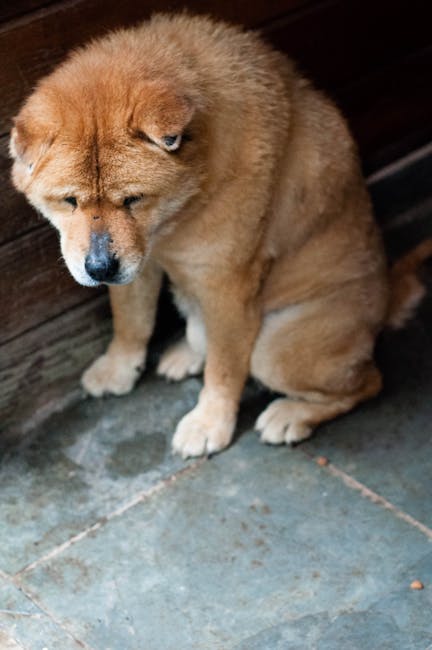
urination discomfort dog
Introduction
Urination discomfort dog owners might notice can be a sign of an underlying health issue. This symptom can affect both dogs and cats, and it often causes pets to strain, lick their genital area, or urinate more frequently. Changes in how a pet urinates or the appearance of their urine may indicate problems that affect their comfort and overall well-being.
It is important to pay attention to symptoms such as difficulty urinating, blood in the urine, or unusual odors. These changes could be caused by infections, inflammation, or other medical conditions that require veterinary evaluation. Early recognition and care can help prevent more serious complications.
Please remember that this information is intended to help you understand possible reasons for urination discomfort dog or cat may experience. It does not replace professional veterinary advice. If your pet shows any signs of urinary discomfort, it is best to consult a licensed veterinarian who can provide a thorough examination and personalized recommendations.
Reviewed by the SASI Vet Urinary Symptoms Editorial Board.
How this urinary symptom typically appears
When a dog experiences urination discomfort, owners may notice several signs at home. These signs can vary from pet to pet, so it’s important to observe your dog closely and consider any changes in their usual bathroom habits.
Common signs you might see
- Straining or difficulty when trying to urinate
- Frequent trips outside or to the litter box with little urine produced
- Small puddles of urine instead of a normal stream
- Accidents or urinating in unusual places inside the house
- Urine that appears blood-tinged or darker than usual
- Whining, crying, or signs of pain while urinating
- Strong or unusual urine odor
Each dog may show different combinations of these signs, and some symptoms might be subtle at first. If you notice your dog showing any signs of urination discomfort dog, it’s a good idea to reach out to a veterinarian. They can help determine the cause and recommend the best care for your pet’s health and comfort.
Common possible causes
Urination discomfort dog may experience can arise from a variety of underlying issues. Understanding these common causes can help pet owners recognize when veterinary advice is needed.
Urinary Tract Infections and Bladder Irritation
Infections in the urinary tract or irritation of the bladder lining might cause discomfort during urination. These conditions often lead to frequent attempts to urinate, straining, or signs of pain.
Stress-Related Cystitis
Some dogs may develop inflammation of the bladder due to stress or anxiety. This condition can mimic infection symptoms but usually does not involve bacteria. It may come and go depending on the pet’s environment and emotional state.
Incontinence and Age-Related Changes
Older dogs might experience simple incontinence, which can cause leakage or discomfort. This is often related to changes in muscle tone or hormone levels rather than infection or injury.
Increased Water Intake
Drinking more water due to other health issues could lead to more frequent urination and possible discomfort. Conditions such as kidney problems or hormonal imbalances might contribute to this symptom.
Because many different triggers can cause urination discomfort dog owners notice, it is important to consult a veterinarian. A thorough examination and appropriate tests can help identify the exact cause and guide safe care.
Less common but important causes
In some cases, urination discomfort dog owners notice may be related to less common but more serious health issues. These conditions often require careful veterinary evaluation to identify and manage appropriately.
Urinary stones and urethral blockage
Urinary stones can form in the bladder or urinary tract, potentially causing pain or difficulty during urination. Urethral blockage, especially in male cats, is a critical condition where the flow of urine is partially or completely obstructed. Both situations might cause discomfort and need prompt veterinary attention.
Bladder tumours and kidney disease
Less commonly, bladder tumours or kidney disease could contribute to changes in urination habits or discomfort. These conditions may develop gradually and sometimes present with subtle signs that owners might notice.
Hormonal problems
Hormonal imbalances might also play a role in urinary symptoms. While less frequent, these issues can affect the urinary system and overall health.
If your pet shows signs of urination discomfort dog owners should be aware of, it is important to consult a veterinarian. A professional can perform the necessary tests to determine the cause and recommend appropriate care tailored to your pet’s needs.
When it may be an emergency
Urination discomfort dog owners notice can sometimes indicate a serious problem that requires urgent veterinary attention. Certain signs suggest your pet might be experiencing a Urinary blockage or another severe illness.
If your dog or cat is repeatedly straining to urinate but produces little or no urine, this could be a red flag. In male cats especially, the inability to pass urine is a medical emergency that needs prompt care.
Other urgent signs to watch for include:
- Severe pain or vocalizing when trying to urinate
- Vomiting or retching
- Collapse or weakness
- Extreme lethargy or unresponsiveness
- A swollen, firm abdomen
These symptoms might indicate a blockage or a serious underlying condition that could quickly become life-threatening. If you observe any of these signs, it is important to contact a veterinarian immediately for advice tailored to your pet’s situation.
How veterinarians evaluate urinary symptoms
When a dog shows signs of urination discomfort dog owners may notice, veterinarians begin by gathering a detailed medical history. This helps them understand the duration, frequency, and nature of the urinary issues. They also ask about any changes in behavior or other symptoms that might be related.
Physical examination and bladder assessment
The veterinarian will perform a thorough physical exam, including gently feeling the bladder to check for pain, size, or abnormalities. This hands-on approach provides important clues about the possible causes of urinary discomfort.
Laboratory tests
Urine tests are commonly used to detect infections, crystals, or other abnormalities. Blood tests might also be recommended to evaluate kidney function and overall health. These tests help provide a broader picture of the pet’s urinary system.
Imaging and further diagnostics
In some cases, imaging techniques such as x-rays or ultrasound may be used to look for bladder stones, tumors, or structural issues. If needed, a veterinarian might suggest additional specialist tests to better understand complex cases.
If your dog is experiencing urination discomfort dog owners should consult a licensed veterinarian promptly. Only a professional can provide personalized advice and appropriate care based on a complete evaluation.
What pet owners can monitor at home
When your dog shows signs of urination discomfort, dog owners can keep track of several details at home to help provide useful information to their veterinarian. Observing your pet’s urination habits may give clues about their urinary health.
Frequency and volume
Note how often your dog urinates throughout the day. Changes in frequency, such as urinating more or less often than usual, might be important. Also, try to observe if the volume of urine seems different, whether it’s more concentrated or diluted.
Appearance and odor
Look for any changes in the urine’s color, such as cloudiness or the presence of blood, which could appear as pink or red tints. Unusual or strong odors might also be a sign of an underlying issue.
Behavior and accidents
Watch for any accidents inside the house or reluctance to urinate in usual spots. Changes in behavior around the litter box or during outdoor bathroom breaks could indicate discomfort or other problems.
Additional observations
- Water intake: Increased or decreased drinking may be related to urinary symptoms.
- Straining or signs of pain during urination.
- Any licking of the genital area more than usual.
Writing down these observations can be very helpful when discussing your dog’s condition with a veterinarian. Always consult a licensed veterinary professional for advice tailored to your pet’s specific needs.
General home care guidance
If your dog is showing signs of urination discomfort dog, there are some general steps you can take at home to support their well-being. Providing a clean and easily accessible area for urination is important. For dogs that use indoor pads or litter boxes, keeping these areas fresh and tidy may help reduce stress and encourage regular elimination.
Ensuring your dog has constant access to fresh water is also beneficial. Staying well-hydrated might help maintain urinary tract health and reduce irritation. Additionally, minimizing stressful situations in your dog’s environment could support their overall comfort and urinary habits.
Helpful home care tips
- Keep urination areas clean and comfortable
- Provide fresh water throughout the day
- Maintain a calm and low-stress environment
- Follow any specific instructions given by your veterinarian
It is important to remember that if your dog appears to be in pain, has difficulty urinating, or shows signs of blockage, these situations require prompt veterinary attention. Home care measures may support comfort but do not replace professional diagnosis and treatment. Always consult your veterinarian for personalized advice tailored to your dog’s needs.
Supporting long-term urinary health
Maintaining your pet’s urinary health over time may help reduce episodes of urination discomfort dog owners sometimes notice. Regular veterinary checkups are important to monitor urinary function and catch any early signs of issues.
Diet and Weight Management
Feeding an appropriate diet as recommended by your veterinarian might support urinary tract health. Keeping your pet at a healthy weight could also reduce stress on the urinary system and improve overall well-being.
Hydration and Environment
Encouraging normal water intake is essential, as adequate hydration may help maintain urinary tract health. In multi-cat households, providing enough litter boxes can reduce stress and promote regular urination habits.
Stress Reduction
Managing stress in sensitive pets might prevent urinary problems linked to anxiety or behavioral changes. Creating a calm environment and monitoring your pet’s behavior can be beneficial.
If you notice signs of urination discomfort dog or cat owners should always consult a licensed veterinarian for personalized advice and appropriate care tailored to your pet’s needs.
FAQs
What should I do if my dog shows urination discomfort?
If your dog appears to have urination discomfort, it may indicate an underlying issue such as infection or irritation. Monitoring your pet closely and noting any additional symptoms can be helpful. It is important to consult a veterinarian promptly for a thorough evaluation and appropriate care.
Can stress affect my pet’s urinary health?
Stress might contribute to urinary problems in some dogs and cats by affecting their bladder function or behavior. While stress alone is unlikely to cause serious issues, it could worsen existing conditions. Discussing your pet’s environment and habits with a veterinarian can help identify potential stress-related factors.
When is blood in urine an emergency?
Blood in your pet’s urine could be a sign of infection, injury, or other medical concerns. If you notice large amounts of blood, difficulty urinating, or your pet seems in pain, it may be an emergency. Contact your veterinarian immediately to ensure your pet receives timely care.
How quickly should I see a vet for urination discomfort dog symptoms?
Any signs of urination discomfort dog symptoms should be evaluated by a veterinarian as soon as possible. Early assessment can help identify the cause and prevent complications. If symptoms worsen or your pet shows signs of distress, seek veterinary attention without delay.
Summary
Urinary symptoms in pets, such as urination discomfort dog owners might notice, can be an important sign of underlying health issues. These symptoms may indicate a variety of causes, ranging from infections and bladder stones to inflammation or other urinary tract problems.
Because the reasons behind urinary discomfort can vary widely, it is important to observe your pet carefully and share all relevant information with your veterinarian. Early evaluation can help identify the cause and guide appropriate care.
Why Urinary Symptoms Matter
- They may signal infections or blockages that need prompt attention.
- Some conditions could lead to more serious complications if left untreated.
- Understanding the symptom helps ensure your pet’s comfort and well-being.
If you notice signs of urination discomfort in your dog, it is best to consult a licensed veterinarian. They can perform the necessary examinations and recommend the safest options for diagnosis and management. Remember, timely veterinary care is key to helping your pet feel better and maintain good urinary health.
- Canadian Veterinary Medical Association
- American Veterinary Medical Association
- World Small Animal Veterinary Association
- University Veterinary Teaching Hospitals
- Royal Veterinary College
Disclaimer: This article provides general information about urinary symptoms in pets and does not replace professional veterinary advice. Always consult a licensed veterinarian regarding your pet’s specific condition.