Vaccination preparation for reactive or fearful dogs

Share
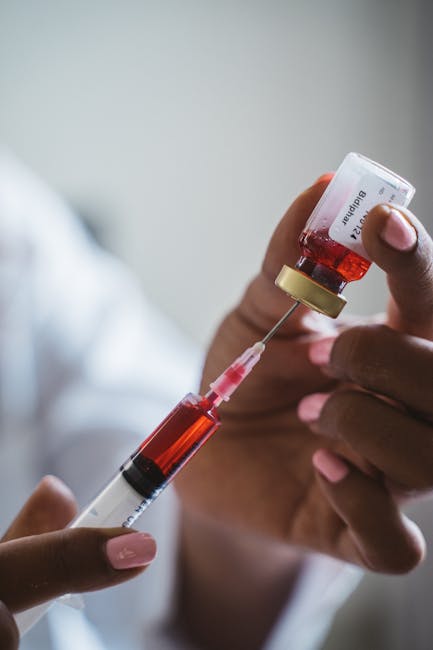
Vaccination preparation for reactive or fearful dogs
Introduction
Vaccination preparation for reactive or fearful dogs is an important topic for many pet owners. Whether you have a puppy just starting their vaccines, an adult dog who needs boosters, or a dog that becomes anxious or stressed during vet visits, understanding how to prepare can make the experience safer and less stressful for everyone.
Vaccination is a key part of preventive care that helps protect your dog from serious infectious diseases. This applies to all dogs, regardless of age or lifestyle, including those who may be more sensitive or reactive in new situations.
Every dog’s vaccination plan should be tailored by a licensed veterinarian, who will consider your dog’s health, environment, and behaviour. This article provides general information to help you feel more confident and prepared, but it does not replace professional veterinary advice or specific recommendations for your pet.
Reviewed by SASI Vet Vaccination Editorial Board.
What this vaccine protects against
Vaccination preparation for reactive or fearful dogs helps ensure your pet is protected against serious infectious diseases. Vaccines are designed to prevent illnesses such as parvovirus, distemper, adenovirus, and rabies, which can cause severe health problems or even be fatal if left untreated.
These diseases often spread through contact with other animals or contaminated environments. For example, parvovirus can cause severe vomiting and diarrhoea, leading to dehydration and potentially life-threatening complications. Distemper affects the respiratory, gastrointestinal, and nervous systems, while rabies is a fatal disease that can also affect humans.
Without vaccination, dogs are at higher risk of contracting these illnesses, which can result in costly treatments, prolonged recovery, or worse. Vaccines work by stimulating your dog’s immune system to recognise and fight these diseases before they cause harm.
Because reactive or fearful dogs may find veterinary visits stressful, careful vaccination preparation is important to make the experience as calm and safe as possible. Your veterinarian will tailor a vaccination plan that balances protection with your dog’s comfort and well-being.
Why this vaccine is important
Vaccination preparation for reactive or fearful dogs is an important step in ensuring your pet’s health and well-being. Vaccines recommended by veterinarians help protect dogs from serious illnesses that can cause severe symptoms or even be life-threatening.
Vaccines are often part of core or non-core schedules designed to:
- Reduce the risk of severe illness by building immunity
- Prevent outbreaks of contagious diseases within communities
- Protect vulnerable animals, including puppies, seniors, and those with weakened immune systems
For dogs that are reactive or fearful, careful preparation and handling during vaccination visits can make the experience less stressful. Your veterinarian will work with you to create a vaccination plan tailored to your dog’s needs and temperament, ensuring safety and comfort throughout the process.
Remember, vaccination is a key part of preventive care that supports your dog’s long-term health. Always consult your veterinarian to discuss the best approach for your reactive or fearful dog’s vaccination preparation and overall wellness.
Which pets typically need this vaccine
Vaccination preparation for reactive or fearful dogs is important for pets that may be more sensitive or anxious during veterinary visits. While this topic mainly concerns dogs, understanding which pets generally need vaccinations helps ensure all animals stay protected.
In general, puppies and kittens require a series of vaccinations as their immune systems develop. Adult dogs and cats also benefit from regular booster vaccines to maintain protection. The lifestyle and environment of your pet play a big role in determining their vaccination needs.
- Puppies and kittens: Often need initial vaccinations and may require special handling if they are fearful or reactive.
- Adult dogs and cats: Usually receive booster vaccines; those with anxiety may need tailored preparation.
- Indoor pets: May have lower exposure risk but still benefit from vaccination to prevent disease.
- Outdoor or high-risk environments: Pets that spend time outdoors, in dog parks, or boarding facilities often need more comprehensive vaccination coverage.
Because every pet is unique, your veterinarian will create a vaccination plan that considers your pet’s age, health, lifestyle, and temperament. This ensures the safest and most effective approach, especially for reactive or fearful dogs.
How veterinarians decide on a vaccination plan
When preparing for vaccination, especially for reactive or fearful dogs, veterinarians carefully tailor each plan to suit the individual pet. This personalised approach helps ensure the process is as safe and comfortable as possible while providing effective protection.
Several factors influence how a vaccination plan is developed, including:
- Age: Puppies, adult dogs, and seniors have different vaccination needs.
- Health status: existing health conditions or sensitivities may affect vaccine choices.
- Prior vaccines: Records of previous vaccinations help avoid unnecessary or repeated doses.
- Location: Regional risks for certain diseases guide vaccine selection.
- Lifestyle: Dogs’ activities and environments, such as frequent socialization or outdoor exposure, influence recommendations.
Veterinarians use their professional judgment to balance these factors and create a vaccination plan that supports your dog’s well-being. If your dog is reactive or fearful, your vet can also suggest strategies to reduce stress during visits and vaccinations.
Remember, vaccination preparation for reactive or fearful dogs is a collaborative process between you and your veterinarian. Always consult your vet to develop the best plan for your pet’s unique needs.
What owners can expect at a vaccination visit
When preparing for vaccination preparation for reactive or fearful dogs, it helps to know what typically happens during the appointment. Your veterinarian will begin with a brief physical exam to ensure your dog is healthy enough for vaccination. They may ask questions about your dog’s medical history, behaviour, and any previous vaccine reactions.
The vaccination itself is a quick process, usually involving a single injection. For dogs that are reactive or fearful, the veterinary team will take extra care to make the experience as calm and safe as possible. This might include gentle handling, treats, or breaks as needed.
After the injection, your dog will be monitored for a short time to watch for any immediate reactions. Mild side effects such as soreness at the injection site, slight lethargy, or decreased appetite can occur but typically resolve quickly.
Remember, vaccination plans are tailored by your veterinarian to suit your dog’s individual needs and health status. If you have concerns about your dog’s behaviour or past vaccine experiences, be sure to discuss them openly with your veterinary team before the appointment.
Common mild vaccine reactions
When preparing for vaccination preparation for reactive or fearful dogs, it’s helpful to know that mild reactions after vaccines are quite common and usually short-lived. These reactions are a normal sign that your dog’s immune system is responding to the vaccine.
Typical mild reactions may include:
- Slight soreness or swelling at the injection site
- Temporary tiredness or reduced activity
- Low-grade fever or mild discomfort
- Occasional mild sneezing or coughing if a nasal vaccine was given
Most dogs recover quickly without any treatment. You can monitor your dog at home by checking the injection site daily and observing their behaviour and appetite. If your dog seems uncomfortable, gentle rest and extra affection can help.
Contact your veterinary clinic if you notice any of the following:
- Swelling that worsens or spreads beyond the injection site
- Persistent vomiting, diarrhoea, or difficulty breathing
- Signs of severe allergic reaction such as facial swelling or collapse
- Any unusual behaviour that concerns you
Remember, vaccination plans are carefully created with your veterinarian to keep your dog safe and healthy. Always discuss any concerns or questions with your veterinary team before and after vaccination.
When to contact a veterinarian after vaccination
Vaccination preparation for reactive or fearful dogs includes knowing when to seek veterinary care after your pet’s vaccine. Most dogs tolerate vaccines well, but it’s important to watch for any unusual signs that may need prompt attention.
After vaccination, mild side effects like slight swelling at the injection site or temporary tiredness are common and usually resolve quickly. However, some reactions are uncommon but serious and require immediate veterinary help. Contact your veterinarian right away if your dog shows any of the following:
- Severe swelling or lumps that grow rapidly
- Repeated vomiting or diarrhoea
- Difficulty breathing, wheezing, or coughing
- Collapse, weakness, or unresponsiveness
- Excessive drooling or facial swelling
These signs could indicate an allergic reaction or other complications. Remember, vaccination plans are carefully created with your veterinarian to keep your dog safe and healthy. If you have any concerns after vaccination, don’t hesitate to reach out to your veterinary team for advice and support.
Long term preventive benefits
Vaccination preparation for reactive or fearful dogs is an important step in maintaining their health and well-being over time. Staying up to date on vaccinations helps protect your pet from serious contagious diseases that can spread within communities and households.
Regular vaccinations contribute to:
- Reducing the spread of infectious diseases among dogs and other animals
- Protecting at-risk pets, such as puppies, seniors, or those with weakened immune systems
- Supporting overall public health by limiting outbreaks of preventable illnesses
For dogs that are reactive or fearful, careful vaccination preparation can make the experience less stressful and safer for everyone involved. Your veterinarian will work with you to develop a vaccination plan tailored to your dog’s needs and temperament, ensuring the best possible protection while minimizing anxiety.
Remember, keeping vaccinations current is a key part of long-term preventive care. It helps your dog stay healthy and happy, while also contributing to a safer environment for all pets in your community.
FAQs
How can I prepare my reactive or fearful dog for vaccination?
Preparation is key to making vaccination a less stressful experience. You can:
- Visit your veterinarian beforehand to discuss your dog’s behaviour.
- Use calming techniques such as gentle petting or treats your dog enjoys.
- Consider short, positive visits to the clinic without vaccinations to build comfort.
Are there special vaccination considerations for fearful dogs?
Yes, veterinarians often tailor vaccination plans to suit your dog’s temperament. This may include:
- Scheduling appointments during quieter times.
- Using gentle handling and low-stress restraint methods.
- Possibly splitting vaccines into separate visits if needed.
Can vaccination cause fear or anxiety in my dog?
Some dogs may feel anxious due to unfamiliar surroundings or handling. However, with proper preparation and a supportive approach, most dogs tolerate vaccinations well. Your veterinarian can help reduce stress during visits.
Why is vaccination important even for reactive or fearful dogs?
Vaccination protects your dog from serious diseases and helps keep other pets and people safe. A veterinarian will create a vaccination plan that balances health benefits with your dog’s comfort and safety.
Summary
Vaccination preparation for reactive or fearful dogs is an important step in keeping your pet healthy and protected against common diseases. While the process may require extra patience and care, the benefits of vaccination are significant and contribute to your dog’s long-term well-being.
It’s important to have realistic expectations: some dogs may need gradual desensitization or special handling techniques to reduce stress during veterinary visits. Every dog is unique, and their vaccination plan should be tailored accordingly.
Key points to remember:
- Vaccinations help prevent serious illnesses and protect both your dog and other pets.
- Working closely with your veterinarian ensures a safe and effective vaccine plan suited to your dog’s temperament and health.
- Regular communication with your veterinarian allows adjustments to the plan as your dog’s needs change over time.
- Patience and positive reinforcement can make vaccination visits less stressful for reactive or fearful dogs.
Always consult your veterinarian to develop a vaccination strategy that balances protection with your dog’s comfort and safety.
Additional Resources
- Canadian Veterinary Medical Association (CVMA)
- American Veterinary Medical Association (AVMA)
- World Small Animal Veterinary Association (WSAVA)
- Royal Society for the Prevention of Cruelty to Animals (RSPCA)
- Ontario Veterinary College, University of Guelph
Disclaimer: This article provides general information about vaccinations and preventive care for pets and does not replace professional veterinary advice. Always talk to a licensed veterinarian about your pet’s specific vaccination plan.