Vet visit anxiety in cats

Share
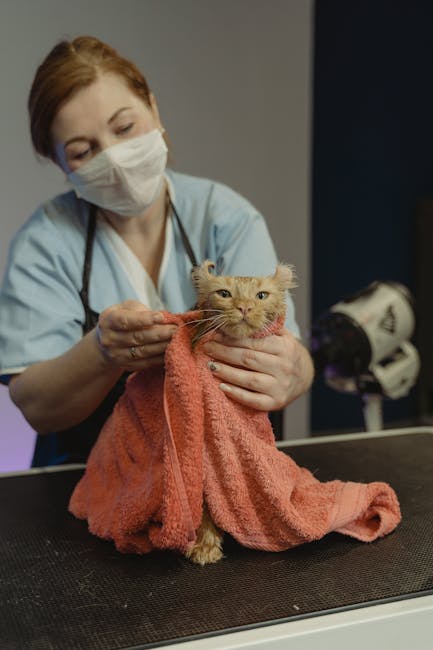
vet visit anxiety in cats
Feeling anxious is a natural response that both dogs and cats can experience in various situations, including visits to the veterinarian. Recognizing signs of anxiety can help caregivers provide comfort and support during these times. It’s important to remember that each animal expresses anxiety differently, and what may seem subtle to one person could be significant for another.
This article focuses on vet visit anxiety in cats, aiming to offer gentle guidance and understanding. It is designed to educate and raise awareness rather than to diagnose any specific behaviour concerns. If you notice your pet showing signs of stress or discomfort, consider reaching out to a qualified professional who can offer personalized advice tailored to your pet’s needs.
Common signs of anxiety in pets may include:
- Restlessness or pacing
- Hiding or avoidance
- Excessive vocalization
- Changes in body posture or facial expressions
By learning to recognize these signs, you can help create a more positive and calming experience for your furry friend during vet visits and beyond.
Reviewed by the SASI Vet Behavior & Anxiety Editorial Board.
What anxiety may look like at home
When caring for a cat experiencing vet visit anxiety in cats, it’s helpful to recognize the subtle ways anxiety might show up at home. Each cat is unique, so signs can vary widely from one pet to another. Being attentive to your cat’s behavior can help you provide comfort and support during stressful times.
Common signs of anxiety may include restlessness or pacing, as your cat tries to find a calm spot. Some cats may pant gently or tremble, while others might seek hiding places to feel safe. Vocalizing more than usual or becoming unusually clingy are also ways cats might express their feelings.
- Restlessness or pacing
- Hiding in quiet or secluded spots
- Increased vocalization
- Trembling or shaking
- Clinginess or seeking extra attention
- Occasional panting or rapid breathing
If you notice these behaviors, it’s a kind reminder that your cat may be feeling uneasy. Consulting with a trusted veterinary professional or a qualified behaviourist can provide personalized guidance to help your cat feel more secure and relaxed.
Common situations that may trigger anxiety
Many cats experience feelings of unease in certain situations, and understanding these can help provide comfort and support. Common triggers include separation from their trusted humans, exposure to loud or sudden noises, and changes in their daily routine. Each cat is unique, so what causes anxiety in one may not affect another in the same way.
Unfamiliar environments, such as a visit to the veterinary clinic, can also be a source of stress. This is especially true for cats who are sensitive to new sights, sounds, and smells. Social stress, whether from interactions with other animals or unfamiliar people, may also contribute to feelings of anxiety.
Recognizing these broad categories of triggers can be helpful when addressing vet visit anxiety in cats. Observing your cat’s behavior and consulting with a qualified veterinary professional can guide you in creating a calm and reassuring experience tailored to your pet’s needs.
How positive-based training supports anxious pets
Supporting pets with vet visit anxiety in cats involves creating a gentle and reassuring experience. Positive-based training focuses on rewarding calm and relaxed behaviours, helping pets associate visits with pleasant outcomes. This approach encourages trust and reduces stress without causing fear or discomfort.
Slow, gradual exposure to the veterinary environment can help pets feel more comfortable over time. Maintaining predictable routines and providing a calm, quiet space before and after visits also supports their emotional well-being. Clear, consistent communication through soothing tones and gentle handling further promotes a sense of safety.
Key elements of positive-based training include:
- Using treats, praise, or play to reward calm behaviour
- Introducing new experiences at a comfortable pace
- Keeping daily routines consistent to reduce uncertainty
- Creating a peaceful environment to minimize stress
- Communicating with gentle, reassuring body language and voice
It is important to avoid punishment or harsh corrections, as these can increase fear and anxiety. For personalized guidance tailored to your pet’s needs, consulting a qualified veterinary behaviour professional is always recommended.
Environmental and routine adjustments
Creating a calm and predictable environment can be very comforting for cats experiencing vet visit anxiety in cats. Providing a safe space where your cat can retreat, such as a cozy bed or quiet room, helps them feel secure and reduces stress. Enrichment activities like interactive toys or gentle play sessions can also offer positive distractions and mental stimulation.
Maintaining consistent daily routines supports your cat’s sense of stability. Predictable feeding times and regular exercise encourage a balanced lifestyle, which can promote overall well-being. A calm household atmosphere, with minimal loud noises and sudden changes, further contributes to your cat’s comfort.
- Offer a quiet, comfortable area for rest and retreat
- Engage in gentle play to provide mental and physical enrichment
- Keep feeding and exercise schedules consistent
- Minimize loud noises and sudden disruptions in the home
Every cat is unique, so observing their individual preferences and responses is important. If you have concerns about your cat’s anxiety, consulting a qualified veterinary behaviour professional can provide tailored guidance and support.
Additional gentle strategies to ease vet visit anxiety
Beyond environmental and routine adjustments, there are several gentle strategies caregivers can use to help their cats feel more at ease with vet visits. One helpful approach is to make the carrier a familiar and inviting space well before the appointment. Leaving the carrier out in a common area with soft bedding, treats, or favorite toys inside can encourage your cat to explore it voluntarily, reducing negative associations.
during travel to the clinic, covering the carrier with a breathable cloth can create a cozy, den-like atmosphere that helps reduce visual stimuli and potential stress. Speaking softly to your cat and offering gentle reassurance can also provide comfort during the journey.
At the veterinary clinic, bringing along familiar items such as a blanket or towel with your cat’s scent can help create a sense of security. If possible, requesting a quiet waiting area or scheduling appointments during less busy times may also reduce exposure to overwhelming sights and sounds.
After the visit, providing a calm, quiet space for your cat to decompress is beneficial. Gentle petting, soft voices, and familiar routines can support their emotional recovery. Remember, patience and kindness throughout the entire process are key to helping your cat build positive associations over time.
When anxiety may be more serious
It’s natural to feel concerned when your cat shows signs of stress during vet visits. While many cats experience mild anxiety, certain behaviors may suggest a deeper level of distress that benefits from extra support. Recognizing these signs early can help you seek the right guidance to keep your cat comfortable and safe.
Some red flags to watch for include:
- Extreme distress that seems overwhelming or prolonged
- Self-harming behaviors such as excessive scratching or biting
- Sudden changes in behavior, including withdrawal or aggression
- Signs of fear that interfere with daily activities or interactions
If you notice any of these signs related to vet visit anxiety in cats, it’s a good idea to consult with a qualified veterinary behavior professional. They can provide personalized advice and support tailored to your cat’s unique needs. Remember, your calm presence and seeking expert help are the best ways to support your feline friend through challenging moments.
Working with professionals
When addressing vet visit anxiety in cats, seeking guidance from qualified professionals can make a meaningful difference. Positive-reinforcement trainers, veterinary behaviour specialists, and veterinarians each bring valuable expertise to support your cat’s comfort and well-being. Their gentle, compassionate approaches focus on building trust and reducing stress in a way that respects your cat’s unique needs.
It’s important to remember that behaviour concerns may sometimes have underlying medical components. A veterinarian can help ensure your cat’s health is thoroughly evaluated, while behaviour professionals can offer tailored strategies to ease Anxiety during visits. Working together, these experts provide a holistic approach that prioritizes your cat’s emotional and physical health.
Benefits of consulting professionals include:
- Personalized advice based on your cat’s temperament and history
- Support with positive, fear-free techniques to create calm experiences
- Guidance on environmental adjustments and handling methods
- Collaboration to address both behavioural and medical factors
Remember, reaching out to experienced professionals is a kind step toward helping your cat feel safe and secure during vet visits. Their gentle support can empower you to create positive experiences that build confidence over time.
Common owner questions (FAQs)
Why does my cat seem more anxious during vet visits? Many cats feel uneasy in unfamiliar environments, especially at the vet. New sights, sounds, and smells can be overwhelming, making them appear stressed or withdrawn. Understanding this helps us approach visits with extra patience and care.
How can I help reduce my cat’s vet visit anxiety? Creating a calm and familiar environment before and during the visit can be comforting. Gentle handling, soft voices, and familiar items like a favorite blanket may ease their nerves. Each cat is unique, so observing their reactions helps tailor support.
Is it normal for my cat to hide or avoid the carrier? Yes, many cats associate carriers with stressful experiences. Encouraging positive associations by leaving the carrier accessible and placing treats or toys inside can make it a safer space over time.
Should I be worried if my cat shows signs of anxiety after the visit? It’s common for cats to feel unsettled after a vet visit. Providing a quiet, comfortable space to rest and offering gentle reassurance can help them recover. If concerns persist, consulting a veterinary professional is always a good step.
Can I prepare my cat for future vet visits? Gradual, positive exposure to the carrier and car rides can build confidence. Patience and kindness during these experiences support your cat’s emotional well-being and help make future visits smoother.
Summary
Vet visit anxiety in cats is a common experience that many feline companions and their caregivers face. With patience and understanding, this anxiety can be gently managed to create a more positive experience for your cat. Approaching visits with kindness and a calm demeanor helps build trust and reduces stress.
Establishing a consistent routine and providing a comfortable environment before, during, and after the visit can make a significant difference. Small steps, such as familiarizing your cat with the carrier and using soothing tones, support a sense of safety.
Remember, every cat is unique, and what works well for one may differ for another. It’s always beneficial to seek guidance from veterinary professionals or certified animal behaviorists who can offer personalized advice tailored to your cat’s needs.
- Be patient and gentle throughout the process
- Maintain a calm and reassuring presence
- Use consistent routines to build familiarity
- Consult professionals for individualized support
With kindness, structure, and expert support, vet visit anxiety in cats can be managed effectively, helping your feline friend feel more secure and comfortable during these important health check-ins.
- American Association of Feline Practitioners (AAFP) – Cat Friendly Practices
- International Association of Animal Behavior Consultants (IAABC)
- American Veterinary Society of Animal Behavior (AVSAB)
- Pet Professional Guild (PPG)
- Society for Companion Animal Studies (SCAS)
Disclaimer: This article provides general information about pet anxiety and does not replace professional evaluation or guidance.