Walking anxiety in dogs

Share
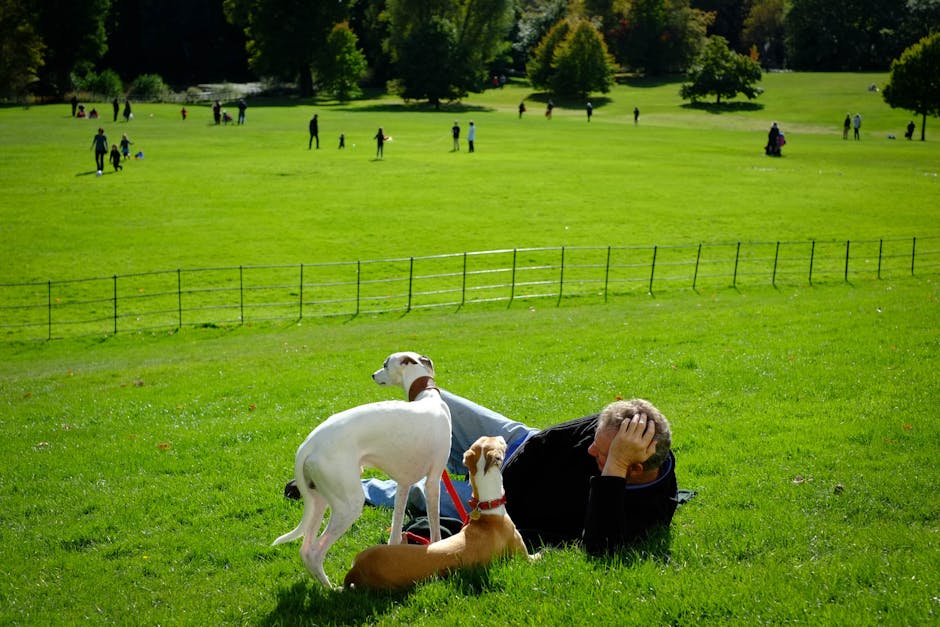
walking anxiety in dogs
Walking anxiety in dogs is a common experience that many pets and their owners face. Just like people, dogs and cats can feel anxious in different situations, and their reactions may vary widely. Some pets might seem restless, while others may appear withdrawn or hesitant during walks or outings.
It’s important to understand that anxiety is a natural response and can show up in many ways, including:
- Reluctance to go outside or walk
- Pacing or trembling
- Excessive panting or drooling
- Trying to hide or escape
This article aims to provide gentle, educational information about walking anxiety in dogs. It is not intended to diagnose any specific behaviour concerns but to offer reassurance and encourage positive, fear-free approaches. If you notice signs of anxiety in your pet, consulting a qualified veterinary behaviour professional can help you find the best support tailored to your dog’s needs.
Reviewed by the SASI Vet Behavior & Anxiety Editorial Board.
What anxiety may look like at home
Walking anxiety in dogs can sometimes be reflected in their behavior even when they are at home. Each dog expresses their feelings in unique ways, so it’s important to observe your pet closely and with kindness. You might notice subtle or more obvious signs that suggest your dog is feeling uneasy.
Common signs of anxiety at home include restlessness or pacing, as your dog may find it hard to settle. Some dogs pant more than usual or tremble gently, while others might seek comfort by staying close to you or hiding in quiet spots. Vocalizing, such as whining or barking, can also be a way your dog communicates their discomfort.
Here are some behaviors to watch for:
- Restlessness or pacing
- Excessive panting or trembling
- Hiding or seeking solitude
- Increased vocalization like whining or barking
- Clinginess or following you closely
If you notice these signs, gently supporting your dog and consulting with a qualified professional can help you understand their needs and provide comfort in a positive, fear-free way.
Common situations that may trigger anxiety
Walking anxiety in dogs can arise from a variety of everyday situations, and it’s important to remember that each dog is unique in what may cause them stress. Some dogs may feel uneasy when separated from their owners, while others might be sensitive to loud noises or sudden changes in their environment.
Common triggers include:
- Separation from familiar people or pets
- Loud or unexpected sounds such as traffic, fireworks, or construction
- changes in routine or daily schedule
- Unfamiliar places or new environments
- Social interactions with other dogs or people
Understanding your dog’s individual triggers can help create a more comfortable walking experience. If you notice signs of anxiety, gently observing and adjusting the environment can be beneficial. Consulting with a qualified professional can provide personalized guidance tailored to your dog’s needs, ensuring their walks are enjoyable and stress-free.
How positive-based training supports anxious pets
Walking anxiety in dogs can be gently eased through positive-based training approaches that prioritize kindness and understanding. Using rewards such as treats, praise, or play helps create a safe and encouraging environment where your pet feels motivated and secure. Slow, gradual exposure to new experiences allows your dog to build confidence at their own pace without feeling overwhelmed.
Maintaining predictable routines and calm surroundings further supports anxious pets by reducing uncertainty and promoting relaxation. Clear, consistent communication through gentle cues and body language helps your dog understand what to expect, fostering trust and cooperation.
- Offer rewards to reinforce calm and confident behaviour
- Introduce new situations gradually and patiently
- Keep daily routines consistent to provide stability
- Create quiet, soothing environments during walks
- Use clear, gentle signals to guide your pet
It’s important to avoid punishment or harsh corrections, as these can increase fear and anxiety. If your dog’s walking anxiety feels overwhelming, consulting a qualified behaviour professional can provide personalized support tailored to your pet’s unique needs.
Environmental and routine adjustments
Creating a calm and predictable environment can be very comforting for dogs experiencing walking anxiety in dogs. Providing a safe space where your pet can retreat helps them feel secure during moments of stress. This might be a quiet corner with their favorite bed or a cozy crate that they associate with relaxation.
In addition to safe spaces, enriching your dog’s daily life with engaging activities can support their overall well-being. Gentle play, puzzle toys, and scent games offer positive mental stimulation that can reduce anxiety over time. Maintaining a consistent routine for feeding and exercise also helps your dog know what to expect, which can be reassuring.
Consider these supportive adjustments:
- Set regular times for meals and walks to build predictability
- Keep household noise and activity levels calm, especially before walks
- Use gentle, soothing tones when interacting with your dog
- Offer quiet moments and rest periods throughout the day
Remember, every dog is unique, and gentle environmental changes can make a meaningful difference. Consulting with a qualified behaviour professional can provide personalized guidance tailored to your dog’s needs.
When anxiety may be more serious
Walking anxiety in dogs can often be managed with patience and positive support, but sometimes certain signs suggest that your dog may need extra help. If your dog shows extreme distress during walks, it’s important to pay close attention to their well-being and comfort. Sudden changes in behaviour or increased fearfulness can also indicate that something deeper is affecting your dog’s experience.
Other signs to watch for include:
- Repeated attempts to escape or self-harm
- Uncharacteristic aggression or defensiveness
- Persistent trembling, panting, or freezing
These behaviours can be distressing for both you and your dog. Remember, seeking guidance from a qualified professional can provide valuable support tailored to your dog’s unique needs. A gentle, understanding approach can help your dog feel safer and more confident during walks, improving the experience for both of you.
Working with professionals
When addressing walking anxiety in dogs, seeking guidance from qualified professionals can provide valuable support and reassurance. Positive-reinforcement trainers, veterinary behaviour professionals, and veterinarians each offer unique insights that can help you better understand your dog’s needs and comfort levels during walks.
It’s important to remember that behaviour concerns sometimes have underlying medical components. Consulting a veterinarian can help rule out or address any physical factors that might contribute to your dog’s anxiety, ensuring a comprehensive approach to their wellbeing.
Working with professionals offers several benefits, including:
- Personalized strategies tailored to your dog’s temperament and experiences
- Gentle, fear-free techniques that build confidence and trust
- Support in recognizing subtle signs of stress and anxiety
- Encouragement and guidance for you as a caregiver, fostering a positive relationship with your dog
Remember, every dog is unique, and professional guidance can help you navigate walking anxiety in dogs with kindness and patience. Don’t hesitate to reach out to those trained in compassionate, positive methods to support your dog’s journey toward more relaxed and enjoyable walks.
Common owner questions (FAQs)
What signs might indicate my dog has walking anxiety? You may notice your dog hesitating to go outside, pulling away, trembling, or showing reluctance during walks. These behaviors can be gentle signals that your dog feels uneasy, and recognizing them is the first step toward providing comfort.
How can I help my dog feel more comfortable during walks? Creating a calm and positive environment is key. Using a soothing voice, offering gentle praise, and allowing your dog to explore at their own pace can make walks more enjoyable. Remember, patience and kindness go a long way.
Are there specific tools that can ease walking anxiety in dogs? Many owners find that well-fitted harnesses or head collars designed for comfort can support a sense of security. It’s important to choose equipment that feels gentle and non-restrictive, always prioritizing your dog’s comfort.
When should I seek professional guidance for walking anxiety in dogs? If your dog’s anxiety seems persistent or is affecting their quality of life, consulting a qualified veterinary behaviourist or trainer can provide personalized support. Professionals can offer tailored advice to help your dog feel safe and happy during walks.
Additional gentle strategies to support your dog
Beyond training and environmental adjustments, there are several gentle strategies you can incorporate to help your dog feel more at ease during walks. For example, allowing your dog to set the pace and choose the direction can empower them and reduce feelings of pressure or overwhelm. Observing your dog’s body language closely and responding with calm reassurance can strengthen your bond and build trust.
Incorporating calming scents, such as lavender or chamomile, in your home or on your dog’s bedding may also promote relaxation, though it’s important to ensure any scents used are safe and well-tolerated by your pet. Additionally, practicing mindfulness yourself during walks-staying relaxed and present-can have a soothing effect on your dog, as they often pick up on your emotional state.
Another helpful approach is to create positive associations with walking gear and the outdoors. For instance, you might gently introduce your dog to their leash or harness in a calm setting, pairing these items with treats or play to build a pleasant connection. Similarly, short, enjoyable outings that end on a positive note can gradually help your dog feel more comfortable and eager to explore.
Remember to celebrate small victories, no matter how minor they seem. Each positive experience contributes to your dog’s growing confidence and comfort. Patience, consistency, and gentle encouragement are key ingredients in supporting your dog through walking anxiety.
Summary
Walking anxiety in dogs is a common experience that many pet owners encounter. With patience and understanding, it can be managed effectively to help your dog feel more comfortable and confident during walks. Approaching this challenge with kindness and a consistent routine creates a safe environment for your dog to thrive.
Key elements to support your dog include:
- Providing gentle encouragement and positive reinforcement
- Establishing a predictable walking schedule
- Creating a calm and reassuring atmosphere
- Seeking guidance from qualified professionals when needed
Remember, every dog is unique, and progress may take time. Embracing a compassionate approach and working closely with experienced behaviour specialists can make a meaningful difference. Your dedication to your dog’s well-being is the foundation for building confidence and joy during walks.
- American Veterinary Society of Animal Behavior (AVSAB)
- International Association of Animal Behavior Consultants (IAABC)
- Association of Professional Dog Trainers (APDT)
- Pet Professional Guild (PPG)
- Fear Free Happy Homes
Disclaimer: This article provides general information about pet anxiety and does not replace professional evaluation or guidance.