What happens if a dog misses a parasite medication dose

Share
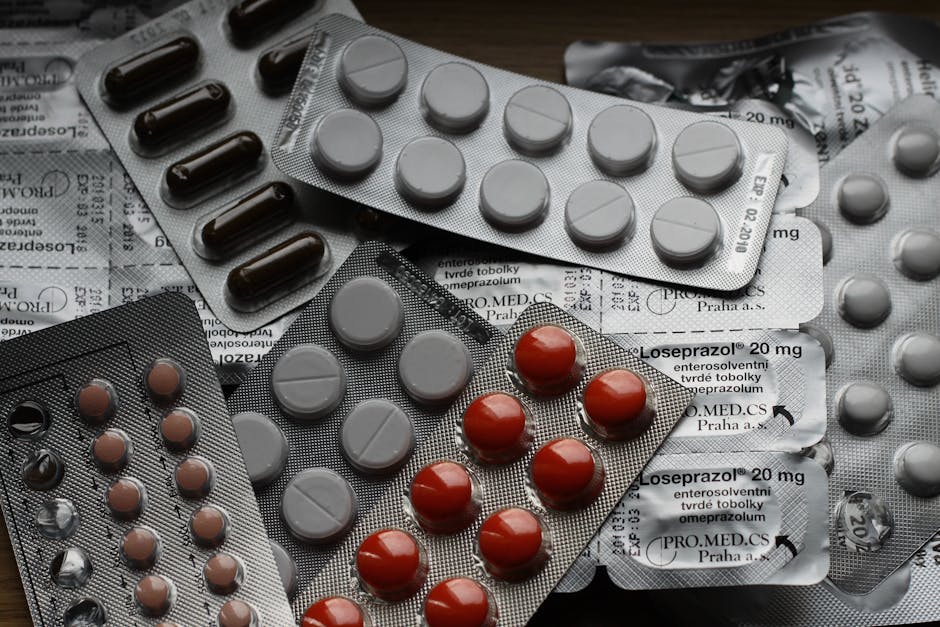
what happens if a dog misses a parasite medication dose
Parasite prevention and treatment are important aspects of maintaining your dog’s health. Anti-parasitic medications are typically prescribed or recommended by veterinarians to help protect pets from various internal and external parasites. These medications play a crucial role in preventing infestations that can lead to serious health issues.
It is important to understand that these medications should be used under veterinary guidance to ensure safety and effectiveness. This information is intended for general educational purposes only and does not serve as a recommendation for any specific product or dosing schedule.
Reviewed by the SASI Vet Medications Editorial Board.
What Happens If a Dog Misses a parasite medication Dose?
Missing a dose of parasite medication can potentially reduce the effectiveness of parasite control, depending on the type of medication and the parasite involved. Skipping doses may allow parasites to survive or reproduce, which can increase the risk of infestation and related health problems. If a dose is missed, it is best to consult your veterinarian promptly for advice tailored to your dog’s specific situation. Maintaining consistent parasite prevention is key to protecting your pet’s health and well-being.
What “parasites” means for pet owners
Parasites are organisms that live on or inside pets, often causing discomfort or health issues. For dog owners, understanding the difference between external and internal parasites is important for maintaining their pet’s well-being.
External Parasites
External parasites live on the skin or fur of dogs. Common examples include fleas and ticks. These parasites can cause itching, irritation, and sometimes transmit diseases. They are often visible to the naked eye and may lead to skin infections if left unchecked.
Internal Parasites
Internal parasites reside inside the dog’s body, commonly in the digestive system. Examples include worms that can affect nutrient absorption and overall health. These parasites are not visible externally but can cause symptoms such as weight loss, vomiting, or changes in appetite.
When considering what happens if a dog misses a parasite medication dose, it’s important to recognize that missing a dose can allow parasites to survive or multiply, potentially leading to health complications. Regular veterinary guidance ensures safe and effective parasite control tailored to your dog’s needs.
Why anti-parasitics should be veterinary-guided
Understanding what happens if a dog misses a parasite medication dose is important for maintaining your pet’s health and safety. The effects of missing a dose can vary widely depending on factors such as your dog’s species, age, weight, overall health, and the specific parasites common in your region. Because of these variables, it is essential to have a veterinarian guide the use of anti-parasitic treatments.
Individualized care for your pet
Each dog’s needs are unique. A veterinarian considers all relevant factors before recommending an appropriate anti-parasitic approach. This ensures the treatment is both safe and effective, minimizing risks associated with underdosing or overdosing.
Risks of improper use
Using leftover medication or products intended for humans can be dangerous and may lead to ineffective parasite control or adverse reactions. Veterinary guidance helps prevent these risks by providing tailored advice and monitoring your dog’s response to treatment.
In summary, always consult your veterinarian if a dose is missed or if you have concerns about parasite prevention. Their expertise ensures your dog receives the safest and most effective care possible.
Common situations where vets may discuss parasite prevention
Veterinarians often address parasite prevention during routine check-ups, especially when a dog’s lifestyle increases exposure risks. For example, dogs with regular outdoor access, frequent visits to dog daycare, or those that travel to different regions may face higher chances of encountering parasites. Contact with wildlife or other animals can also elevate the risk, prompting vets to emphasize the importance of consistent prevention measures.
Seasonal and environmental factors
Parasite risks can vary with the seasons and local environment. Warmer months often bring increased activity of fleas, ticks, and mosquitoes, which can transmit parasites. In some regions, certain parasites may be more prevalent year-round, making ongoing prevention discussions essential. Understanding these factors helps pet owners appreciate why veterinarians stress the importance of regular parasite control.
Understanding what happens if a dog misses a parasite medication dose
Missing a dose of parasite medication can potentially leave a dog vulnerable to infection, depending on the timing and local parasite pressure. This is why veterinarians encourage pet owners to maintain consistent prevention routines and seek guidance if a dose is missed. Open communication with your vet ensures the best approach to protect your dog’s health and well-being.
Why the ‘right’ plan differs by pet and region
Understanding what happens if a dog misses a parasite medication dose starts with recognizing that parasite risks vary widely depending on where you live and the time of year. Different regions have different types and levels of parasite exposure, influenced by climate, wildlife, and local environments. For example, some areas may have a higher prevalence of ticks, while others might see more mosquitoes or intestinal parasites.
Individual pet factors
Each dog’s lifestyle, health status, and outdoor activities also play a role in determining the best parasite prevention approach. A dog that spends a lot of time outdoors or in wooded areas may face different risks compared to one that stays mostly indoors.
Veterinary guidance is key
Because of these variables, veterinarians tailor parasite prevention plans to suit both the pet and the region. Missing a dose can potentially increase the risk of parasite exposure, but the specific impact depends on many factors. Regular veterinary check-ups ensure that prevention strategies remain effective and appropriate throughout the year, helping to keep your dog safe and healthy.
Common mistakes to avoid
Mixing different parasite medications
Using multiple parasite medications without veterinary guidance can lead to harmful interactions or overdosing. Each product is formulated with specific active ingredients, and combining them may increase the risk of side effects or toxicity. Always consult a veterinarian before introducing any new medication to your dog’s regimen.
Using products intended for other species
Administering parasite medications designed for other animals can be dangerous. Dogs have unique metabolic processes, and products meant for different species may contain ingredients or concentrations unsuitable for them. This can result in ineffective treatment or adverse reactions.
Incorrect dosing
Giving too much or too little medication can compromise your dog’s health. Underdosing may not effectively control parasites, while overdosing increases the risk of toxicity. Accurate dosing based on your dog’s weight and health status is essential and should be determined by a veterinarian.
Treating without a proper diagnosis
Administering parasite medication without confirming the presence and type of parasites can lead to unnecessary exposure to chemicals and may not address the actual health issue. A veterinary diagnosis ensures that treatment is appropriate and safe.
Understanding what happens if a dog misses a parasite medication dose includes recognizing these risks and the importance of professional guidance to maintain your pet’s health and safety.
Safety during prescribed anti-parasitic use
Understanding what happens if a dog misses a parasite medication dose is important for maintaining your pet’s health and safety. Anti-parasitic medications are prescribed by veterinarians to protect dogs from harmful parasites. To ensure effectiveness and safety, it is essential to follow your veterinarian’s directions carefully.
Follow Veterinary Guidance
Always administer medications exactly as prescribed. If a dose is missed, avoid making changes without consulting your veterinarian. They can provide the best advice tailored to your dog’s specific situation.
Safe Storage and Record Keeping
Store all medications securely and out of reach of pets and children. Keeping a written record of doses given can help prevent accidental missed or double doses, supporting consistent parasite control.
Monitor Your Dog’s Health
Observe your dog for any unusual signs or reactions during treatment. If you notice changes in behavior, appetite, or physical condition, contact your veterinarian promptly for guidance.
Maintaining open communication with your veterinary team and adhering to their recommendations ensures the safest and most effective use of anti-parasitic medications for your dog’s well-being.
Parasites and household safety
Understanding what happens if a dog misses a parasite medication dose is important for maintaining a safe and healthy home environment. Parasites not only affect pets but can also pose risks to humans, especially children, elderly family members, or those with weakened immune systems. Maintaining good hygiene and regular cleaning routines helps reduce the risk of parasite transmission within the household.
Hygiene and cleaning routines
Regularly cleaning your pet’s bedding, toys, and living areas can help minimize parasite exposure. Vacuuming floors and furniture, washing hands after handling pets, and promptly disposing of waste are essential steps. These practices support overall household safety and reduce the chance of parasites spreading.
Communication with your veterinarian
If a dose of parasite medication is missed, it’s important to consult your veterinarian promptly. They can provide professional guidance tailored to your pet’s specific needs and health status. Open communication ensures that your dog remains protected and that any potential risks to your family are managed responsibly.
Questions pet owners often ask (FAQs)
What happens if a dog misses a parasite medication dose?
Missing a dose of parasite medication can potentially reduce its effectiveness in protecting your dog from harmful parasites. The risk depends on the type of medication and the parasite it targets. It’s important to consult your veterinarian promptly to determine the safest way to proceed and maintain your dog’s health.
Can missing a dose cause parasites to become resistant?
In some cases, inconsistent medication can contribute to parasite resistance, making future treatments less effective. Ensuring regular and timely administration as advised by your veterinarian helps minimize this risk and supports long-term parasite control.
Is it safe to give the missed dose as soon as I remember?
Whether you should administer a missed dose immediately depends on the specific medication and timing. Contact your veterinarian for guidance tailored to your dog’s situation to avoid potential side effects or complications.
What signs should I watch for if a dose is missed?
Monitor your dog for any unusual symptoms such as changes in appetite, behavior, or signs of parasite infestation. If you notice anything concerning, seek veterinary advice promptly to ensure your dog’s well-being.
How can I prevent missing doses in the future?
Establishing a consistent routine and setting reminders can help maintain timely administration of parasite medications. Regular veterinary check-ups also provide opportunities to review and adjust your dog’s parasite prevention plan as needed.
Working with your veterinarian
If you are wondering what happens if a dog misses a parasite medication dose, it is important to consult your veterinarian promptly. Missing a dose can affect the effectiveness of parasite prevention, but the best course of action depends on your dog’s specific health needs and lifestyle.
Discuss your dog’s lifestyle
Sharing details about your dog’s daily activities, exposure to other animals, and environments can help your veterinarian tailor a parasite prevention plan that fits your pet’s unique situation. This information is crucial for maintaining effective protection.
Consider other pets and family members
If you have multiple pets or young children at home, your veterinarian can recommend a safe and coordinated approach to parasite control that minimizes risks for everyone in the household.
Inform about prior reactions and travel plans
Any history of adverse reactions to medications or upcoming travel should be discussed with your veterinarian. This allows them to adjust the prevention strategy to ensure safety and effectiveness.
Open communication with your veterinarian is the safest way to manage missed doses and maintain your dog’s health through responsible parasite prevention.
Summary
Understanding what happens if a dog misses a parasite medication dose is important for maintaining your pet’s health. Parasite prevention plays a crucial role in protecting dogs from various internal and external parasites that can cause serious health issues. However, these medications must be used responsibly and under the guidance of a veterinarian to ensure safety and effectiveness.
Missing a dose can potentially reduce the effectiveness of parasite control, leaving your dog vulnerable to infestations. The impact of a missed dose depends on several factors, including the type of parasite being targeted, the medication used, and the timing of the missed dose. It is essential to communicate with your veterinarian if a dose is missed, as they can provide the best advice tailored to your dog’s specific situation.
Regular veterinary check-ups and following professional recommendations help ensure that parasite prevention is both safe and effective. Responsible use of anti-parasitic medications not only protects your dog but also helps prevent the spread of parasites to other animals and humans. Always prioritize veterinary guidance when managing your dog’s parasite prevention plan.
- Canadian Veterinary Medical Association
- American Veterinary Medical Association
- World Small Animal Veterinary Association
- Companion Animal Parasite Council
- Canadian Animal Health Institute
Disclaimer: This article provides general information about anti-parasitics for pets and does not replace professional veterinary advice. Do not give any medication to your pet unless directed by a licensed veterinarian.