What happens if parasite medication is underdosed

Share
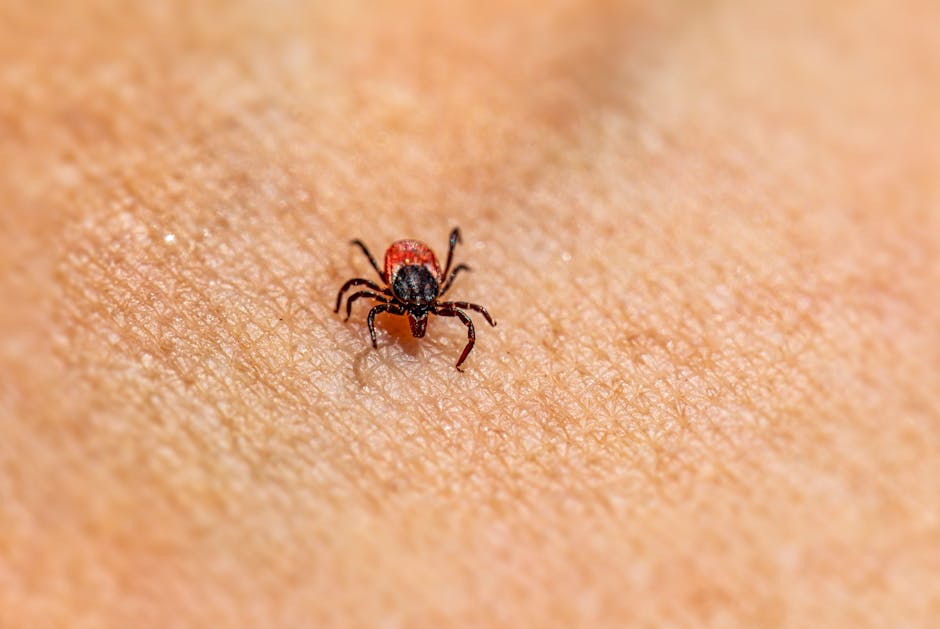
what happens if parasite medication is underdosed
parasite medications are commonly prescribed or recommended by veterinarians to help prevent or treat various parasites in pets. These medications play an important role in maintaining your pet’s health by controlling internal and external parasites that can cause discomfort or serious illness. It is essential to understand that parasite medications should always be used under veterinary guidance to ensure safety and effectiveness.
Reviewed by the SASI Vet Medications Editorial Board.
What “parasites” means for pet owners
Parasites are organisms that live on or inside pets, often causing discomfort or health issues. Understanding the difference between external and internal parasites is important for pet owners to ensure their pets’ well-being.
External Parasites
External parasites live on the skin or fur of pets. Common examples include fleas, ticks, and mites. These parasites can cause itching, irritation, and sometimes transmit diseases. They are often visible and may lead to hair loss or skin infections if left unmanaged.
Internal Parasites
Internal parasites reside inside the pet’s body, commonly in the digestive tract. Examples include worms and protozoa. These parasites may cause symptoms such as weight loss, vomiting, diarrhea, or lethargy. Because they are not visible externally, regular veterinary check-ups are essential for detection.
Pet owners often wonder what happens if parasite medication is underdosed. Underdosing can reduce the effectiveness of parasite control, potentially allowing parasites to survive and multiply. This can lead to ongoing health risks for pets and may contribute to parasite resistance. Always consult a veterinarian to ensure safe and effective parasite management tailored to your pet’s needs.
Understanding Underdosing
One concern many pet owners have is what happens if parasite medication is underdosed. Underdosing occurs when the amount of medication given is less than what is needed to effectively eliminate or control parasites. This can reduce the medication’s effectiveness and may allow parasites to survive and multiply. Additionally, underdosing can contribute to the development of resistance, making future parasite control more difficult.
This information is intended for general educational purposes only and does not replace professional veterinary advice. Always consult your veterinarian for appropriate parasite prevention and treatment tailored to your pet’s specific needs.
Why anti-parasitics should be veterinary-guided
Understanding what happens if parasite medication is underdosed is crucial for the health and safety of your pet. Underdosing can lead to ineffective treatment, allowing parasites to survive and potentially develop resistance to medications. This not only compromises your pet’s health but can also make future infestations harder to control.
Individualized care is essential
Each pet’s needs vary based on species, age, weight, and overall health. A veterinary professional considers these factors to determine the safest and most effective approach. Using leftover medication or products intended for humans can be dangerous, as they may not be appropriate or safe for your pet’s specific condition.
Regional risks and parasite types
Parasite risks differ by geographic location, and a veterinarian can recommend the best strategy based on local threats. This tailored guidance helps ensure your pet receives the right protection without unnecessary exposure to medications.
Always consult your veterinarian before administering any anti-parasitic treatment. Their expertise ensures your pet’s safety and the best possible outcome in parasite prevention and control.
Common situations where vets may discuss parasite prevention
Veterinarians often talk about parasite prevention during routine visits, especially when pets have increased exposure risks. Outdoor access is a key factor; pets that spend time in yards, parks, or hiking trails are more likely to encounter parasites. Similarly, pets that travel frequently or stay in daycare settings may face higher exposure due to contact with other animals.
Wildlife and environmental exposure
Contact with wildlife or environments where wild animals roam can increase the risk of parasite transmission. Vets consider these factors when discussing prevention strategies to ensure pets remain protected in diverse settings.
Seasonal considerations
Parasite risks often fluctuate with the seasons. Warmer months can lead to increased parasite activity, prompting veterinarians to emphasize prevention during these times. Understanding these seasonal patterns helps pet owners stay vigilant year-round.
Understanding what happens if parasite medication is underdosed is important because insufficient dosing can reduce effectiveness, potentially allowing parasites to survive and develop resistance. This highlights the importance of veterinary guidance to ensure safe and effective parasite prevention tailored to each pet’s lifestyle and risk factors.
Why the ‘right’ plan differs by pet and region
Understanding what happens if parasite medication is underdosed is important for maintaining your pet’s health. Parasite risks vary widely depending on where you live and the time of year. Some regions have higher exposure to certain parasites due to climate, wildlife, and environmental factors. Additionally, seasonal changes can influence parasite activity, making prevention needs different throughout the year.
Geographic and seasonal factors
Pets in warmer, humid areas may face greater risks from parasites year-round, while those in colder climates might only need protection during specific seasons. Outdoor pets or those in rural areas often encounter different parasite threats compared to indoor or urban pets.
Customized veterinary plans
Because of these variations, veterinarians tailor parasite prevention plans to each pet’s unique situation. Underdosing parasite medication can reduce its effectiveness, potentially allowing parasites to survive and cause health issues. This is why following a veterinarian’s guidance ensures the right approach for your pet’s location, lifestyle, and risk level, promoting safe and effective parasite control.
Common mistakes to avoid
Mixing different parasite medications
Using multiple parasite medications without veterinary guidance can lead to unintended side effects or reduced effectiveness. Combining products may increase the risk of toxicity or cause harmful interactions, so it is important to consult a veterinarian before mixing treatments.
Using products intended for the wrong species
Medications formulated for one species may not be safe or effective for another. Administering a product designed for a different animal can result in serious health complications. Always ensure the medication is appropriate for your pet’s species under veterinary supervision.
Incorrect dosing and underdosing
One common concern is what happens if parasite medication is underdosed. Underdosing can fail to eliminate parasites completely, allowing them to survive and potentially develop resistance to the medication. This can make future treatments less effective and prolong your pet’s discomfort or illness.
Treating without a proper diagnosis
Administering parasite medication without a confirmed diagnosis may expose your pet to unnecessary medication risks and may not address the actual health issue. A veterinarian’s assessment ensures the correct treatment plan tailored to your pet’s specific needs, promoting safety and effectiveness.
Safety during prescribed anti-parasitic use
Understanding what happens if parasite medication is underdosed is important for ensuring your pet’s health and safety. Underdosing can reduce the effectiveness of the treatment, potentially allowing parasites to survive and develop resistance. This is why following your veterinarian’s directions precisely is essential.
Follow Veterinary Guidance
Always administer anti-parasitic medications exactly as prescribed by your veterinarian. Avoid altering doses or schedules without professional advice, as this can compromise treatment success and your pet’s well-being.
Safe Storage and Record Keeping
Store all medications securely out of reach of children and pets to prevent accidental ingestion. Keeping a detailed record of treatments helps track what has been given and when, supporting ongoing veterinary care.
Monitoring and Communication
Observe your pet closely for any changes in behavior or health during and after treatment. If you notice anything unusual or have concerns about the medication’s effects, contact your veterinarian promptly for guidance.
Parasites and household safety
Understanding what happens if parasite medication is underdosed is important for maintaining a safe environment for both pets and people. Underdosing can lead to incomplete parasite control, allowing parasites to survive and potentially spread within the household. Some parasites that affect pets can also pose health risks to humans, making thorough hygiene and cleaning routines essential.
Maintaining hygiene and cleaning routines
Regular cleaning of pet bedding, toys, and living areas helps reduce the risk of parasite transmission. Washing hands after handling pets or cleaning their spaces is a simple but effective way to protect everyone in the home. Vacuuming carpets and floors frequently can also remove parasite eggs or larvae from the environment.
Communication with your veterinarian
Consulting your veterinarian is crucial when managing parasite control. They can provide guidance tailored to your pet’s needs and help ensure that medications are used safely and effectively. Proper dosing and adherence to veterinary advice reduce the risk of resistance and protect both your pet’s health and your household’s safety.
Questions pet owners often ask (FAQs)
What happens if parasite medication is underdosed?
Underdosing parasite medication can reduce its effectiveness, potentially allowing parasites to survive and continue affecting your pet’s health. It may also contribute to the development of resistance, making future treatments less effective. Always follow your veterinarian’s guidance to ensure proper dosing.
Can underdosing parasite medication harm my pet?
While underdosing is less likely to cause immediate harm compared to overdosing, it can lead to ongoing parasite infestations that may cause discomfort, illness, or secondary infections. Proper dosing is essential to protect your pet’s well-being.
How can I avoid underdosing parasite medication?
Consult your veterinarian for accurate dosing based on your pet’s weight, age, and health status. Using the correct product and following professional advice helps ensure the medication works safely and effectively.
Is it safe to give less medication if my pet seems sensitive?
Never adjust the dose without veterinary approval. If you notice any adverse reactions, contact your veterinarian promptly for guidance rather than altering the dose on your own.
What should I do if I suspect underdosing occurred?
Inform your veterinarian as soon as possible. They can assess your pet’s condition and recommend appropriate next steps to manage parasite control safely.
Working with your veterinarian
Understanding what happens if parasite medication is underdosed is important for your pet’s health and safety. Underdosing can reduce the effectiveness of parasite control, potentially allowing parasites to survive and multiply. This may lead to ongoing health risks for your pet and increase the chance of spreading parasites to other animals or family members.
Discuss your pet’s lifestyle
When consulting your veterinarian, be sure to share details about your pet’s daily activities, exposure to other animals, and environments they frequent. This information helps the veterinarian tailor a parasite prevention plan that fits your pet’s specific needs.
Consider your household and travel plans
Inform your veterinarian about other pets in the home, the presence of children, and any upcoming travel. These factors can influence the choice and timing of parasite prevention strategies to ensure safety for everyone involved.
Share previous reactions and health history
Providing a complete history of any past reactions to medications or health concerns allows your veterinarian to select the safest options and monitor your pet closely during treatment.
Open communication with your veterinarian is key to effective and safe parasite control tailored to your pet’s unique situation.
Summary
Understanding what happens if parasite medication is underdosed is important for the health and safety of your pet. Underdosing anti-parasitic treatments can reduce their effectiveness, potentially allowing parasites to survive and continue causing harm. This can lead to ongoing discomfort, health complications, and the risk of parasites spreading to other animals or humans.
When parasite medications are not used at the correct dose, there is also a concern about the development of resistance. Parasites exposed to insufficient levels of medication may adapt over time, making future treatments less effective or even ineffective. This highlights the importance of using these medications responsibly and under the guidance of a veterinarian.
Veterinary professionals can recommend the appropriate medication and dosage based on your pet’s specific needs, weight, and health status. They also provide advice on safe administration and monitoring for any side effects. Responsible use of anti-parasitics ensures the best outcome for your pet’s health while minimizing risks associated with improper dosing.
- Canadian Veterinary Medical Association
- American Veterinary Medical Association
- World Small Animal Veterinary Association
- Companion Animal Parasite Council
- British Small Animal Veterinary Association
Disclaimer: This article provides general information about anti-parasitics for pets and does not replace professional veterinary advice. Do not give any medication to your pet unless directed by a licensed veterinarian.