What Tension Looks Like in Dogs Before Aggression

Share
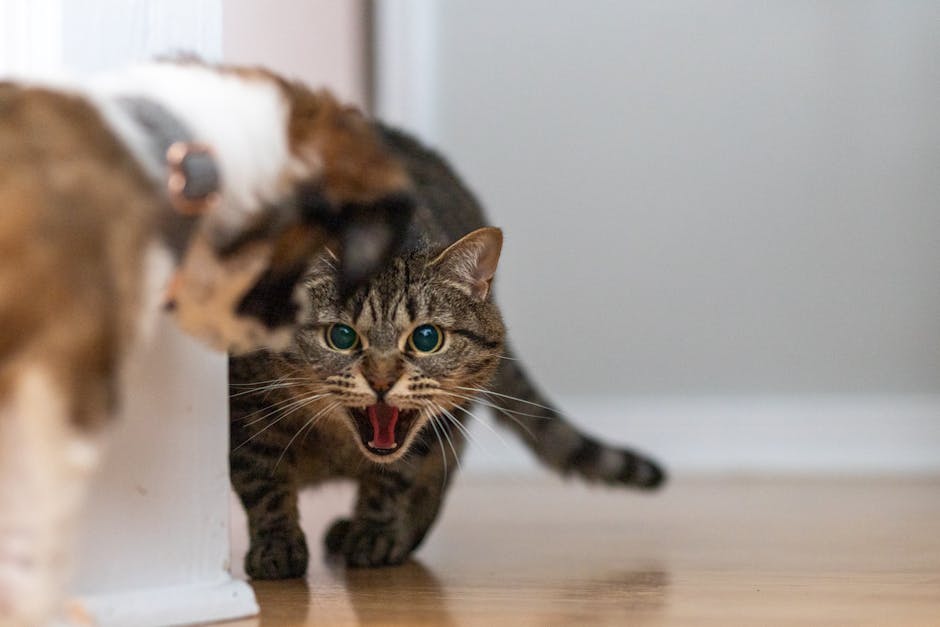
What tension looks like in Dogs Before Aggression
Introduction
Understanding what tension looks like in dogs before aggression is essential for ensuring a safe environment for both pets and people. It’s important to recognize that aggression can manifest in various ways in both dogs and cats, often serving as a signal that they are feeling threatened or uncomfortable. This behavior is not a diagnosis but rather a communication method that pets use to express their feelings.
By observing your pet’s body language and behavior, you can identify signs of tension that may precede aggressive actions. Common indicators include stiff body posture, raised hackles, and a fixed gaze. These signals can help you understand when your pet is feeling uneasy, allowing you to take proactive steps to create a more comfortable atmosphere.
Remember, recognizing these signs is a vital part of responsible pet ownership. By being aware of what tension looks like in dogs before aggression, you can help prevent situations that may lead to conflict, ensuring a harmonious relationship with your furry companions.
Reviewed by the SASI Vet Behavior & Aggression Editorial Board.
What Aggression May Look Like
Understanding what tension looks like in dogs before aggression can help pet owners recognize early signs of discomfort. Dogs may exhibit a range of observable behaviors that indicate they are feeling stressed or threatened.
Common signs include growling, which serves as a vocal warning, and a stiff posture that suggests the dog is on high alert. Some dogs may also display avoidance behaviors, such as turning their head away or moving to a different area. In certain situations, a dog might snap or show their teeth as a way to communicate their unease.
Additionally, retreating or seeking distance from a perceived threat is another important behavior to note. These actions are not necessarily aggressive but rather signals that the dog is feeling overwhelmed. By being attentive to these signs, pet owners can create a safer environment for both their pets and those around them, fostering a more positive interaction.
Situations Where Pets May Show Aggressive Behaviour
Understanding what tension looks like in dogs before aggression can help pet owners recognize potential triggers and create a safer environment for everyone involved. Various everyday situations can lead to heightened tension in dogs, often resulting in aggressive behavior if not addressed appropriately.
One common trigger is fear. Dogs may feel threatened by loud noises, unfamiliar environments, or sudden movements, leading to defensive reactions. Similarly, discomfort can arise from physical pain or an uncomfortable situation, prompting a dog to react aggressively to protect itself.
Resource tension is another significant factor. Dogs may become possessive over food, toys, or space, leading to aggressive displays when they feel their resources are threatened. Additionally, unfamiliar visitors can create anxiety, causing a dog to react defensively to protect their home and family.
Lastly, sudden changes in routine or environment can unsettle a dog, leading to increased tension and potential aggression. Recognizing these triggers and understanding what tension looks like in dogs can help owners take proactive steps to ensure a calm and safe atmosphere for their pets and those around them.
Why Punishment Can Make Things Worse
Understanding what tension looks like in dogs before aggression is crucial for ensuring a safe environment for both pets and people. When a dog feels threatened or anxious, it may display subtle signs of tension, such as stiff body posture, pinned ears, or a tucked tail. Recognizing these signals is essential for preventing escalation into aggressive behavior.
Using intimidation or punishment in response to these signs can often exacerbate the situation. Instead of addressing the underlying fear or anxiety, such methods can increase a dog’s stress levels, leading to a greater likelihood of aggressive responses. When a dog is punished, it may become more fearful, which can create a cycle of anxiety and aggression.
Promoting kindness and understanding is vital. By creating a controlled environment where dogs feel safe, we can help them manage their emotions more effectively. Positive reinforcement and gentle guidance can foster trust and confidence, allowing dogs to express their needs without resorting to aggression. Observing and respecting a dog’s body language is key to ensuring a harmonious relationship.
How Calm Routines May Support Safety
Understanding what tension looks like in dogs before aggression is crucial for ensuring a safe environment for both pets and people. Establishing calm routines can significantly contribute to reducing stress and promoting a sense of security for your dog.
Consistency in daily activities, such as feeding, walking, and playtime, helps dogs feel more secure. When they know what to expect, it can reduce anxiety and tension. Creating safe spaces within your home where your dog can retreat when feeling overwhelmed is also beneficial. These areas should be quiet and free from distractions, allowing your dog to relax.
Introducing new experiences or individuals slowly can help prevent overwhelming your dog. Gradual introductions allow your dog to adjust at their own pace, reducing the likelihood of tension building. Additionally, supervision during interactions with other pets or people is essential. This ensures that you can intervene if you notice signs of discomfort or stress, helping to maintain a calm atmosphere.
By focusing on these elements, you can create a supportive environment that fosters safety and well-being for your dog, ultimately reducing the chances of aggressive behavior stemming from tension.
When Aggression Signals More Serious Concern
Understanding what tension looks like in dogs before aggression is crucial for ensuring the safety of both your pet and those around them. Recognizing early warning signs can help you intervene before a situation escalates.
One red flag to watch for is escalating intensity in your dog’s body language. This may include stiffening of the body, raised hackles, or a fixed gaze. Sudden changes in behavior, such as a previously friendly dog becoming withdrawn or irritable, can also indicate underlying tension. Additionally, if your dog begins to growl, snarl, or show teeth, these are significant signals that they may be feeling threatened or uncomfortable.
In some cases, a dog may resort to biting as a last resort when they feel cornered or unable to escape a stressful situation. It’s important to take these signs seriously and seek immediate professional evaluation if you notice any concerning behaviors. A qualified professional can help you understand your dog’s needs and develop a plan to address any issues safely and effectively.
Working with Qualified Professionals
Understanding what tension looks like in dogs before aggression is crucial for ensuring safety and promoting positive interactions. When faced with concerning behaviors, it’s important to seek guidance from qualified professionals who can help you navigate these situations effectively.
Positive reinforcement trainers specialize in teaching dogs desirable behaviors through rewards and encouragement. They can help you recognize early signs of tension in your dog, such as stiff body posture, raised hackles, or a fixed stare. By focusing on positive experiences, trainers can assist in building your dog’s confidence and improving their social skills.
Veterinary behavior professionals have advanced training in animal behavior and can provide insights into the emotional and psychological aspects of your dog’s behavior. They can help you understand the underlying causes of tension and work with you to develop a comprehensive understanding of your dog’s needs.
Veterinarians play a vital role in your pet’s overall health. They can rule out any medical issues that may contribute to behavioral changes. Collaborating with these professionals ensures a well-rounded approach to understanding and addressing what tension looks like in dogs before aggression, fostering a safer environment for both pets and people.
FAQs
What tension looks like in dogs before aggression?
Tension in dogs can manifest in various ways before aggression occurs. Common signs include stiff body posture, raised hackles, and a fixed gaze. These signals indicate that a dog may be feeling threatened or uncomfortable.
How can I recognize if my dog is feeling tense?
In addition to the signs mentioned, you may notice your dog’s ears pinned back, lip licking, or yawning. These behaviors can indicate stress or anxiety, suggesting that your dog may need space or a calming environment.
What should I do if I see signs of tension in my dog?
If you observe signs of tension, it’s important to create a safe space for your dog. This might involve removing them from the situation or providing a quiet area where they can relax and feel secure.
Can tension lead to aggression in all dogs?
Not all dogs will react aggressively when they feel tension. Each dog is unique, and their responses can vary based on their temperament and past experiences. Understanding your dog’s body language is key to preventing escalation.
How can I help my dog feel more relaxed?
Providing a consistent routine, engaging in positive reinforcement training, and ensuring plenty of physical and mental stimulation can help your dog feel more relaxed and confident in their environment.
Summary
Understanding what tension looks like in dogs before aggression is crucial for pet owners. Dogs communicate their feelings through body language, and recognizing these signs can help prevent escalation. Tension may manifest as stiff body posture, raised hackles, a fixed gaze, or a low growl. These signals indicate that a dog is feeling uncomfortable or threatened.
It’s important to remember that aggression is often a form of communication. When a dog feels cornered or anxious, it may resort to aggressive behaviors as a way to express its discomfort. By observing your dog’s body language, you can identify when they are feeling tense and take steps to create a more relaxed environment.
If you notice signs of tension in your dog, it’s essential to remain calm and avoid any actions that may increase their stress. Providing a safe space for your dog to retreat to can help them feel more secure. Seeking guidance from a professional who specializes in canine behavior can also be beneficial in understanding and managing these situations effectively.
In conclusion, fostering a deeper understanding of your dog’s emotional state can lead to a more harmonious relationship. By being proactive and attentive to their needs, you can help ensure that both your dog and those around them feel safe and comfortable.
Additionally, engaging in regular training sessions can enhance your dog’s confidence and strengthen your bond. Activities that promote mental stimulation, such as puzzle toys or scent games, can also help alleviate stress and provide a constructive outlet for energy. Remember, a well-exercised dog is often a more relaxed dog, making it easier to manage tension before it escalates into aggression.
Furthermore, socialization is a key component in helping dogs navigate various environments and interactions. Gradually exposing your dog to different people, pets, and situations can build their confidence and reduce anxiety. This proactive approach not only enhances their social skills but also contributes to a more balanced and well-adjusted pet.
- Understanding Canine Body Language
- Positive Reinforcement Training Techniques
- Creating Safe Spaces for Pets
- Recognizing Signs of Stress in Pets
- Building a Calm Routine for Your Dog
Disclaimer: This article provides general information about pet aggression and does not replace professional evaluation.