Whipworms in dogs diagnosis treatment overview for pet owners

Share
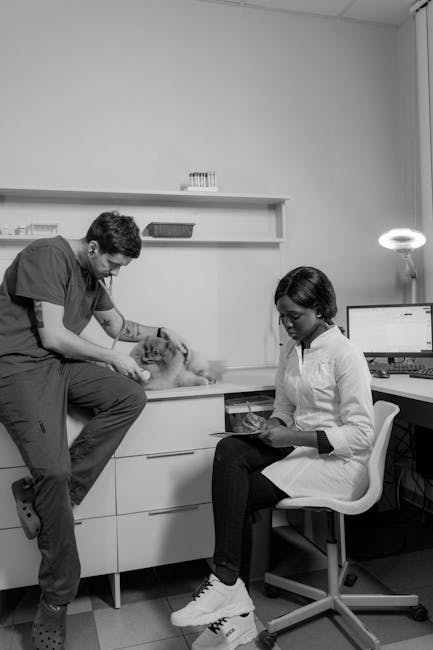
whipworms in dogs diagnosis treatment overview for pet owners
Introduction
Whipworms in dogs diagnosis treatment overview for pet owners provides essential information about a common intestinal parasite that affects dogs. Whipworms are small worms that live in the large intestine and can cause discomfort and health issues if left untreated. While primarily a concern for dogs, understanding parasite control is important for the well-being of your pet and your household.
Reviewed by SASI Vet Parasite Editorial Board.
Parasite control matters because:
- It helps keep your dog comfortable and healthy.
- It prevents potential complications from untreated infections.
- It reduces the risk of environmental contamination.
- It supports overall pet wellness and longevity.
It is important to remember that this overview does not replace professional veterinary advice. Diagnosing and treating whipworms requires a veterinarian’s expertise. Parasite control plans should always be developed in consultation with your veterinarian, who can recommend appropriate testing and safe, effective treatments tailored to your dog’s needs.
What this parasite is
Whipworms are a type of intestinal worm that can live in dogs. These parasites are small, slender worms that attach themselves to the lining of your dog’s large intestine. They survive by feeding on the blood and tissue fluids in this area, which can sometimes cause irritation and discomfort for your pet.
Whipworms have a unique whip-like shape, with a thin front end that anchors into the intestine and a thicker back end. They complete their life cycle inside the dog’s digestive system, where they lay eggs that are passed in the stool. These eggs can survive in the environment for a long time, making it easy for dogs to become infected again if they come into contact with contaminated soil or surfaces.
Understanding whipworms in dogs diagnosis treatment overview for pet owners is important because these parasites can affect your dog’s health if left untreated. However, with the right veterinary guidance, effective parasite control plans can be developed to keep your dog healthy and comfortable.
How pets become infected or exposed
Whipworms in dogs diagnosis treatment overview for pet owners begins with understanding how pets become infected. Whipworms are intestinal parasites that dogs typically pick up from their environment. The parasite’s eggs are passed in the stool of infected animals and can survive in soil for months, making outdoor areas a common source of exposure.
Common ways pets become infected include:
- Contact with contaminated soil or grass where infected animals have defecated
- Access to areas frequented by wildlife or other dogs carrying whipworms
- Ingesting dirt or objects contaminated with parasite eggs
Risk factors that increase the chance of infection include:
- Regular outdoor access, especially in parks, dog runs, or wooded areas
- Close contact with other dogs or animals that may be infected
- Lack of consistent parasite prevention or irregular veterinary check-ups
Because whipworm eggs can persist in the environment, even well-cared-for pets can be at risk. The best approach to protecting your dog is to work with your veterinarian to develop a parasite control plan tailored to your pet’s lifestyle and health needs.
Typical signs and symptoms
Whipworms in dogs diagnosis treatment overview for pet owners often begins with recognising common signs that your dog may be affected. Whipworm infections can sometimes be subtle or even silent in the early stages, so it’s important to watch for any changes in your pet’s health.
Common signs you might notice at home include:
- Diarrhea, which may be intermittent or persistent
- Weight loss despite a normal appetite
- Fatigue or decreased energy levels
- Occasional vomiting
- Signs of dehydration, such as dry gums or sunken eyes
Unlike some parasites that cause visible skin issues, whipworms primarily affect the digestive system, so skin symptoms are uncommon. Because symptoms can be mild or mistaken for other conditions, a veterinary examination is essential for accurate diagnosis and appropriate treatment.
Remember, parasite control plans should always be developed in partnership with your veterinarian to ensure your dog’s health and safety. If you notice any of these signs or have concerns about your pet’s well-being, consult your veterinarian promptly.
When it may be an emergency
Whipworms in dogs diagnosis treatment overview for pet owners highlights the importance of recognising when your dog needs urgent veterinary care. While many cases of whipworm infection can be managed with proper veterinary guidance, some signs indicate a potentially serious situation requiring immediate attention.
If your dog shows any of the following symptoms, contact your veterinarian right away or visit an emergency clinic:
- Severe lethargy or weakness
- Difficulty breathing or rapid breathing
- Pale or white gums, which may suggest blood loss or anaemia
- Heavy vomiting or persistent diarrhoea, especially if it contains blood
- Collapse or inability to stand
- Signs of severe blood loss, such as dark or tarry stools
These signs can indicate complications from whipworm infection or other serious health issues. Prompt veterinary evaluation is essential to ensure your dog receives appropriate care.
Remember, parasite control plans are best developed in partnership with your veterinarian, who can tailor prevention and treatment to your dog’s specific needs. Never attempt to diagnose or treat whipworm infections at home without professional advice.
How veterinarians diagnose parasite problems
If you suspect your dog may have whipworms or other parasites, a veterinarian will perform a thorough investigation to identify the issue. Diagnosing whipworms in dogs diagnosis treatment overview for pet owners begins with a detailed physical exam, where the vet checks your pet’s overall health and looks for signs of parasite infection.
To confirm the presence of parasites, the veterinarian may use several diagnostic tools, including:
- Fecal tests: Examining stool samples under a microscope to detect parasite eggs or larvae.
- Skin scrapings: Collecting small skin samples to check for external parasites.
- Blood tests: Assessing your dog’s blood for signs of infection or related health issues.
- Imaging: Using X-rays or ultrasound to evaluate internal organs if needed.
These tests help the veterinarian understand the type and severity of the parasite problem. It’s important to remember that only a licensed veterinarian can interpret these results and recommend an appropriate parasite control plan tailored to your dog’s needs. Avoid attempting home treatments without professional guidance, as effective parasite management requires veterinary expertise.
General treatment approaches
When it comes to whipworms in dogs diagnosis treatment overview for pet owners, understanding the general strategies used by veterinarians can help you feel more confident in managing your pet’s health. Treatment typically involves a combination of targeted parasite control and supportive care tailored to your dog’s specific needs.
Common approaches include:
- Prescription parasite control products: Veterinarians select appropriate medications designed to eliminate whipworms effectively. These products are chosen based on your dog’s health status and the severity of the infection.
- Supportive care: Depending on symptoms, your vet may recommend measures to support hydration, nutrition, and overall recovery.
- Follow-up testing: To ensure the treatment has been successful, follow-up stool tests or examinations may be necessary. This helps confirm that the whipworms have been cleared and guides any further care.
It’s important to remember that only a licensed veterinarian can determine the right product and treatment plan for your dog. Avoid using over-the-counter or home remedies without veterinary guidance, as these may be ineffective or unsafe. Regular veterinary check-ups and parasite prevention plans are key to keeping your dog healthy and free from whipworms.
Home care and cleaning the environment
When managing whipworms in dogs diagnosis treatment overview for pet owners, home care plays an important role in supporting your pet’s recovery and preventing reinfection. Alongside following your veterinarian’s advice, keeping your dog’s environment clean helps reduce the risk of parasite eggs lingering around.
Here are some safe and effective steps you can take at home:
- Wash bedding regularly: Use hot water to wash your dog’s bedding and blankets to remove any parasite eggs.
- Vacuum frequently: Vacuum carpets, rugs, and floors to pick up eggs and debris. Dispose of vacuum bags or empty canisters promptly.
- Clean outdoor areas: Remove feces from your yard daily to limit environmental contamination.
- Check other pets: Have all pets examined by your veterinarian to ensure they are not infected or at risk.
- Maintain litter boxes: If you have cats, clean litter boxes regularly to prevent cross-contamination.
Always avoid using harsh chemicals or human cleaning products without veterinary guidance, as these can be harmful to pets. Remember, parasite control plans are best created and monitored by your veterinarian to ensure safe and effective treatment for your dog.
Preventing future infestations
Managing whipworms in dogs diagnosis treatment overview for pet owners highlights the importance of ongoing prevention to keep your dog healthy and comfortable. While treatment can clear an existing infection, preventing reinfestation requires a consistent approach tailored to your pet’s lifestyle and environment.
Here are key strategies to help reduce the risk of future whipworm infestations:
- Regular veterinary checkups: Routine exams allow your veterinarian to monitor your dog’s health and recommend parasite testing as needed.
- Appropriate parasite prevention products: Use parasite control products recommended by your veterinarian. These are designed to target specific parasites, including whipworms, and should be used year-round or as advised.
- Environmental control: Keep your dog’s living areas clean and dry. Remove feces promptly to reduce the chance of parasite eggs contaminating the environment.
- Routine monitoring: Watch for any signs of digestive upset or changes in behaviour and report concerns to your veterinarian promptly.
- Safe outdoor habits: Avoid areas known to be heavily contaminated with feces from other animals, and discourage your dog from eating soil or faeces.
Remember, parasite control is an ongoing process best managed with your veterinarian’s guidance. Together, you can develop a plan that fits your dog’s needs and lifestyle, helping to protect them from whipworms and other parasites.
Risks to other pets and people
Whipworms in dogs diagnosis treatment overview for pet owners often includes understanding how these parasites can affect not only the infected dog but also other pets and, in rare cases, people. Whipworms primarily infect dogs and are passed through contaminated soil or feces. While they are not considered a common risk to humans, it is important to be aware of potential transmission routes.
Other pets in the household, especially dogs, can become infected if they come into contact with contaminated environments. Cats and other animals are less commonly affected by whipworms but maintaining good hygiene and regular parasite control is essential for all pets.
To reduce risks:
- Clean up dog feces promptly and dispose of it safely.
- Prevent dogs from eating soil or feces during walks or playtime.
- Maintain regular veterinary check-ups and parasite prevention plans tailored to your pet’s needs.
If you have concerns about the health of other pets or potential risks to people in your household, including children or individuals with weakened immune systems, please consult your veterinarian or physician. They can provide guidance based on the latest evidence and your specific situation.
FAQs
What are whipworms in dogs?
Whipworms are intestinal parasites that can affect dogs, causing irritation and sometimes more serious digestive issues. They are small, thread-like worms that live in the large intestine.
How do veterinarians diagnose whipworms in dogs?
Diagnosis usually involves examining a stool sample under a microscope to look for whipworm eggs. Because eggs may not appear in every sample, your veterinarian might recommend multiple tests or additional methods to confirm the presence of whipworms.
What treatment options are available for whipworms in dogs?
Treatment typically involves medications prescribed by a veterinarian to safely eliminate the worms. It’s important to follow your veterinarian’s guidance and complete the full course of treatment to ensure all parasites are removed.
Can whipworms be prevented?
- Regular veterinary check-ups and stool testing
- Consistent parasite control plans tailored by your veterinarian
- Good hygiene and prompt removal of dog waste from your yard
- Avoiding areas known to be contaminated with parasites
Is whipworm infection dangerous for my dog?
Many dogs with whipworms show mild or no symptoms, but heavy infections can cause diarrhea, weight loss, and discomfort. Early detection and treatment help keep your dog healthy and comfortable.
If you have concerns about whipworms in dogs diagnosis treatment overview for pet owners, always consult your veterinarian for advice tailored to your pet’s needs.
Summary
Whipworms in dogs diagnosis treatment overview for pet owners highlights the importance of early recognition and timely veterinary care. Whipworm infections can cause discomfort and health issues, but with prompt attention, many dogs recover well.
Key points to remember:
- Watch for signs such as diarrhoea, weight loss, or lethargy, and seek veterinary advice if you notice these symptoms.
- A veterinarian will perform appropriate tests to confirm the presence of whipworms and recommend a tailored treatment plan.
- Treatment typically involves medications prescribed by your veterinarian; never attempt to treat your dog without professional guidance.
- Long-term prevention is essential and usually includes regular parasite control measures developed in partnership with your veterinarian.
By working closely with your veterinary team, you can help protect your dog from whipworms and support their overall health. Remember, early detection and consistent prevention are the best ways to keep your furry friend happy and comfortable.
Additional Resources
- Canadian Veterinary Medical Association
- American Veterinary Medical Association
- World Small Animal Veterinary Association (WSAVA)
- Centers for Disease Control and Prevention – Parasites
- UC Davis Veterinary Medicine Teaching Hospital
Disclaimer: This article provides general information about parasites and parasite prevention for pets and does not replace professional veterinary advice. Always talk to a licensed veterinarian about your pet’s specific situation.