Feeding guide for multi dog households

Share
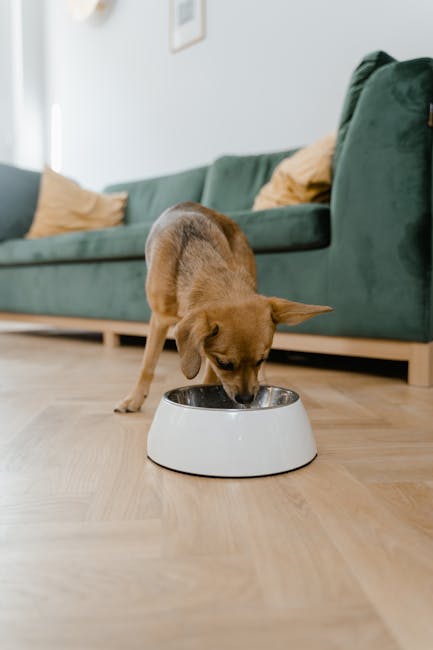
feeding guide for multi dog households
Introduction
Feeding multiple dogs in the same household can present unique challenges and opportunities. This feeding guide for multi dog households is designed to help pet owners understand general principles that may support the health and wellbeing of their dogs. It applies to dogs of all ages, including puppies, adults, and seniors, as well as those with specific dietary needs.
Proper feeding is important because it can influence your dogs’ energy levels, growth, and long-term health. Each dog might have different nutritional requirements based on age, size, activity level, and health status. Feeding them correctly could help prevent issues such as obesity, nutrient deficiencies, or conflicts during mealtime.
Why Feeding Matters
- Supports healthy growth and development
- Maintains energy and vitality
- Promotes a strong immune system
- Helps manage weight and prevent disease
This guide offers general advice and should not replace professional veterinary guidance. Because every dog is unique, it is important to consult a licensed veterinarian or a qualified veterinary nutrition professional for personalized feeding recommendations tailored to your pets’ specific needs.
Reviewed by the SASI Vet Nutrition & Feeding Guides Editorial Board.
Understanding your pet’s nutritional needs
Meeting the nutritional needs of dogs and cats is essential for their overall health and well-being. Key nutrients include energy, protein, fats, carbohydrates, vitamins, and minerals, each playing a vital role in maintaining bodily functions and supporting growth or maintenance.
Essential Nutrients
- Energy: Provided mainly by fats and carbohydrates, energy fuels daily activities and bodily processes.
- Protein: Important for muscle development, tissue repair, and immune function.
- Fats: Support skin and coat health, as well as provide concentrated energy.
- Carbohydrates: Can be a source of energy and fiber, aiding digestion.
- Vitamins and minerals: Necessary for metabolic processes, bone health, and overall vitality.
Factors Influencing Nutritional Needs
Age, size, activity level, body condition, and any medical conditions might influence what and how much a pet should eat. For example, puppies and kittens often require more protein and calories for growth, while senior pets may need adjusted nutrient levels to support aging bodies.
In multi dog households, balancing these needs can be complex. A feeding guide for multi dog households may help ensure each pet receives appropriate nutrition without overfeeding or underfeeding.
Because individual needs can vary widely, consulting a veterinarian or a qualified veterinary nutrition professional is recommended to develop a feeding approach tailored to your pets’ unique requirements.
Choosing appropriate food for this feeding guide
When managing a feeding guide for multi dog households, selecting the right type of food is important to meet the needs of all dogs involved. Life-stage diets may be helpful, as puppies, adults, and senior dogs often have different nutritional requirements. Choosing a diet formulated for the specific life stage of each dog can support their overall health.
Complete and balanced diets
Look for commercial diets labeled as “complete and balanced,” which means they provide all essential nutrients in appropriate amounts. These diets are designed to support general health and may be suitable for most dogs in a multi dog household.
Wet vs dry food
Both wet and dry foods have benefits. Dry food can help with dental health and is convenient, while wet food may be more palatable and provide additional moisture. Some households use a combination to suit different preferences or needs.
Special veterinary diets
In some cases, dogs may require special veterinary diets due to health conditions. These diets should only be used under the guidance of a veterinarian or a qualified veterinary nutrition professional.
Always read the food label carefully and consult your veterinarian to choose the most appropriate food for your multi dog household. They can help tailor recommendations based on your dogs’ individual health and nutritional needs.
How much to feed and how often
Feeding guide for multi dog households can be a helpful starting point when deciding how much food to offer each dog. Package guidelines often provide general portion sizes based on weight ranges, but these should be adjusted according to your dogs’ individual needs and activity levels.
Monitoring your dogs’ body condition score is an effective way to ensure they are maintaining a healthy weight. If you notice any changes in their body shape or energy, it might be time to reassess their food portions.
Feeding frequency
Typical feeding patterns vary by age and lifestyle. Puppies and kittens often benefit from several small meals throughout the day to support their growth and energy needs. Adult dogs usually do well with one or two regular meals daily.
Consulting your veterinarian
Your veterinarian can provide guidance tailored to each dog in your household, especially if they have special health considerations. They may suggest adjustments in portion sizes or feeding schedules to help maintain optimal health.
- Use package feeding guidelines as a starting point
- Adjust portions based on body condition and activity
- Feed puppies multiple small meals daily
- Feed adult dogs one or two meals per day
- Consult a veterinarian for personalized advice
Healthy feeding routines and practical tips
Establishing a consistent feeding routine is important in a multi dog household to help reduce stress and promote good eating habits. Feeding your dogs in a calm, quiet space can minimize competition and distractions during mealtime.
Using clean bowls for each dog is essential to maintain hygiene and prevent the spread of germs. In some cases, separating pets that compete for food by feeding them in different areas or rooms might be helpful to avoid conflicts.
Portion control and treat management
Measuring portions carefully can help maintain a healthy weight and prevent overeating. Avoid allowing constant access to treats, as this may lead to excessive calorie intake and disrupt balanced nutrition.
Additional feeding tools and hydration
Slow feeders or puzzle feeders might be useful for dogs that eat too quickly or need extra mental stimulation during meals. Always ensure fresh water is available at all times to keep your pets well hydrated.
Remember, every household and dog is unique. For personalized advice on a feeding guide for multi dog households, consulting a licensed veterinarian or a qualified veterinary nutrition professional is recommended.
Treats, snacks, and what to avoid
When managing a feeding guide for multi dog households, treats and snacks can be a helpful tool for training and bonding. However, it’s important to keep treats to a small portion of your pets’ daily calorie intake to maintain a balanced diet. Overfeeding treats might contribute to unwanted weight gain or nutritional imbalances.
Choosing safe treats
Opt for treats that are specifically made for dogs or cats, as these are formulated to be safe and nutritious. In some cases, simple options like small pieces of cooked lean meat or certain vegetables might be suitable, but always introduce new treats gradually and watch for any adverse reactions.
Foods to avoid
Some human foods can be toxic or dangerous to dogs and cats and should be strictly avoided. These include:
- Chocolate
- Onions and garlic
- Certain artificial sweeteners, such as xylitol
- Alcohol
- Cooked bones or bones that might splinter
Feeding any of these could cause serious health issues. If you suspect your pet has ingested something harmful, contact a veterinarian promptly.
Always consult with a licensed veterinary professional for personalized advice on treats and snacks, especially when caring for multiple dogs with different needs.
Signs that a feeding plan may not be working
In multi dog households, a feeding guide for multi dog households may need adjustments if you notice certain signs in your pets. These signs could indicate that the current feeding plan might not be meeting their nutritional needs or that some dogs are not getting the right amount of food.
Physical and health changes
Unwanted weight gain or loss is often one of the first signs that a feeding plan may not be effective. Additionally, dogs might show low energy levels or develop a dull coat, which could suggest nutritional imbalances. digestive upset, such as vomiting or diarrhea, might also occur in some cases.
Changes in stool and behavior
Changes in stool consistency or frequency can be a signal that the diet is not agreeing with your dogs. Behavioral changes around food, such as increased aggression, guarding, or anxiety during feeding times, might also indicate that the feeding routine needs review.
Tracking these changes carefully can help you understand if the feeding plan is suitable for your dogs. If you observe any of these signs, it is important to consult a veterinarian for personalized advice and to ensure your pets’ health and well-being are supported.
Special situations where extra guidance is needed
Feeding guide for multi dog households can be helpful in many cases, but certain situations may require more individualized veterinary advice. These special circumstances often involve unique nutritional needs that a general guide cannot fully address.
Growth, pregnancy, and lactation
Very young animals who are still growing, as well as pregnant or lactating dogs, might have increased or specialized nutritional requirements. These stages of life often need careful monitoring and tailored feeding plans to support health and development.
Medical conditions and body weight concerns
Pets with serious medical conditions or those who are very underweight or overweight could benefit from a diet designed specifically for their health status. In some cases, prescription diets may be recommended by a veterinarian to manage these issues safely.
Importance of professional guidance
Only a licensed veterinarian or a qualified veterinary nutrition professional can design a feeding plan that meets the unique needs of your pets in these special situations. It is important to seek their advice rather than relying solely on general feeding guides.
FAQs
How quickly should I change foods in a multi dog household?
When changing your dogs’ food, it’s generally best to do so gradually over 7-10 days. Mixing increasing amounts of the new food with the old can help reduce digestive upset. This approach may be especially important when managing multiple dogs with different sensitivities.
Is it okay to mix wet and dry food for multiple dogs?
Mixing wet and dry food can be acceptable and may provide variety and hydration. However, each dog’s preferences and dietary needs might differ, so observe how each dog responds. Feeding separately or monitoring intake could help ensure all dogs get the nutrition they need.
How can I handle picky eating in a multi dog household?
Picky eating can be common and might vary between dogs. Offering meals at regular times and avoiding free feeding may encourage better eating habits. If one dog is consistently refusing food, consulting a veterinarian can help rule out health issues.
When should I worry about changes in my dogs’ appetite?
Appetite changes might occur occasionally due to stress or environmental changes. However, if a dog in your multi dog household shows a persistent loss of appetite or other concerning signs, it’s important to seek veterinary advice promptly to ensure there are no underlying health problems.
Summary
Feeding multiple dogs in the same household requires careful attention to ensure each pet receives a balanced and appropriate diet. It is important to provide separate feeding areas or bowls to help reduce competition and stress during mealtime. Monitoring each dog’s body condition and behavior can offer valuable insights into their nutritional status and overall well-being.
Key principles to keep in mind include:
- Offering diets that meet the individual needs of each dog, considering factors like age, size, and activity level.
- Observing eating habits to identify any signs of food guarding, anxiety, or changes in appetite.
- Adjusting feeding routines as needed to promote harmony and prevent over- or underfeeding.
Regular veterinary checkups are essential to assess health and nutritional status, and to make any necessary adjustments to feeding plans. Working closely with your veterinary team can help ensure that all dogs in a multi dog household thrive in a safe and supportive environment. Remember, each pet’s needs might differ, so personalized advice from a professional is always recommended.
- Canadian Veterinary Medical Association
- American Veterinary Medical Association
- World Small Animal Veterinary Association
- European Pet Food Industry bodies
- Major veterinary teaching hospitals
Disclaimer: This article provides general information about pet nutrition and feeding and does not replace professional veterinary advice. Always consult a licensed veterinarian regarding your pet’s specific needs.