
Supplements for cats with occasional digestive upset

Share
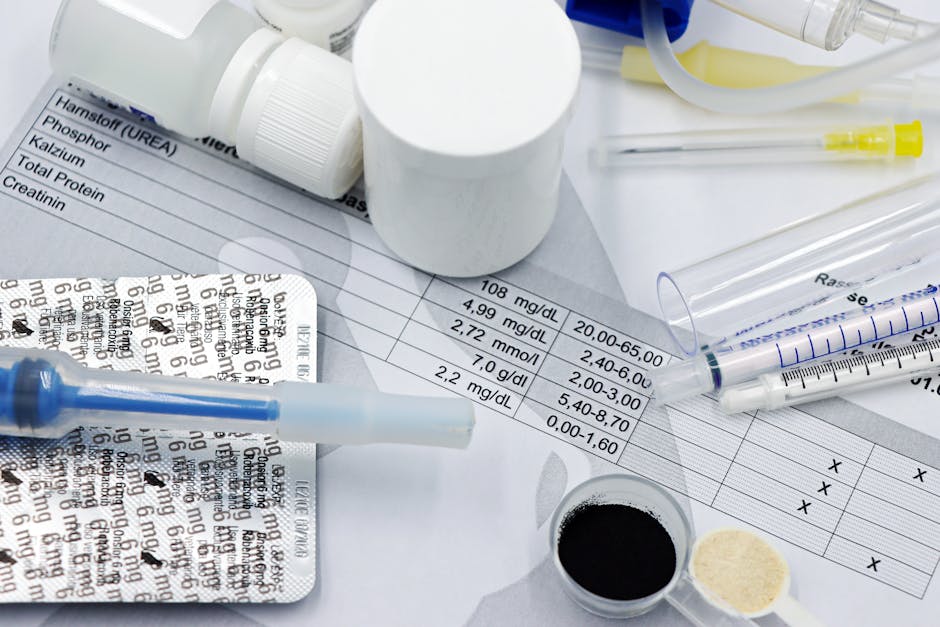
Supplements for cats with occasional digestive upset
Introduction
Nutritional Supplements for dogs and cats are designed to support various aspects of your pet’s health. These products may include joint support supplements, skin and coat enhancers, digestive aids, and general wellness formulas. While supplements can be helpful in some cases, they are not a substitute for a balanced diet or professional veterinary care.
This article focuses on supplements for cats with occasional digestive upset, aiming to provide clear and simple information about how these products might support your cat’s digestive health. It is important to remember that supplements should be used cautiously and under the guidance of a veterinarian.
Reviewed by the SASI Vet Nutrition & Supplements Editorial Board.
What Supplements Can Do
- Support joint mobility and comfort
- Promote healthy skin and a shiny coat
- Help maintain digestive balance
- Contribute to overall wellness
Supplements may offer benefits in some situations, but they do not replace veterinary diagnosis or treatment. Always consult a licensed veterinarian before starting any new supplement, especially if your pet has ongoing health concerns. This information is educational only and not intended to diagnose or treat any condition.
What are pet nutritional supplements?
Pet nutritional supplements are products designed to provide additional nutrients or support specific body systems in animals. They are intended to complement a pet’s regular diet, not replace it. These supplements may help address occasional nutritional gaps or support overall health in some cases.
Common forms of supplements
Supplements for cats with occasional digestive upset and other health concerns come in various forms to suit different preferences and needs. Common types include:
- Chews or treats
- Liquids or syrups
- Powders that can be mixed with food
- Capsules or tablets
Each form offers a convenient way to add specific nutrients or beneficial ingredients to your pet’s diet. However, it is important to remember that these supplements are not complete diets on their own.
Important considerations
While supplements might support your pet’s health, they should be used cautiously and under the guidance of a veterinarian. A balanced, complete diet remains the foundation of good nutrition. If you are considering supplements for cats with occasional digestive upset or other issues, consulting a veterinary professional can help ensure safe and appropriate use tailored to your pet’s needs.
Common types of supplements for dogs and cats
Supplements for cats with occasional digestive upset and other pets often fall into several broad categories. Each type is designed to support specific aspects of health and well-being, though their effects can vary between individual animals.
Joint and mobility support
These supplements typically contain ingredients that may help maintain healthy cartilage and joint function. They might be useful for pets experiencing stiffness or mild mobility challenges.
Skin and coat support
Formulated to promote healthy skin and a shiny coat, these supplements often include fatty acids and vitamins that could improve skin hydration and reduce shedding.
Digestive health
This category includes probiotics and fiber supplements that may support a balanced gut environment and regular digestion. They can be helpful for pets with occasional digestive upset or irregular bowel movements.
Urinary support
Supplements aimed at urinary health might help maintain a healthy urinary tract environment, which is important for preventing discomfort and infections in some pets.
Immune support
Immune-supporting supplements often contain antioxidants and vitamins that could help strengthen the body’s natural defenses against illness.
Calming supplements
These products may assist pets in managing stress or anxiety by promoting relaxation without sedation.
General multivitamins
Multivitamin supplements provide a range of essential nutrients that might help fill dietary gaps and support overall health.
Because each pet’s needs are unique, it’s important to consult a veterinarian before starting any supplement regimen to ensure safety and appropriateness.
When supplements may be considered
Supplements for cats with occasional digestive upset and other mild concerns might be considered as part of overall care. In some cases, owners notice changes such as aging joints, dry skin, or a dull haircoat that prompt questions about nutritional support.
Other situations where supplements may be helpful include:
- Mild digestive upset that occurs occasionally
- Stressful events like travel or changes in environment
- Periods of increased activity or recovery from minor strain
It is important to understand that supplements could support general well-being but are not a substitute for proper diagnosis or treatment of medical conditions. If your cat shows persistent or severe symptoms, a veterinarian’s evaluation is essential.
Before starting any supplement, consulting a licensed veterinary professional is recommended. They can help determine if supplements might be appropriate and guide you on safe use tailored to your cat’s needs.
Safety considerations and potential risks
Even supplements marketed as natural or nutritional can have side effects or interact with medications your pet may be taking. This is especially important when considering supplements for cats with occasional digestive upset, as their digestive systems can be sensitive to certain ingredients.
Overdosing is a risk when multiple products contain overlapping ingredients, which might lead to unintended effects. Additionally, poor-quality manufacturing or misleading labels can result in inconsistent ingredient amounts or contaminants.
Key points to keep in mind:
- Supplements might not be appropriate for every cat and could worsen some health conditions.
- Human supplements are not formulated for pets and should only be used under veterinary guidance.
- Always inform your veterinarian about any supplements your cat is receiving to avoid harmful interactions.
Because of these potential risks, it is best to consult a licensed veterinarian before starting any new supplement. They can help determine if a supplement might be safe and beneficial for your cat’s specific needs.
Working with your veterinarian on supplements
When considering supplements for cats with occasional digestive upset, it is important to work closely with your veterinarian. They can review your cat’s medical history and current medications to ensure any supplement use is safe and appropriate.
Your veterinarian might suggest evidence-based supplement options that could support your cat’s digestive health. Setting clear goals together helps monitor any changes and decide if the supplement is beneficial.
Preparing for your appointment
Bringing product labels or photos of supplements you are interested in can be very helpful. This allows your veterinarian to evaluate the ingredients and discuss potential benefits or limitations.
Questions to ask your veterinarian
- Could this supplement be helpful for my cat’s occasional digestive upset?
- Are there any risks or interactions with current medications?
- What signs should I watch for to know if the supplement is working or causing issues?
- How long should I try the supplement before reassessing?
Remember, supplements might support digestive health in some cases but should not replace professional veterinary care. Always consult your veterinarian for personalized advice tailored to your cat’s needs.
How to read supplement labels and choose products
When selecting supplements for cats with occasional digestive upset, it is important to carefully read the product labels. Start by looking at the active ingredients to understand what the supplement contains and how it might support your cat’s digestive health.
Check for clear dosing instructions to ensure safe use. Proper guidance on how much and how often to give the supplement can help avoid accidental overuse or underuse.
Key label details to consider:
- Active ingredients and their amounts
- Clear dosing instructions
- Batch or lot numbers for quality tracking
- Expiry or best-before dates to ensure freshness
- Contact information for the manufacturer or distributor
Choose products specifically formulated for dogs and cats, as their nutritional needs differ from other animals. Focus on quality and consistency rather than marketing claims or flashy packaging, as these do not guarantee effectiveness.
Remember, supplements might support digestive health in some cases but should not replace veterinary care. Always consult your veterinarian before starting any new supplement to ensure it is appropriate for your pet’s individual needs.
Monitoring your pet while using supplements
When giving supplements for cats with occasional digestive upset, it’s important to carefully observe your pet’s response. Changes in appetite, energy levels, and mobility might provide clues about how well the supplement is working or if any side effects are occurring.
What to watch for
Keep an eye on your cat’s stool quality, as this can be a direct indicator of digestive health. Also, note any changes in skin condition or behaviour, such as increased scratching, lethargy, or restlessness. These signs could suggest that the supplement is not well tolerated or that further evaluation is needed.
Keeping a simple log
Maintaining a brief daily record of your observations can be very helpful. Include notes on appetite, activity, stool appearance, and any unusual behaviours. This log can assist your veterinarian in assessing your cat’s progress and deciding if adjustments are necessary.
If you notice any worsening symptoms or no improvement after a reasonable period, it’s best to consult your veterinarian. They can provide guidance tailored to your cat’s specific needs and ensure the safest approach to managing digestive health.
FAQs
Do all cats need a multivitamin?
Not all cats require a multivitamin if they are eating a balanced, complete diet. In some cases, supplements might be helpful, especially for cats with specific health concerns. It’s best to consult a veterinarian before adding any multivitamin to your cat’s routine.
Is it safe to combine different supplements?
Combining supplements can sometimes be safe, but it depends on the ingredients and your cat’s health status. Some supplements might interact or cause side effects if given together. Always check with a veterinary professional before mixing supplements.
How long can a cat stay on a supplement?
The duration for using supplements varies based on the reason for supplementation and your cat’s response. Some supplements may be used short-term, while others might be safe for longer periods. Regular veterinary check-ups can help determine the appropriate length of use.
Can supplements replace prescription diets or medications?
Supplements for cats with occasional digestive upset might support digestive health, but they should not replace prescribed diets or medications. Prescription treatments are designed for specific conditions and should be followed as directed by your veterinarian.
When should I contact a veterinarian about supplements?
If your cat shows ongoing digestive issues or you’re unsure about using supplements, it’s important to seek veterinary advice. A professional can help tailor a safe and effective plan based on your cat’s individual needs.
Summary
Supplements for cats with occasional digestive upset may offer supportive benefits alongside a balanced diet. They could help promote digestive comfort and overall gut health in some cases, but they are not a substitute for professional veterinary care.
Maintaining a well-rounded diet tailored to your cat’s needs remains essential. Nutritional supplements might complement this by addressing specific digestive concerns, but their effects can vary depending on the individual cat.
Key Points to Remember
- Supplements might support digestive health but should be used cautiously.
- Always consult a veterinarian before starting any new supplement regimen.
- Careful monitoring of your cat’s response is important to ensure safety and effectiveness.
- Supplements do not replace veterinary diagnosis or treatment when needed.
Working closely with your veterinary team can help you make informed decisions about supplements for cats with occasional digestive upset. This collaborative approach ensures your cat receives the best possible care in a calm and supportive way.
- Canadian Veterinary Medical Association
- American Veterinary Medical Association
- World Small Animal Veterinary Association
- European Veterinary Nutrition Groups
- Major Veterinary Teaching Hospitals
Disclaimer: This article provides general information about nutritional supplements for pets and does not replace professional veterinary advice. Always consult a licensed veterinarian regarding your pet’s specific needs.