
Cats swatting during nail trimming

Share
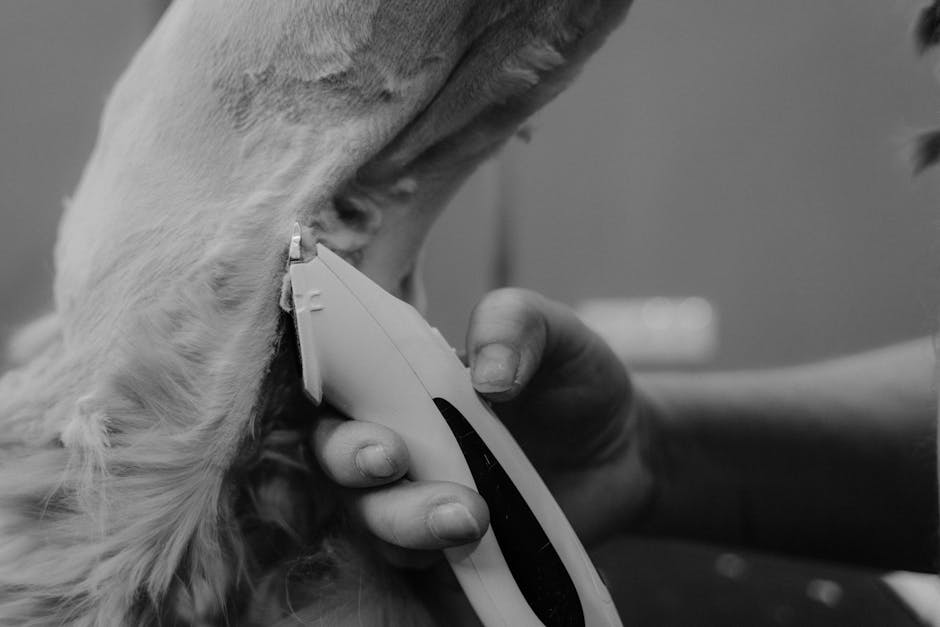
cats swatting during nail trimming
Introduction
Many pet owners may experience their cats swatting during nail trimming, which can be surprising and concerning. It’s important to understand that this behavior is a form of communication and a safety signal from your cat. Aggression in pets, including swatting, can arise from fear, discomfort, or stress, and it is not a diagnosis of a behavior disorder.
When a cat swats, it often indicates that they are feeling overwhelmed or threatened. Recognizing this behavior is crucial for ensuring a safe and positive experience for both you and your pet. Instead of viewing swatting as a negative trait, consider it an opportunity to better understand your cat’s needs and feelings.
By approaching nail trimming with patience and care, you can help create a more comfortable environment for your cat. This may involve gradual desensitization to the process or finding ways to make the experience more enjoyable for them. Remember, the goal is to foster a trusting relationship with your pet while prioritizing safety for everyone involved.
Reviewed by the SASI Vet Behavior & Aggression Editorial Board.
What aggression may look like
When handling cats, especially during activities like nail trimming, it’s important to be aware of their body language and vocalizations. Some cats may express discomfort or stress through various observable behaviours. For instance, you might hear growling or hissing, which can indicate that your cat is feeling threatened or anxious. Additionally, a stiff posture can be a sign that your cat is on high alert and not comfortable with the situation.
Other signs to watch for include avoidance behaviours, such as trying to move away or hiding. If your cat is snapping or swatting, it may be a way of communicating that they need space or that they are feeling overwhelmed. Retreating to a safe spot is another common response when a cat feels uneasy.
Understanding these behaviours can help create a more positive experience for both you and your cat during nail trimming. By recognizing and respecting their signals, you can work towards a calmer environment that prioritizes their comfort and safety.
Situations where pets may show Aggressive behaviour
Understanding the triggers that can lead to aggressive behaviour in pets is essential for creating a safe environment for both them and their owners. Common situations include fear and discomfort, which can arise during activities like grooming or nail trimming. For instance, many cats swatting during nail trimming may be expressing their unease with the process, feeling restrained, or simply not enjoying the sensation of having their paws handled.
Resource tension can also lead to aggression, especially if pets feel their food, toys, or space are threatened. This is often seen in multi-pet households where competition for resources can escalate into conflict. Additionally, unfamiliar visitors can provoke Anxiety in pets, leading them to react defensively. Sudden changes in their environment, such as moving to a new home or the arrival of a new family member, can also trigger stress and result in aggressive behaviours.
Recognizing these triggers is the first step in fostering a calm and safe atmosphere for your pets. By being aware of their feelings and providing a supportive environment, you can help them feel more secure and reduce the likelihood of aggressive responses.
Why punishment can make things worse
When it comes to handling cats swatting during nail trimming, it’s essential to understand that using intimidation or punishment can lead to increased fear and anxiety. Cats are sensitive creatures, and negative experiences can create lasting associations that make future grooming sessions even more challenging.
Instead of resorting to corrections or dominance-based techniques, which can escalate aggression and stress, it’s beneficial to create a calm and controlled environment. This approach fosters trust and helps your cat feel safe during the process. Gradual desensitization, where you introduce nail trimming in small, manageable steps, can be a more effective way to help your cat adjust.
Using positive reinforcement, such as treats or gentle praise, can encourage your cat to remain calm and cooperative. Remember, the goal is to make nail trimming a positive experience, reducing the likelihood of swatting or other defensive behaviors. By prioritizing kindness and patience, you can help your cat feel more comfortable and secure during grooming sessions.
How calm routines may support safety
Establishing calm routines can significantly enhance the safety and comfort of your cat during activities like nail trimming. Consistency in your approach helps create a predictable environment, which can reduce anxiety for your feline friend. When cats swatting during nail trimming occurs, it may be a sign that they feel overwhelmed or threatened. By maintaining a routine, you can help your cat feel more secure.
Creating safe spaces is another essential aspect. Designate a quiet area where your cat can retreat if they feel stressed. This space should be free from distractions and loud noises, allowing your cat to relax and regain composure. Additionally, consider introducing nail trimming gradually. Start by allowing your cat to explore the tools without any pressure, helping them associate the experience with positive feelings.
Supervision is crucial during these interactions. Always monitor your cat’s body language and be attentive to their comfort levels. If they show signs of distress, it’s important to pause and give them space. By prioritizing a calm and supportive environment, you can help your cat feel more at ease during nail trimming, reducing the likelihood of swatting and promoting a safer experience for both of you.
When aggression signals more serious concern
Understanding your cat’s behavior during nail trimming is essential for ensuring a safe and positive experience. While some cats may swat or show mild resistance, it’s important to recognize when these behaviors indicate a deeper issue. If you notice escalating intensity in your cat’s swatting, such as increased frequency or forcefulness, this could be a red flag. Sudden changes in behavior, like a previously calm cat becoming aggressive during nail trimming, should also be taken seriously.
Another critical sign to watch for is biting. If your cat resorts to biting as a means of communication during nail trimming, it may indicate that they are feeling overwhelmed or threatened. These behaviors can signal that your cat is experiencing significant stress or discomfort, and it’s crucial to address these concerns promptly.
If you observe any of these warning signs, consider seeking the guidance of a professional who specializes in feline behavior. They can help you understand your cat’s needs and develop a plan that prioritizes safety and comfort for both you and your pet.
Working with qualified professionals
When addressing concerns like cats swatting during nail trimming, it’s essential to collaborate with qualified professionals who can provide guidance tailored to your pet’s needs. Positive reinforcement trainers specialize in teaching cats desirable behaviors through rewards, helping to create a more positive experience during grooming sessions.
Veterinary behaviour professionals have a deep understanding of animal behavior and can assess your cat’s reactions in various situations. They can offer insights into why your cat may be swatting and suggest strategies to make nail trimming less stressful for both you and your feline friend.
Veterinarians play a crucial role in ensuring your cat’s overall health and well-being. They can help rule out any underlying medical issues that may contribute to your cat’s behavior during nail trimming. By working together with these professionals, you can create a safe and supportive environment that fosters positive experiences for your cat.
Remember, patience and understanding are key when addressing behavioral concerns. With the right support, you can help your cat feel more comfortable during nail trimming and strengthen your bond in the process.
FAQs
Why do cats swatting during nail trimming?
Cats may swat during nail trimming due to fear, discomfort, or stress. The sensation of having their paws handled can be unsettling for some cats, leading to defensive behaviors like swatting.
How can I make nail trimming easier for my cat?
Creating a calm environment is essential. Consider using treats and positive reinforcement to help your cat associate nail trimming with pleasant experiences. Gradually introducing the process can also help reduce anxiety.
Is it normal for my cat to resist nail trimming?
Yes, it is quite common for cats to resist nail trimming. Many cats are sensitive about their paws, and this resistance is a natural response. Patience and gentle handling can help ease their discomfort.
What should I do if my cat swats at me during nail trimming?
If your cat swats, it’s important to pause and give them space. Allow them to calm down before trying again. Ensuring your cat feels safe and secure is crucial for a positive experience.
Can I seek help from a professional?
Absolutely! If nail trimming is particularly challenging, consider consulting a professional groomer or a veterinarian who can provide guidance tailored to your cat’s needs.
Summary
When it comes to cats swatting during nail trimming, it’s important to understand that this behavior is often a form of communication. Cats may swat as a way to express discomfort, fear, or stress during what can be an uncomfortable experience for them. Recognizing this signal is the first step in ensuring a safer and more positive environment for both you and your feline friend.
To manage this situation calmly, consider creating a more relaxed atmosphere during nail trimming. You might try introducing the nail clippers gradually, allowing your cat to investigate them at their own pace. Providing treats and positive reinforcement can help your cat associate the process with something enjoyable.
If swatting continues to be a concern, seeking the guidance of a professional who specializes in feline behavior can be beneficial. They can offer tailored strategies to help your cat feel more at ease during grooming sessions. Remember, patience and understanding are key in fostering a trusting relationship with your cat.
Additionally, consider incorporating playtime and bonding activities into your routine. Engaging your cat in interactive play can help build trust and reduce anxiety, making them more comfortable during grooming sessions. The more positive experiences you create together, the more likely your cat will feel secure and relaxed during nail trimming.
Furthermore, maintaining a calm demeanor yourself can greatly influence your cat’s behavior. Cats are highly attuned to their owners’ emotions, so staying relaxed can help your cat feel more at ease. You might also explore different grooming tools that are designed to be less intimidating for your cat, ensuring that the experience is as pleasant as possible.
- Understanding Cat Behavior
- Positive Reinforcement Techniques
- Creating a Safe Environment for Pets
- Recognizing Signs of Stress in Cats
- Building Trust with Your Cat
Disclaimer: This article provides general information about pet aggression and does not replace professional evaluation.