
Cats swatting when surprised

Share
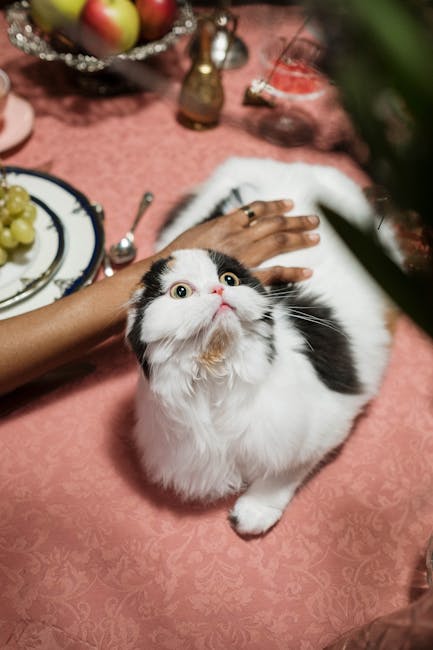
cats swatting when surprised
Introduction
It’s not uncommon for pet owners to observe their cats swatting when surprised. This behavior can be startling, but it’s important to understand that it is a natural response for many cats. Aggression in pets, including swatting, can manifest in various situations and is often a safety signal rather than an indication of a deeper behavioral issue.
When a cat feels threatened or startled, swatting can be a way to communicate discomfort or to establish boundaries. Recognizing these signals is crucial for ensuring a safe environment for both pets and people. It’s essential to approach these situations with calmness and understanding, as this can help reduce stress for your cat and foster a more positive interaction.
While it’s natural to be concerned when witnessing aggressive behaviors, remember that this article does not diagnose behavior disorders. Instead, it aims to provide insights into why cats may react in this way and how to create a supportive atmosphere that respects their needs and feelings.
Reviewed by the SASI Vet Behavior & Aggression Editorial Board.
What aggression may look like
Aggression in pets can manifest in various ways, and it’s important to recognize these behaviors to ensure everyone’s safety. For instance, you might observe a cat swatting when surprised, which can be a response to feeling threatened or startled. This behavior often accompanies other signs of discomfort.
Common observable behaviors include:
- Growling: A low, rumbling sound that indicates a pet may be feeling uneasy.
- Hissing: A sharp, breathy sound that often signals fear or irritation.
- Stiff posture: A rigid body stance can indicate that a pet is on high alert.
- Avoidance: Moving away or hiding can be a sign that a pet is trying to escape a perceived threat.
- Snapping: A quick, sudden movement towards another animal or person can indicate a warning.
- Retreating: Backing away from a situation or individual shows a desire to avoid confrontation.
Understanding these behaviors can help create a safer environment for both pets and people, allowing for more positive interactions.
Situations where pets may show aggressive behaviour
Understanding the common triggers for aggression in pets can help create a safer environment for both them and their humans. One situation that often leads to aggressive behaviour is when pets feel surprised or threatened. For instance, cats swatting when surprised can be a natural reaction to sudden movements or loud noises. This response is often rooted in their instinct to protect themselves.
Fear is another significant trigger. When pets encounter unfamiliar visitors or new environments, they may react defensively. Similarly, discomfort from physical ailments or environmental factors can lead to aggression as a way to communicate their distress.
Resource tension is also a common cause of aggressive behaviour. Pets may feel the need to guard their food, toys, or resting areas, leading to confrontational responses if they perceive a threat to their resources. Additionally, sudden changes in their routine or environment can create anxiety, prompting aggressive reactions as they struggle to adapt.
By recognizing these triggers, pet owners can take proactive steps to ensure a calm and secure atmosphere for their furry companions.
Why punishment can make things worse
When it comes to understanding our feline friends, it’s important to recognize that their behaviors, such as cats swatting when surprised, are often rooted in instinctual reactions. Using intimidation or punishment in response to these natural behaviors can lead to increased fear and anxiety in your cat.
When a cat feels threatened or startled, their instinct may be to swat as a defensive mechanism. If they are met with harsh corrections or dominance-based techniques, it can create a cycle of fear and mistrust. This not only affects their emotional well-being but can also escalate aggressive behaviors over time.
Instead of resorting to punitive measures, fostering a calm and controlled environment is essential. Providing safe spaces where your cat can retreat when feeling overwhelmed can help them feel secure. Encouraging positive interactions through gentle guidance and understanding can strengthen your bond and promote a more relaxed atmosphere.
By prioritizing kindness and patience, you can help your cat navigate their world with confidence, reducing the likelihood of swatting or other defensive behaviors when they are surprised.
How calm routines may support safety
Establishing consistent routines can significantly contribute to a cat’s sense of security, especially in situations where they might react unexpectedly, such as when cats swatting when surprised. A predictable environment helps reduce anxiety and allows your cat to feel more in control.
Creating safe spaces within your home is essential. These areas should be quiet and comfortable, allowing your cat to retreat when they feel overwhelmed. Providing vertical spaces, like cat trees or shelves, can also give them a sense of safety and a vantage point to observe their surroundings.
Introducing new experiences or pets slowly can help minimize stress. Gradual introductions allow your cat to acclimate at their own pace, reducing the likelihood of surprise reactions. Always supervise interactions, especially during the initial stages, to ensure a calm environment.
By focusing on routine consistency, safe spaces, and gradual introductions, you can foster a more relaxed atmosphere for your cat. This approach not only enhances their well-being but also promotes a harmonious relationship between you and your feline friend.
When aggression signals more serious concern
Understanding your cat’s behavior is essential, especially when it comes to aggression. While cats swatting when surprised can be a normal reaction, there are red flags that may indicate a more serious issue. If you notice an escalation in the intensity of swatting or if your cat begins to show aggression in situations where they previously did not, it may be time to take a closer look.
Sudden changes in behavior, such as increased hiding or avoidance, can also be a sign that something is amiss. Additionally, if your cat progresses from swatting to biting, this is a significant concern that warrants immediate attention. These behaviors can indicate stress, fear, or discomfort, and it’s important to address them promptly.
If you observe any of these warning signs, seeking the guidance of a professional who specializes in feline behavior can provide valuable insights. A calm and supportive approach can help you understand your cat’s needs and ensure a safe environment for both you and your pet.
Working with qualified professionals
When addressing behaviors such as cats swatting when surprised, it’s essential to collaborate with qualified professionals who can provide guidance tailored to your pet’s needs. Positive reinforcement trainers specialize in teaching desirable behaviors through rewards, helping to create a safe and supportive environment for your cat. They focus on building trust and encouraging positive interactions, which can be particularly beneficial for cats that may react defensively when startled.
Veterinary behaviour professionals have a deep understanding of animal behavior and can assess your cat’s reactions in various contexts. They can help identify triggers and suggest strategies to manage and modify behaviors in a humane way. Their expertise is invaluable in understanding the underlying reasons for your cat’s responses, ensuring that any approach taken is respectful and considerate of your pet’s emotional well-being.
Veterinarians play a crucial role in your pet’s overall health. While they do not focus on behavior modification, they can rule out any medical issues that may contribute to sudden reactions, ensuring that your cat is healthy and comfortable. Working together with these professionals can create a comprehensive support system for you and your cat, fostering a harmonious relationship.
FAQs
Why do cats swat when surprised?
Cats swatting when surprised is often a natural response to sudden stimuli. This behavior can be a way for them to express their surprise or to defend themselves if they feel threatened.
Is swatting a sign of aggression?
Swatting can sometimes be misinterpreted as aggression. However, it is often a reflexive action rather than a deliberate aggressive behavior. Understanding the context is key to interpreting your cat’s actions.
How can I help my cat feel more secure?
Creating a calm environment can help reduce your cat’s surprise responses. Providing safe spaces, engaging in gentle play, and minimizing sudden loud noises can contribute to their overall comfort.
What should I do if my cat swats at me?
If your cat swats at you, it’s important to remain calm and avoid reacting negatively. Give them space and observe their body language to understand their feelings better.
Can I train my cat to stop swatting?
While you cannot train a cat to eliminate natural behaviors, you can help them feel more secure and reduce the likelihood of swatting by providing a stable and predictable environment.
Summary
When cats swatting when surprised, it’s important to understand that this behavior is a form of communication. Cats often express their feelings through body language, and swatting can indicate that they are startled or feel threatened. This reaction is a natural instinct, and it’s their way of saying they need space or are uncomfortable with the situation.
As a cat owner, it’s essential to remain calm and avoid reacting with frustration or fear. Instead, create a safe environment where your cat feels secure. If your cat swats, give them time to settle down and allow them to retreat to a quiet space if they choose. Observing their body language can help you understand their comfort levels and avoid situations that may lead to surprise or stress.
If you find that your cat frequently swats when surprised, consider consulting a professional who specializes in feline behavior. They can provide insights and strategies to help you and your cat navigate these moments more effectively, ensuring a harmonious relationship built on understanding and respect.
- Understanding Cat Behavior
- Creating a Safe Environment for Pets
- Positive Reinforcement Techniques
- Recognizing Signs of Stress in Cats
- Building Trust with Your Feline Friend
Disclaimer: This article provides general information about pet aggression and does not replace professional evaluation.
Additional Considerations
It’s also beneficial to consider the environment in which your cat lives. Cats are sensitive to their surroundings, and factors such as noise levels, the presence of other pets, and even the layout of your home can influence their behavior. For example, a cluttered space may make a cat feel cornered or trapped, leading to defensive behaviors like swatting.
Engaging in regular playtime can also help alleviate stress and provide an outlet for your cat’s energy. Interactive toys and activities can stimulate their natural hunting instincts, allowing them to express themselves in a positive way. This not only helps reduce the likelihood of surprise reactions but also strengthens the bond between you and your cat.
Lastly, remember that every cat is unique. What works for one may not work for another, so it’s essential to observe your cat’s individual preferences and behaviors. By being attentive and responsive to their needs, you can create a nurturing environment that promotes their well-being and happiness.