Dogs showing irritation during overhandling

Share
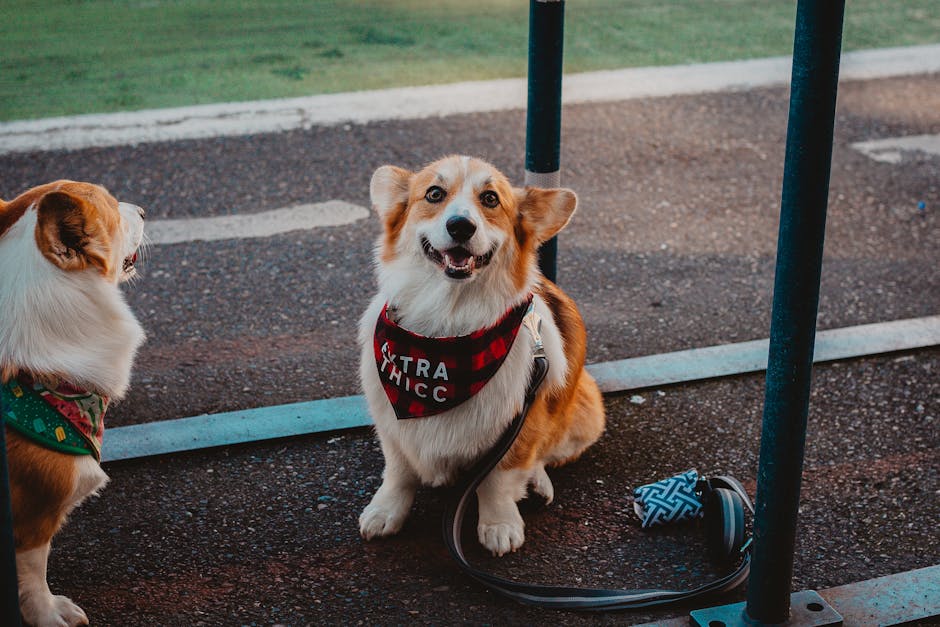
Dogs showing irritation during overhandling
Introduction
It’s important to recognize that Dogs showing irritation during overhandling may be communicating their discomfort. This behavior can manifest in various ways, such as growling, snapping, or trying to move away. Understanding these signals is crucial for ensuring the safety and well-being of both pets and their humans.
While aggression can sometimes be alarming, it is essential to view it as a safety signal rather than a definitive diagnosis of a behavior disorder. Dogs and cats, like all animals, have their own thresholds for comfort and stress. When they feel overwhelmed, they may express their feelings through irritation or defensive behaviors.
By paying attention to your pet’s body language and respecting their boundaries, you can create a more positive environment for interaction. This approach not only fosters trust but also helps prevent situations where your pet may feel the need to express discomfort. Remember, understanding and empathy are key to nurturing a healthy relationship with your furry companions.
Reviewed by the SASI Vet Behavior & Aggression Editorial Board.
What aggression may look like
When dogs are showing irritation during overhandling, their body language can provide important clues about their feelings. You might notice a dog growling or hissing, which are vocalizations that indicate discomfort. Additionally, a stiff posture can signal that a dog is feeling tense or threatened. Other signs include avoidance behaviors, such as turning their head away or moving to a different spot to escape the situation.
Some dogs may also exhibit snapping, which is a quick movement of the mouth that can be alarming. This behavior is often a last resort to communicate that they need space. Retreating is another common response; a dog may back away or seek a safe place to feel more secure. Recognizing these signs is crucial for ensuring a safe and positive environment for both the dog and the people around them.
Understanding these observable behaviors can help you respond appropriately and create a more comfortable atmosphere for your dog, fostering trust and safety in your interactions.
Situations where pets may show aggressive behaviour
Understanding the context in which dogs may exhibit aggression is essential for ensuring a safe environment for both pets and people. One common scenario involves Dogs showing irritation during overhandling. This can occur when a dog feels overwhelmed by excessive petting or handling, leading to signs of discomfort.
Fear is another significant trigger; a dog may react aggressively if it perceives a threat, whether from loud noises, unfamiliar environments, or new people. Similarly, discomfort from physical pain or illness can lead to defensive behaviours, as the pet may feel vulnerable.
Resource tension can also provoke aggression, particularly when a dog feels protective over food, toys, or space. This is often seen when multiple pets are present or when a dog is approached while eating. Additionally, sudden changes in routine or environment, such as moving to a new home or the arrival of a new family member, can create stress and lead to aggressive responses.
Recognizing these triggers can help pet owners create a more harmonious living situation and promote positive interactions with their pets.
Why punishment can make things worse
When dogs are showing irritation during overhandling, it’s essential to understand that using intimidation or punishment can lead to increased fear and anxiety. These methods can create a negative association with handling, making the situation worse rather than better.
Dogs communicate their discomfort through body language, and when they express irritation, it’s a signal that they need space or a break. Responding with corrections or dominance-based techniques can escalate their stress and lead to more severe behavioral issues. Instead of fostering trust, these approaches can damage the bond between you and your dog.
Creating a calm and controlled environment is crucial. Focus on positive reinforcement and gentle handling techniques that respect your dog’s comfort levels. This approach not only helps in reducing irritation but also encourages a more positive interaction. By prioritizing kindness and understanding, you can help your dog feel safe and secure, ultimately leading to a more harmonious relationship.
How calm routines may support safety
Establishing calm routines can significantly benefit dogs showing irritation during overhandling. Consistency in daily activities helps create a sense of security for your pet. When dogs know what to expect, they are less likely to feel overwhelmed or anxious.
Creating safe spaces within your home is essential. Designate areas where your dog can retreat when they need a break from interaction. This allows them to decompress and feel secure, reducing the likelihood of irritation during handling.
Introducing new experiences or people slowly can also help. Gradual introductions allow your dog to adjust at their own pace, minimizing stress and potential irritation. Always supervise interactions, especially in the beginning, to ensure that your dog feels comfortable and safe.
By maintaining a calm environment and being mindful of your dog’s comfort levels, you can foster a positive atmosphere that supports their well-being. Remember, the goal is to create a safe and supportive space where your dog can thrive without feeling overwhelmed.
When aggression signals more serious concern
It’s important to recognize when dogs showing irritation during overhandling may indicate a deeper issue. While many dogs can tolerate some level of handling, certain signs can suggest that a situation is becoming problematic.
Watch for escalating intensity in your dog’s responses. If your dog starts with subtle signs of discomfort, such as lip licking or turning their head away, and these behaviors progress to growling or snapping, it may be time to take a step back. Sudden changes in behavior, especially if your dog has previously been comfortable with handling, can also be a red flag. For instance, if a dog that usually enjoys being petted suddenly reacts negatively, this warrants attention.
Most concerning is when a dog bites, even if it seems to be a warning bite. This behavior indicates that the dog feels threatened and is trying to communicate their discomfort. In such cases, it is crucial to seek the guidance of a professional who can assess the situation and provide support. Understanding these signals can help ensure the safety and well-being of both your dog and those around them.
Working with qualified professionals
When addressing concerns such as dogs showing irritation during overhandling, it’s essential to collaborate with qualified professionals who can provide guidance and support. Each professional plays a unique role in ensuring the well-being of your pet.
Positive reinforcement trainers specialize in teaching dogs desirable behaviors through rewards and encouragement. They can help you understand your dog’s body language and teach you how to interact in a way that promotes comfort and trust. Their methods focus on building a positive relationship between you and your dog.
Veterinary behaviour professionals have advanced training in animal behavior and can assess your dog’s specific needs. They can provide insights into the underlying causes of irritation and help you develop a better understanding of your dog’s emotional state. Their expertise is invaluable in creating a safe environment for both you and your pet.
Veterinarians play a crucial role in your pet’s overall health. They can rule out any medical issues that may contribute to your dog’s behavior. Regular check-ups ensure that your dog remains healthy and happy, which is fundamental in addressing any behavioral concerns.
FAQs
What are signs of dogs showing irritation during overhandling?
Dogs may show irritation through body language such as stiffening, turning their head away, or showing their teeth. They might also try to move away or give a low growl. Recognizing these signs is important for ensuring your dog’s comfort.
How can I prevent my dog from becoming irritated during handling?
To prevent irritation, ensure that handling is done gently and in short sessions. Pay attention to your dog’s body language and take breaks if they seem uncomfortable. Gradually desensitize your dog to handling by rewarding calm behavior.
What should I do if my dog shows irritation during handling?
If your dog shows signs of irritation, it’s best to stop handling immediately. Give them space and allow them to relax. Observe their behavior to understand their comfort levels better in the future.
Can all dogs be trained to tolerate handling better?
Many dogs can learn to tolerate handling better with positive reinforcement techniques. Building trust and gradually increasing handling time can help your dog feel more comfortable.
When should I seek professional help for my dog’s irritation?
If your dog’s irritation escalates or becomes a concern, consider consulting a professional who specializes in canine behavior. They can provide guidance tailored to your dog’s needs.
Summary
When dogs are showing irritation during overhandling, it’s important to understand that this behavior is a form of communication. Dogs may express discomfort or stress when they feel overwhelmed, and it’s crucial for owners to recognize these signals. Instead of viewing this as aggression, consider it a way for your dog to express their needs and boundaries.
To ensure a positive experience for both you and your dog, focus on creating a calm environment. Pay attention to your dog’s body language, such as stiffening, growling, or moving away, as these can indicate that they need a break. It’s essential to respect their space and allow them to disengage when they show signs of irritation.
If you find that your dog frequently shows irritation during handling, it may be beneficial to seek guidance from a professional who specializes in canine behavior. They can provide insights tailored to your dog’s unique needs, helping you foster a more harmonious relationship. Remember, understanding and patience are key to supporting your dog’s well-being.
- Understanding Canine Body Language
- Positive Reinforcement Training Techniques
- Creating Safe Spaces for Pets
- Building Trust with Your Dog
- Recognizing Signs of Stress in Pets
Disclaimer: This article provides general information about pet aggression and does not replace professional evaluation.
In conclusion, fostering a supportive environment for your dog is essential. By being attentive to their needs and recognizing signs of discomfort, you can help them feel more secure. This not only enhances your dog’s quality of life but also strengthens the bond you share. Remember, patience and understanding are vital components in nurturing a positive relationship with your furry friend.
Additionally, engaging in regular, low-stress activities with your dog can help build their confidence and comfort with handling. Simple games, gentle grooming, or even quiet time together can reinforce positive associations with being close to you. The more positive experiences your dog has, the more likely they are to feel relaxed and secure during interactions. Always prioritize your dog’s emotional well-being, and strive to create a nurturing environment that allows them to thrive.
Moreover, consider incorporating training sessions that focus on building your dog’s comfort with handling. These sessions can be short and fun, allowing your dog to associate handling with positive experiences. Using treats or praise during these interactions can help reinforce their willingness to engage. Remember, the goal is to create a trusting relationship where your dog feels safe and understood, ultimately leading to a more enjoyable experience for both of you.