
Cats responding strongly to excitement

Share
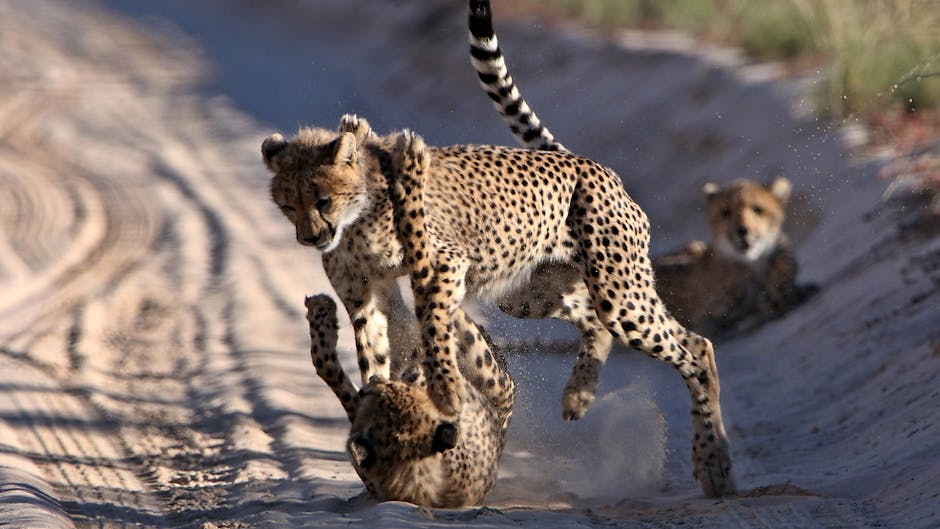
Cats responding strongly to excitement
Introduction
Understanding how cats respond to excitement is essential for ensuring a safe and harmonious environment for both pets and their owners. While many cats exhibit playful and enthusiastic behaviors, some may respond strongly to excitement in ways that can be surprising or concerning. It’s important to recognize that these reactions can sometimes be perceived as aggression, serving as a safety signal rather than a definitive behavior disorder.
Both dogs and cats can display aggressive behaviors, which can stem from various emotions, including fear, excitement, or stress. These responses are natural and can occur in different situations, such as during play or when they feel overwhelmed. By observing your pet’s body language and understanding their triggers, you can create a more positive experience for them and yourself.
This article aims to provide insights into the behaviors of Cats responding strongly to excitement, helping you navigate these moments with calmness and support. Remember, the focus here is on fostering a safe environment and understanding your pet’s needs without labeling their behavior as problematic.
Reviewed by the SASI Vet Behavior & Aggression Editorial Board.
What aggression may look like
Aggression in cats can manifest in various observable behaviours, especially when they are responding strongly to excitement. It’s important to recognize these signs to ensure a safe environment for both the cat and those around them.
Some common behaviours include growling or hissing, which may indicate that a cat feels threatened or overstimulated. A stiff posture can also be a signal that a cat is on high alert, preparing to react to a situation. In some cases, a cat may snap or swat if they feel overwhelmed, while others might choose to retreat to a safe space, indicating their need for distance.
Understanding these behaviours can help caregivers respond appropriately. If a cat is showing signs of discomfort or agitation, it’s beneficial to give them space and time to calm down. Creating a calm environment and observing their body language can foster a more positive interaction, ensuring that both the cat and their human companions feel secure and comfortable.
Situations where pets may show aggressive behaviour
Understanding the context in which cats may display aggression is essential for ensuring a safe environment for both pets and people. One common scenario is when Cats responding strongly to excitement can become overstimulated. This excitement might stem from play, new toys, or even the presence of other animals.
Fear is another significant trigger. Cats may react aggressively if they feel threatened by loud noises, unfamiliar environments, or sudden movements. It’s important to recognize when a cat is feeling anxious and to provide them with a safe space to retreat.
Resource tension can also lead to aggressive behaviour. This occurs when a cat feels protective over food, toys, or resting areas, especially in multi-pet households. Ensuring that each pet has their own space and resources can help mitigate these tensions.
Unfamiliar visitors can be a source of stress for many cats. They may react defensively to new people in their territory. Gradual introductions and allowing the cat to approach at their own pace can help ease this situation.
Lastly, sudden changes in routine or environment can unsettle a cat, leading to unexpected reactions. Maintaining a consistent routine and providing reassurance during transitions can help them feel more secure.
Why punishment can make things worse
When cats respond strongly to excitement, it can be a delightful yet challenging experience for pet owners. However, using intimidation or punishment in these moments can lead to increased fear and anxiety in your feline friend. Instead of helping, these methods can exacerbate the situation, making your cat more reactive and less trusting.
When a cat feels threatened or scared, their natural instinct may be to flee or defend themselves. This can lead to aggressive behaviors, which can be dangerous for both the cat and the people around them. Instead of fostering a safe environment, punishment can create a cycle of fear and aggression, making it harder for your cat to feel secure.
Promoting kindness and understanding is essential. Creating a controlled environment where your cat can express their excitement safely will help them learn to manage their emotions. Positive reinforcement, such as rewarding calm behavior, can encourage your cat to respond more appropriately to exciting situations. By focusing on gentle guidance, you can help your cat feel more comfortable and confident in their surroundings.
How calm routines may support safety
Establishing consistent routines can greatly benefit cats responding strongly to excitement. A predictable environment helps reduce anxiety and creates a sense of security. When cats know what to expect, they are less likely to become overwhelmed by sudden changes or stimuli.
Creating safe spaces within your home is essential. These areas allow your cat to retreat when they feel overstimulated or anxious. Providing cozy hiding spots or elevated perches can help them feel secure and in control of their environment.
Introducing new experiences or companions slowly is crucial. Gradual introductions can help your cat adjust without feeling threatened or overly excited. Supervision during these interactions ensures that both your cat and any new stimuli remain safe and comfortable.
By maintaining calm routines and being mindful of your cat’s needs, you can foster a peaceful atmosphere that supports their emotional well-being. This approach not only enhances their safety but also strengthens the bond you share with your feline friend.
When aggression signals more serious concern
Understanding your cat’s behavior is essential, especially when it comes to cats responding strongly to excitement. While some excitement can lead to playful behavior, there are red flags that may indicate a more serious concern. If you notice an escalation in intensity, such as your cat becoming increasingly agitated or aggressive during play, it’s important to take note.
Sudden changes in behavior can also be a warning sign. If your typically calm cat suddenly reacts aggressively to stimuli that previously elicited no response, this shift may require further attention. Additionally, if your cat bites or swats in a manner that seems out of character, it’s crucial to consider the context and frequency of these actions.
These behaviors can indicate that your cat is feeling overwhelmed or stressed. It’s always best to err on the side of caution. If you observe any of these concerning signs, seeking the guidance of a professional who specializes in feline behavior can provide valuable insights and support. Your cat’s well-being is paramount, and understanding their signals can help ensure a safe and harmonious environment.
Working with qualified professionals
When dealing with cats responding strongly to excitement, it’s essential to collaborate with qualified professionals who can provide guidance tailored to your pet’s needs. Positive reinforcement trainers specialize in teaching desirable behaviors through rewards, helping your cat learn to manage their excitement in a constructive way. They focus on creating a positive learning environment, which can be particularly beneficial for cats that may become overwhelmed.
Veterinary behaviour professionals have a deep understanding of animal behavior and can assess your cat’s reactions in various situations. They can help identify triggers and suggest strategies to promote calmness and confidence in your cat. Their expertise is invaluable in developing a comprehensive understanding of your cat’s behavior.
Veterinarians play a crucial role in your cat’s overall health and well-being. They can rule out any underlying health issues that may contribute to your cat’s strong responses to excitement. By working together with these professionals, you can create a supportive environment that fosters positive interactions and helps your cat thrive.
FAQs
Why do cats respond strongly to excitement?
Cats are naturally curious and can become easily excited by various stimuli, such as new toys, sounds, or even the presence of their favorite person. This excitement can manifest in playful behavior or increased energy levels.
How can I tell if my cat is excited?
Signs of excitement in cats may include wide eyes, twitching tails, playful pouncing, or vocalizations. Each cat may express excitement differently, so observing your cat’s unique behaviors is key.
Is it normal for my cat to become overly excited?
While excitement is a normal behavior, some cats may become overly stimulated. If your cat seems to be overwhelmed, providing a calm environment and allowing them to retreat to a quiet space can help.
What should I do if my cat gets too excited during play?
If your cat becomes too excited during play, it can be helpful to pause the activity and give them a moment to calm down. Offering a break can help them regain focus and reduce overstimulation.
Can I encourage my cat to respond positively to excitement?
Yes! Engaging your cat with interactive toys and gentle play can help them channel their excitement in a positive way. Always pay attention to their body language to ensure they are comfortable and enjoying the interaction.
Summary
When cats respond strongly to excitement, it can sometimes be misinterpreted as aggression. It’s important to understand that this behavior is often a form of communication. Cats may express their feelings through various actions, such as swatting, hissing, or even running away. These responses can be triggered by overstimulation, play, or changes in their environment.
As a cat owner, your role is to observe and recognize these signals. Providing a calm and safe space for your cat can help them feel more secure. If you notice your cat becoming overly excited, consider redirecting their energy with toys or engaging them in a quieter activity. This can help them manage their excitement in a more positive way.
Remember, seeking the guidance of a professional who specializes in feline behavior can be beneficial. They can offer insights tailored to your cat’s unique needs. By understanding that cats responding strongly to excitement is a form of communication, you can foster a more harmonious relationship with your feline friend.
Additionally, being proactive in creating a stimulating yet controlled environment can help your cat thrive. Regular playtime, mental enrichment, and safe exploration opportunities can contribute to a well-adjusted and happy cat. By prioritizing your cat’s emotional needs, you can enhance their quality of life and strengthen the bond you share.
Moreover, engaging in activities that promote mental stimulation, such as puzzle feeders or interactive toys, can help channel your cat’s energy in a constructive manner. This not only keeps them entertained but also encourages problem-solving skills, which can be beneficial for their overall well-being.
- Understanding Cat Behavior
- Positive Reinforcement Techniques
- Creating Safe Spaces for Pets
- Recognizing Signs of Stress in Cats
- Building a Calm Environment for Pets
Disclaimer: This article provides general information about pet aggression and does not replace professional evaluation.