
Dogs reacting to certain touch areas

Share
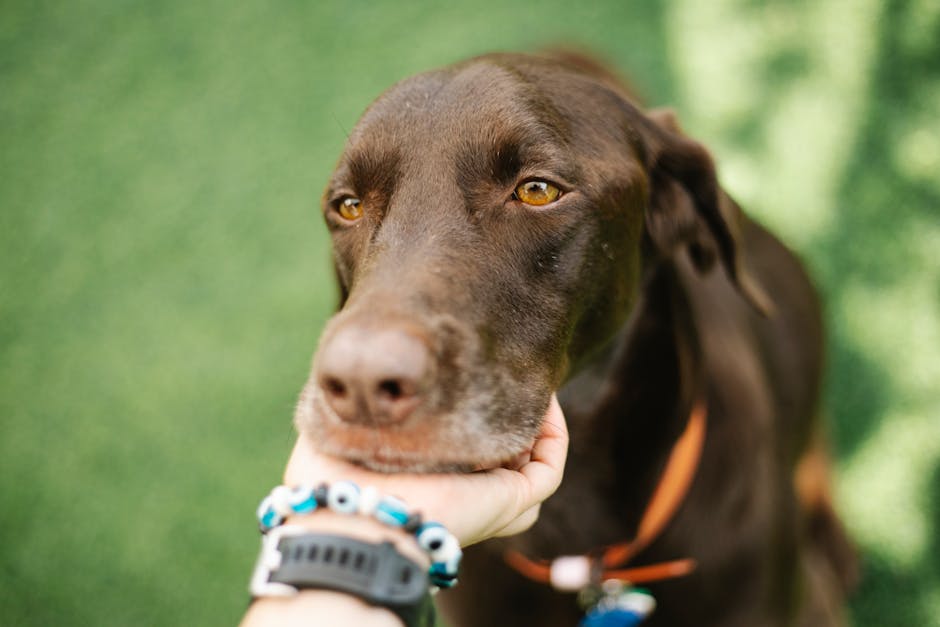
Dogs reacting to certain touch areas
Introduction
Understanding why dogs react to certain touch areas is essential for ensuring a safe and harmonious relationship between pets and their humans. It’s important to recognize that both dogs and cats can display aggressive behaviors, which often serve as a safety signal rather than a definitive diagnosis of a behavior disorder. These reactions can stem from various factors, including past experiences, fear, or discomfort.
When a dog reacts negatively to being touched in specific areas, it may be expressing its need for personal space or indicating that it feels threatened. Observing your pet’s body language and respecting their boundaries can help create a more positive environment. Remember, aggression is a form of communication, and understanding this can lead to better interactions.
In this article, we will explore the reasons behind these reactions and how to approach them with empathy and care. Our goal is to provide insights that promote safety and understanding, ensuring that both you and your pet feel secure and comfortable in your shared space.
Reviewed by the SASI Vet Behavior & Aggression Editorial Board.
What aggression may look like
When dogs are reacting to certain touch areas, their body language can communicate a range of feelings. It’s important to observe these signs closely to ensure everyone’s safety and comfort.
Some dogs may growl or hiss when they feel uncomfortable, which can be a warning that they need space. A stiff posture can indicate tension, while avoidance behaviors, such as moving away or turning their head, suggest that the dog is not at ease with the interaction. In some cases, a dog might snap or show their teeth as a way to express their discomfort.
Retreating is another common behavior; a dog may back away or seek a safe place to feel secure. Recognizing these signs is crucial for understanding your dog’s feelings and ensuring a positive environment. By being attentive to their body language, you can help create a more harmonious relationship and promote a sense of safety for both you and your pet.
Situations where pets may show aggressive behaviour
Understanding why dogs may react aggressively in certain situations can help pet owners create a safer environment for everyone involved. One common trigger is fear; for instance, a dog may feel threatened if approached unexpectedly or if someone invades their personal space. This can lead to defensive reactions, especially if the dog is not accustomed to being touched in specific areas.
Discomfort is another factor; dogs may react negatively if they are touched in areas that are sensitive or painful. It’s essential to be mindful of how your dog responds to different types of touch, as this can vary greatly between individual pets.
Resource tension can also lead to aggressive behaviour. Dogs may guard their food, toys, or resting spots, feeling the need to protect what they consider valuable. Additionally, unfamiliar visitors can provoke anxiety or fear, causing a dog to react defensively.
Lastly, sudden changes in the environment, such as moving to a new home or the arrival of a new family member, can unsettle a dog and lead to unexpected reactions. Being aware of these triggers can help you manage your dog’s behaviour and ensure a harmonious living situation.
Why punishment can make things worse
When dogs are reacting to certain touch areas, it’s essential to understand that using intimidation or punishment can lead to increased fear and anxiety. These methods may seem effective in the short term, but they often exacerbate the underlying issues, making the situation more challenging in the long run.
Dogs communicate through body language, and when they feel threatened or uncomfortable, they may react defensively. Punitive measures can create a cycle of fear, where the dog associates certain touches with negative experiences. This can lead to heightened aggression or avoidance behaviors, further complicating interactions.
Instead of resorting to corrections, it’s beneficial to create a calm and controlled environment. Focus on positive reinforcement and gentle handling to help your dog feel safe and secure. Gradually desensitizing them to touch in a supportive manner can foster trust and improve their comfort levels.
By prioritizing kindness and understanding, you can help your dog navigate their feelings and reactions, ultimately leading to a more harmonious relationship.
How calm routines may support safety
Establishing calm routines can significantly enhance the safety and comfort of Dogs reacting to certain touch areas. Consistency in daily activities helps create a predictable environment, which can reduce anxiety and promote a sense of security for your pet.
Creating safe spaces within your home allows your dog to retreat when feeling overwhelmed. These areas should be quiet and free from distractions, providing a sanctuary where your dog can relax and feel secure. Additionally, introducing new experiences or interactions slowly can help your dog adjust without feeling threatened. This gradual approach fosters trust and encourages positive associations.
Supervision during interactions, especially when exploring sensitive touch areas, is crucial. By observing your dog’s body language, you can better understand their comfort levels and respond appropriately. If your dog shows signs of discomfort, it’s important to respect their boundaries and give them space. This supportive approach not only enhances safety but also strengthens the bond between you and your dog.
When aggression signals more serious concern
Understanding your dog’s behavior is crucial, especially when it comes to Dogs reacting to certain touch areas. While some dogs may show mild discomfort or growl when touched in specific spots, it’s important to recognize when these signals escalate into more serious concerns.
Red flags include an increase in intensity, such as a dog that initially growls but then progresses to snapping or biting. Sudden changes in behavior, like a previously friendly dog becoming aggressive when touched, can also indicate underlying issues. These changes may stem from pain, fear, or stress, and should not be ignored.
If you notice any of these warning signs, it’s essential to seek professional evaluation from a qualified animal behaviorist or veterinarian. They can help assess the situation and provide guidance tailored to your dog’s needs. Remember, addressing these behaviors early can lead to a safer and more harmonious relationship between you and your pet.
Working with qualified professionals
When addressing concerns about dogs reacting to certain touch areas, it’s essential to collaborate with qualified professionals who can provide guidance tailored to your pet’s needs. Positive reinforcement trainers specialize in teaching dogs new behaviors through rewards, helping to create a positive association with touch and handling. They can work with you to develop strategies that encourage your dog to feel more comfortable and relaxed.
Veterinary behaviour professionals have a deep understanding of animal behavior and can assess your dog’s reactions in a comprehensive manner. They can help identify underlying factors contributing to your dog’s sensitivity and guide you in implementing effective, humane approaches to improve your dog’s comfort with touch.
Veterinarians play a crucial role in ensuring your dog’s overall health. If your dog is reacting negatively to certain touch areas, a veterinarian can rule out any medical issues that may be causing discomfort. By working together with these professionals, you can create a supportive environment that fosters trust and safety for your dog, ultimately enhancing your bond and improving your pet’s quality of life.
FAQs
Q1: Why do my dogs react to certain touch areas?
Dogs may react to certain touch areas due to sensitivity or discomfort. Some dogs have specific spots that they prefer not to be touched, which can be influenced by past experiences or individual personality traits. Observing your dog’s body language can help you understand their comfort levels.
Q2: How can I tell if my dog is uncomfortable with being touched?
Signs of discomfort can include stiffening of the body, turning their head away, growling, or trying to move away. If you notice these behaviors, it’s important to respect your dog’s boundaries and avoid touching those areas.
Q3: What should I do if my dog reacts negatively to touch?
If your dog reacts negatively, it’s best to give them space and avoid that area. You can work on building trust through positive interactions, such as gentle petting in areas they enjoy, while gradually introducing touch in a calm manner.
Q4: Can I help my dog become more comfortable with touch?
Yes, you can help your dog become more comfortable by using positive reinforcement. Gradually introduce touch in a way that feels safe for them, rewarding calm behavior with treats or praise. This can help create a more positive association with touch.
Summary
It’s important to understand that when dogs are reacting to certain touch areas, they are often communicating their discomfort or stress. This behavior can stem from various factors, including past experiences, fear, or simply a preference for certain types of interaction. Recognizing these signals is crucial for fostering a safe and trusting relationship with your dog.
When a dog reacts negatively to being touched in specific areas, it’s essential to remain calm and avoid escalating the situation. Instead of forcing interaction, observe your dog’s body language and respect their boundaries. This approach not only helps to prevent further stress but also encourages your dog to feel more secure in their environment.
If you find that your dog frequently reacts to touch in a way that concerns you, seeking guidance from a professional who specializes in canine behavior can be beneficial. They can provide insights tailored to your dog’s unique needs and help you develop a positive approach to interactions. Remember, understanding and patience are key in nurturing a healthy bond with your furry friend.
Additionally, engaging in regular, low-stress activities with your dog can help build their confidence and strengthen your relationship. Activities such as gentle play, training sessions focused on fun and rewards, or simply spending quiet time together can foster a sense of security. The more positive experiences your dog has, the more likely they are to feel comfortable and relaxed in various situations.
Furthermore, consider incorporating enrichment activities into your dog’s routine. Puzzle toys, scent games, and interactive play can stimulate their mind and provide a healthy outlet for their energy. These activities not only promote mental well-being but also create opportunities for bonding and trust-building between you and your pet.
- Understanding canine body language
- Positive reinforcement training techniques
- Creating a safe space for pets
- Building trust with your dog
- Recognizing signs of stress in pets
Disclaimer: This article provides general information about pet aggression and does not replace professional evaluation.