Cat Irritated Whisker Area: Signs, Causes and Veterinary Care

Share
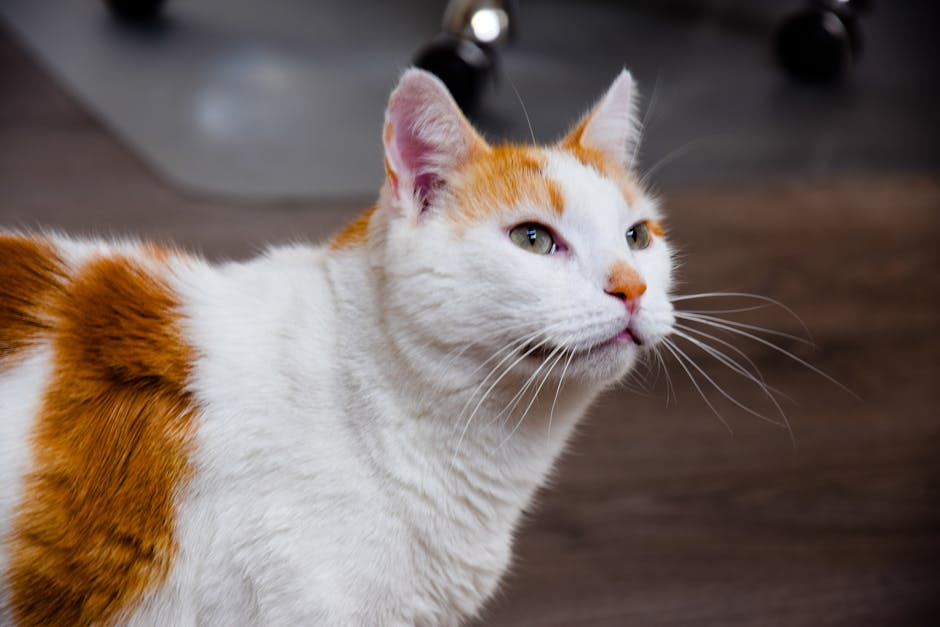
Cat irritated whisker area signs and concerns are among the more commonly noticed facial skin changes in cats, yet they are frequently misunderstood or dismissed. The whisker pad area — the raised, fleshy region on either side of a cat’s muzzle from which whiskers (vibrissae) emerge — is richly innervated and highly sensitive. When this area becomes red, swollen, crusted, or otherwise irritated, it can cause significant discomfort and often signals an underlying dermatological, infectious, or systemic condition that warrants veterinary evaluation.
What the Whisker Area Does and Why Irritation Matters
A cat’s whiskers are not simply hairs — they are sophisticated sensory organs embedded deeply in the skin, surrounded by a dense network of nerve endings and blood vessels. The whisker pad itself contains sebaceous glands and hair follicles that can become inflamed, infected, or obstructed. Because cats rely heavily on their whiskers for spatial navigation, prey detection, and environmental sensing, irritation in this area affects not just comfort but also daily function.
Cat irritated whisker area signs and concerns can range from mild, self-limiting redness to chronic, painful lesions that recur without treatment. Early recognition and correct diagnosis are essential to prevent progression.
What Cat Irritated Whisker Area Signs and Concerns Look Like
The clinical appearance varies depending on the underlying cause, but common signs include:
- Redness and erythema — diffuse or localized pinkness around the whisker follicles or across the whisker pad
- Swelling or thickening — the whisker pad may appear puffier than normal on one or both sides
- Papules or pustules — small raised bumps or pus-filled spots at or near whisker follicle openings, suggestive of folliculitis or bacterial infection
- Crusting or scaling — dried exudate or flaky skin around whisker bases, common with bacterial or fungal involvement
- Alopecia (hair loss) — thinning or absence of whiskers or facial fur around the affected area
- Wetness or discharge — moist, weeping skin indicating active inflammation or secondary infection
- Behavioral signs — pawing at the face, rubbing the muzzle against surfaces, flinching when touched around the whiskers, or reluctance to eat hard food
One-sided involvement is often more suggestive of a localized cause (trauma, folliculitis, abscess), while bilateral symmetrical changes more commonly indicate systemic disease, allergy, or endocrine disorders.
Common Causes of Cat Irritated Whisker Area Signs and Concerns
Feline Acne
Feline chin and muzzle acne is one of the most frequent causes of cat irritated whisker area signs and concerns. Cats that also develop skin reactions or hives alongside facial irritation may have an underlying allergic condition requiring further investigation. It develops when keratin and sebum block hair follicles, leading to comedones (blackheads), papules, and in more severe cases, pustules and furunculosis (ruptured infected follicles). Plastic food bowls are a recognized contributing factor — the porous surface harbors bacteria that cause repeated follicular irritation. Switching to ceramic, glass, or stainless steel bowls often reduces recurrence significantly.
Bacterial Folliculitis and Furunculosis
Secondary bacterial infection — most commonly with Staphylococcus pseudintermedius — can develop in follicles already compromised by acne, trauma, or other skin disease. Affected cats show pustules, crusting, and pain around the whisker pad. Culture and sensitivity testing may be needed to guide antibiotic selection, particularly in recurrent or resistant cases.
Dermatophytosis (Ringworm)
Fungal infection with Microsporum canis or Trichophyton species frequently affects the face, including the whisker area, particularly in young cats, immunocompromised individuals, and multi-cat households. Lesions typically appear as circular areas of hair loss with scaling or broken hairs. Crucially, ringworm is zoonotic — it can be transmitted to humans — making accurate diagnosis urgent. Fungal culture remains the gold standard for diagnosis.
Allergic Skin Disease (Feline Atopy or Food Allergy)
Allergic reactions — whether to environmental allergens (pollens, dust mites, mold) or food proteins (beef, fish, chicken, dairy) — often manifest on the face in cats. Cat irritated whisker area signs and concerns from allergy typically include diffuse facial erythema, pruritus (itching), self-trauma from grooming, and recurrent secondary infections. Food allergy diagnosis requires a strict hydrolyzed or novel protein elimination diet trial of 8–12 weeks.
Trauma and Self-Inflicted Injury
Cats that scratch their face excessively due to pruritus, pain, or behavioral stress can cause significant excoriation around the whisker area. The resulting wounds are susceptible to secondary bacterial infection. An Elizabethan collar may be needed to break the itch-scratch cycle while underlying causes are treated.
Mite Infestation
Demodex cati or Notoedres cati (feline sarcoptic mange) can cause facial lesions including whisker area involvement. Notoedric mange in particular causes intense pruritus, crusting, and hair loss starting at the head and spreading caudally. Skin scraping is required for diagnosis.
Eosinophilic Granuloma Complex
Eosinophilic plaques and granulomas — part of feline eosinophilic granuloma complex (EGC) — can affect the lips, chin, and whisker pad area. These lesions are associated with allergic hypersensitivity and present as raised, ulcerated, or thickened plaques. They are often itchy and may be mistaken for bacterial infection without biopsy confirmation.
Autoimmune and Systemic Disease
Less commonly, conditions such as pemphigus foliaceus — a blistering autoimmune skin disease — or systemic lupus erythematosus can affect the facial skin including the whisker region. These diagnoses require skin biopsy and histopathology for confirmation and are managed with immunosuppressive therapy.
When Cat Irritated Whisker Area Signs and Concerns Require Urgent Care
Most cases of whisker area irritation are non-emergency but benefit from timely veterinary evaluation. Seek same-day or emergency care if your cat shows:
- Rapid swelling of the face, muzzle, or lips — may indicate anaphylaxis or deep infection (abscess/cellulitis)
- Difficulty breathing, eating, or opening the mouth
- Severe pain or sudden behavioral change (aggression, hiding, complete food refusal)
- Open wounds, bleeding, or visible pus
- Systemic signs — fever, lethargy, loss of appetite alongside skin changes
How Veterinarians Diagnose Cat Irritated Whisker Area Signs and Concerns
A thorough diagnostic approach is essential because many conditions look similar clinically:
Detailed history — onset, progression, diet (especially bowl material), exposure to other cats, indoor/outdoor status, prior treatments, and any household members with skin lesions (important for ringworm).
Physical examination — full skin assessment including distribution, lesion type (macule, papule, pustule, crust, ulcer, plaque), and symmetry.
Skin cytology — tape strip or swab cytology performed in-clinic to identify bacteria, yeast, or inflammatory cells within minutes. This is the fastest initial diagnostic step.
Fungal culture — essential to rule out dermatophytosis; results take 2–3 weeks for a definitive negative result.
Skin scraping — detects mites including Demodex and Notoedres.
Elimination diet trial — if food allergy is suspected, a minimum 8–12 week strict trial with a novel or hydrolyzed protein diet is required.
Skin biopsy — required to diagnose eosinophilic granuloma complex, autoimmune disease, or neoplasia definitively.
Allergy testing — intradermal or serum-based allergen-specific IgE testing can identify environmental triggers in atopic cats.
Treatment Options
Treatment for cat irritated whisker area signs and concerns depends entirely on the diagnosis:
- Feline acne — warm compresses, gentle cleaning with chlorhexidine, elimination of plastic bowls; severe cases may require topical or oral antibiotics and retinoids
- Bacterial folliculitis — topical antibiotics (mupirocin, fusidic acid) for mild cases; systemic antibiotics (amoxicillin-clavulanate, doxycycline) for 3–6 weeks in moderate-severe disease based on culture results
- Ringworm — topical antifungals (miconazole, clotrimazole) and/or oral itraconazole or terbinafine; environmental decontamination is essential
- Allergic disease — allergen avoidance, dietary management, antihistamines, corticosteroids (prednisolone), or biologics (oclacitinib, lokivetmab) depending on severity
- Mite infestation — licensed parasiticides; treatment of all in-contact animals
- EGC lesions — immunomodulation with corticosteroids or cyclosporine; identification and management of underlying allergic trigger
Home Care and Monitoring
While awaiting or following veterinary treatment for cat irritated whisker area signs and concerns:
- Switch immediately from plastic to ceramic, glass, or stainless steel food and water bowls and clean daily
- Prevent self-trauma with an Elizabethan collar if scratching is severe
- Do not apply human topical products — many (including hydrocortisone cream, tea tree oil, and zinc-containing products) are toxic to cats
- Photograph lesions weekly to track progression — visual documentation helps your veterinarian assess treatment response
- Keep other pets and household members away from affected areas until ringworm is ruled out
Preventing Recurrence of Cat Irritated Whisker Area Signs and Concerns
- Use non-porous bowls and clean them daily
- Maintain year-round parasite prevention (fleas can trigger allergic facial dermatitis)
- Keep cats up to date with health checks to detect endocrine or immune conditions early
- If food allergy is confirmed, maintain strict dietary management — even occasional exposure to the offending protein can trigger flares
- For atopic cats, discuss long-term allergen immunotherapy with your veterinarian as a disease-modifying option
For further guidance on feline skin conditions, the American Veterinary Medical Association (AVMA) and the Canadian Veterinary Medical Association (CVMA) provide peer-reviewed owner resources on dermatological health in cats.
Frequently Asked Questions
Why does my cat’s whisker area keep getting irritated?
Recurrent cat irritated whisker area signs and concerns are most commonly caused by feline acne (often linked to plastic bowls), food allergy, or atopic skin disease. Identifying and eliminating the underlying trigger — rather than just treating flares — is key to long-term resolution.
Can I treat my cat’s whisker area irritation at home?
Switching to a non-plastic bowl and gentle warm compresses can help with mild feline acne. However, any lesion that is worsening, painful, crusted, or not improving within 3–5 days requires veterinary evaluation — particularly if your cat is also showing signs of nausea or gulping, which may suggest a systemic cause to rule out infection, ringworm, or allergy.
Could my cat’s whisker area irritation spread to me or other pets?
Yes — if ringworm (dermatophytosis) is the cause, it is highly contagious to other cats, dogs, and humans. Isolate the affected cat and seek veterinary diagnosis promptly if you notice circular, scaly lesions in household contacts.
Is whisker area irritation painful for cats?
It can be significantly painful, particularly with bacterial furunculosis, abscess, or eosinophilic granuloma complex. Cats often signal facial pain through reluctance to eat hard food, flinching when touched, or behavioral changes.
How long does treatment take?
This varies by cause. Bacterial infections typically respond within 3–6 weeks. Food allergy diagnosis requires 8–12 weeks of strict elimination diet. Ringworm may take 6–12 weeks of treatment. EGC lesions often require ongoing management of the underlying allergic trigger.
Summary
Cat irritated whisker area signs and concerns encompass a range of conditions — from common feline acne and bacterial folliculitis to ringworm, allergy, mite infestation, and autoimmune disease. Accurate diagnosis is essential because treatment varies significantly by cause. Early veterinary evaluation, appropriate diagnostic testing, and targeted treatment deliver the best outcomes and prevent chronicity. Owners can support recovery by eliminating plastic bowls, preventing self-trauma, and following through with prescribed treatment courses.
Reviewed by the Vetpedia Veterinary Editorial Board. This article provides general clinical information and does not replace individualized veterinary advice. Always consult a licensed veterinarian for diagnosis and treatment of your pet.