Cats freezing before reacting

Share
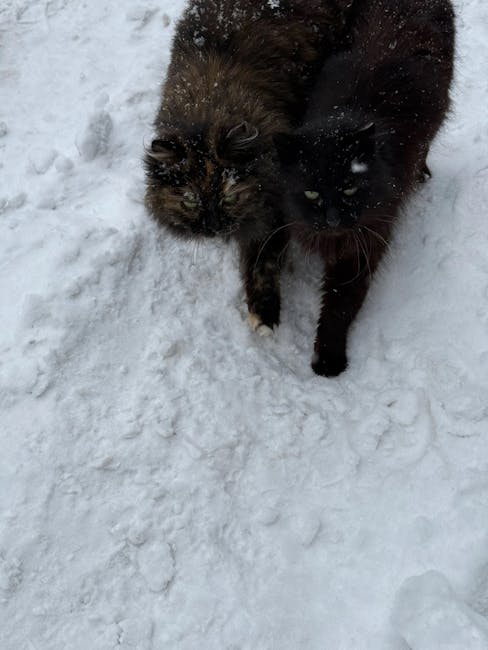
cats freezing before reacting
Introduction
Understanding our pets’ behavior is essential for fostering a safe and harmonious environment. Aggression can manifest in both dogs and cats, often as a response to fear or stress. One common behavior observed in cats is freezing before reacting. This freezing can serve as a safety signal, indicating that the cat is assessing a situation before deciding how to respond.
It’s important to recognize that while aggression may be concerning, it is not a diagnosis but rather a natural behavior that can arise from various triggers. Cats may freeze as a way to protect themselves or to gather information about their surroundings. By observing these behaviors, pet owners can gain valuable insights into their feline companions’ emotional states.
In this article, we will explore the reasons behind cats freezing before reacting and how to create a supportive environment that encourages positive interactions. Remember, understanding and patience are key when addressing any behavioral concerns in our pets.
Reviewed by the SASI Vet Behavior & Aggression Editorial Board.
What aggression may look like
Aggression in cats can manifest in various observable behaviors that may indicate they are feeling threatened or uncomfortable. One common behavior is when cats freeze before reacting; this can be a sign that they are assessing a situation. During this moment, you might notice their body becoming very still, with ears pinned back and eyes wide open.
Other signs of potential aggression include growling or hissing, which serve as vocal warnings to others. A cat may also display a stiff posture, indicating tension and readiness to react. If a cat feels cornered or overwhelmed, it might choose to avoid the situation altogether, retreating to a safe space.
In some cases, a cat may resort to snapping or swatting if they feel their boundaries are being crossed. It’s important to recognize these behaviors as communication, expressing their need for space or a change in the environment. Understanding these signs can help create a safer and more comfortable atmosphere for both you and your feline companion.
Situations where pets may show aggressive behaviour
Understanding the context in which cats freezing before reacting can occur is essential for pet owners. Various everyday triggers can lead to this behaviour, often rooted in fear or discomfort.
One common situation is when a cat encounters unfamiliar visitors. The presence of strangers can create anxiety, causing the cat to freeze as a defensive response. Similarly, sudden changes in the environment, such as moving furniture or new household items, can unsettle a cat, prompting them to pause and assess the situation.
Resource tension is another factor; when a cat feels that their food, toys, or resting areas are threatened, they may exhibit freezing behaviour as they prepare to defend their resources. Additionally, loud noises or sudden movements can startle a cat, leading them to freeze momentarily before deciding how to react.
Recognizing these triggers can help create a safer and more comfortable environment for your cat, allowing them to feel secure and reducing the likelihood of aggressive responses. Always approach your pet with patience and understanding, ensuring they have a safe space to retreat to when needed.
Why punishment can make things worse
When cats freeze before reacting, it can be a sign of fear or stress. In these moments, using intimidation or punishment can escalate their anxiety and lead to more severe behavioral issues. Instead of helping, these methods can create a cycle of fear, making the cat more likely to react defensively in the future.
When a cat feels threatened, their instinct may be to freeze as a way to assess the situation. If they are met with harsh corrections or aggressive behavior from humans, it can reinforce their fear and lead to a breakdown of trust. This can result in increased aggression or withdrawal, making it harder for the cat to feel safe in their environment.
Creating a calm and controlled environment is essential for helping cats feel secure. Positive reinforcement, patience, and understanding can foster a sense of safety, allowing cats to express themselves without fear. By focusing on kindness and gentle guidance, we can help our feline friends navigate their emotions and behaviors in a way that promotes their well-being.
How calm routines may support safety
Establishing calm routines can significantly benefit cats freezing before reacting in various situations. Consistency in daily activities helps create a sense of security, allowing your cat to feel more at ease in their environment. When routines are predictable, your cat is less likely to feel overwhelmed, which can reduce the likelihood of freezing or other stress-related behaviours.
Creating safe spaces within your home is also essential. Designate areas where your cat can retreat when they feel anxious or threatened. These spaces should be quiet and comfortable, providing a sanctuary where they can relax without disturbances.
When introducing new experiences, people, or pets, take your time. Slow introductions allow your cat to acclimate at their own pace, reducing the chances of them feeling cornered or frightened. Always supervise interactions, especially during the initial stages, to ensure that your cat feels secure and supported.
By focusing on calm routines and providing a safe environment, you can help your cat navigate their world with confidence, minimizing instances of freezing before reacting.
When aggression signals more serious concern
Understanding your cat’s behavior is essential, especially when it comes to aggression. One concerning behavior to watch for is when cats freezing before reacting. This can indicate heightened stress or fear, and it may precede an aggressive response.
Red flags to be aware of include escalating intensity in your cat’s body language, such as a stiff posture, dilated pupils, or flattened ears. Sudden changes in behavior, like a previously friendly cat becoming withdrawn or aggressive, can also signal that something is amiss. Additionally, if your cat bites or swats without warning, it may be a sign of significant discomfort or anxiety.
If you notice these warning signs, it’s important to seek professional evaluation. A qualified behaviorist or veterinarian can help you understand the underlying causes of your cat’s aggression and guide you in creating a safe environment for both you and your pet. Remember, addressing these behaviors early can lead to a more harmonious relationship with your feline friend.
Working with qualified professionals
When observing behaviors such as cats freezing before reacting, it’s essential to consult with qualified professionals who can provide guidance tailored to your pet’s needs. Positive reinforcement trainers specialize in teaching desirable behaviors through rewards, helping to create a safe and supportive environment for your cat. They focus on building trust and confidence, which can be particularly beneficial for cats that exhibit fearful or reactive behaviors.
Veterinary behaviour professionals have a deep understanding of animal behavior and can assess your cat’s situation comprehensively. They can help identify underlying factors contributing to your cat’s reactions and work with you to develop a plan that promotes positive interactions and reduces stress.
Veterinarians play a crucial role in your pet’s overall health and well-being. They can rule out any medical issues that may be influencing your cat’s behavior and provide guidance on how to support your pet’s emotional health. Collaborating with these professionals ensures a holistic approach to understanding and addressing your cat’s needs, fostering a safer and more harmonious environment for both you and your feline companion.
FAQs
Why do cats freeze before reacting?
Cats may freeze before reacting as a natural instinct. This behavior can be a way for them to assess a situation, ensuring they are safe before deciding to flee or confront a perceived threat.
Is freezing a sign of fear in cats?
Yes, freezing can indicate that a cat is feeling fearful or uncertain. It’s their way of gathering information about their environment. Understanding this behavior can help you create a more secure space for your cat.
How can I help my cat feel more secure?
Providing a safe and calm environment is essential. Ensure your cat has access to quiet spaces, engaging toys, and opportunities for exploration. This can help reduce anxiety and promote confidence.
Should I intervene when my cat freezes?
It’s best to observe your cat from a distance. Intervening too quickly may startle them. Allow your cat to decide when they feel comfortable to move again, which can help them feel more in control.
Can socialization help with freezing behavior?
Yes, gentle and positive socialization experiences can help your cat become more comfortable in various situations. Gradual exposure to new environments and people can build their confidence over time.
Summary
When you observe your cats freezing before reacting, it’s important to understand that this behavior is a form of communication. Cats often exhibit this response when they feel threatened or uncertain about their environment. Freezing can be a way for them to assess a situation before deciding how to respond, whether that be through flight, fight, or simply remaining still.
As a cat owner, your role is to create a safe and supportive environment. If your cat is displaying this behavior, it’s essential to remain calm and avoid any actions that may escalate the situation. Instead of reacting with frustration or confusion, take a moment to observe your cat’s body language and the context of the situation. This can provide valuable insights into what might be causing their discomfort.
Should you find that your cat frequently freezes before reacting, consider seeking guidance from a professional who specializes in feline behavior. They can help you understand your cat’s needs and develop strategies to enhance their comfort and confidence in various situations. Remember, your cat’s communication is a vital part of their well-being, and addressing it with care can lead to a more harmonious relationship.
Additionally, fostering an environment that encourages exploration and play can help alleviate some of the stress that leads to freezing behavior. Engaging your cat in interactive play sessions can build their confidence and strengthen your bond. Providing enrichment activities, such as puzzle feeders or climbing structures, can also stimulate their natural instincts and reduce anxiety.
Moreover, consider incorporating regular routines that include feeding, playtime, and quiet moments together. This predictability can help your cat feel more secure and less anxious, allowing them to express themselves more freely. Remember, every cat is unique, and understanding their individual preferences and triggers is key to fostering a trusting relationship.
- Understanding Cat Behavior
- Positive Reinforcement Techniques
- Creating Safe Spaces for Pets
- Calm Environments for Anxious Pets
- Professional Resources for Pet Behavior
Disclaimer: This article provides general information about pet aggression and does not replace professional evaluation.