
Cats reacting to unfamiliar household items

Share
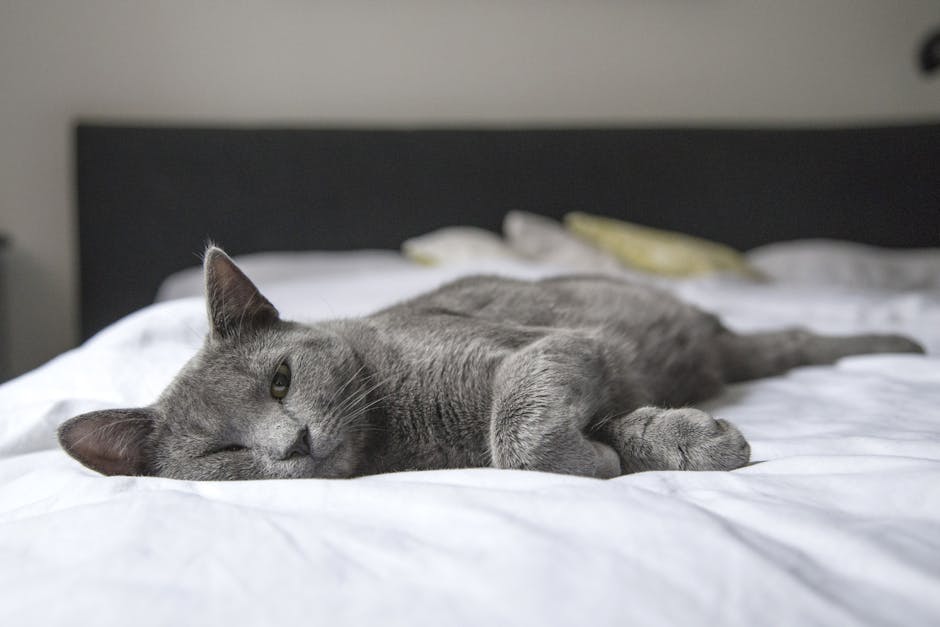
Cats reacting to unfamiliar household items
Reviewed by the SASI Vet Behavior & Aggression Editorial Board.
Introduction
It’s not uncommon for cats to exhibit surprising reactions when they encounter unfamiliar household items. These reactions can range from curiosity to caution, and in some cases, may even appear aggressive. It’s important to understand that such behavior is a natural response to perceived threats in their environment. When cats react to unfamiliar household items, they are communicating their feelings and assessing their safety.
While aggression can be a concern for pet owners, it’s essential to view it as a safety signal rather than a behavior disorder. This perspective allows us to approach the situation with empathy and understanding. Instead of labeling the behavior, we can focus on creating a safe and comfortable environment for our feline friends.
By recognizing the signs of discomfort or fear, we can help our cats adjust to new items in a gentle and supportive manner. Remember, the goal is to foster a positive atmosphere where your cat feels secure and confident in their surroundings.
What aggression may look like
When cats encounter unfamiliar household items, their reactions can vary widely. Some may respond with growling or hissing, vocalizations that signal discomfort or unease. Others might display a stiff posture, indicating they are on high alert and assessing the situation. This body language can be a clear sign that they are feeling threatened or unsure.
In some cases, a cat may choose to avoid the unfamiliar object altogether, retreating to a safe space where they feel more secure. This avoidance behavior is a natural response, allowing them to distance themselves from what they perceive as a potential threat. Alternatively, a cat might exhibit snapping or swatting if they feel cornered or unable to escape the situation.
Understanding these observable behaviors is essential for creating a safe environment for your cat. By recognizing their reactions to unfamiliar household items, you can help them feel more comfortable and secure in their surroundings. Patience and gentle encouragement can go a long way in helping your cat adjust to new experiences.
Situations where pets may show aggressive behaviour
Understanding why pets, particularly cats, may exhibit aggressive behaviour can help create a safer environment for everyone. One common trigger is when cats react to unfamiliar household items. New furniture, decorations, or even changes in the arrangement of existing items can cause confusion or fear in cats.
Fear is a significant factor; when a cat encounters something new, it may feel threatened and respond defensively. Similarly, discomfort can arise from unfamiliar scents or textures, leading to a startled reaction. Resource tension is another situation where a cat may feel protective over food, toys, or resting areas, which can result in aggressive behaviour if they perceive a threat to their resources.
Unfamiliar visitors can also trigger aggression, as cats may feel their territory is being invaded. Sudden changes in the household, such as moving to a new home or the arrival of a new pet, can create stress and lead to aggressive responses as they adjust to their new environment.
By recognizing these triggers, pet owners can take steps to minimize stress and create a more harmonious living space for their feline companions.
Why punishment can make things worse
When cats react to unfamiliar household items, it’s important to understand that using intimidation or punishment can lead to increased fear and anxiety. Cats are sensitive creatures, and harsh methods can exacerbate their stress, making them more reactive to new experiences.
Instead of fostering a sense of security, punishment can create an environment of fear. This can lead to a cycle where the cat becomes more anxious and defensive, potentially resulting in aggressive behaviors. When a cat feels threatened, it may react unpredictably, which can be dangerous for both the cat and the people around it.
Promoting kindness and understanding is essential. Creating a controlled environment where your cat can explore new items at their own pace helps build confidence. Gradually introducing unfamiliar objects while providing positive reinforcement can encourage curiosity rather than fear. This gentle approach allows your cat to feel safe and secure, reducing the likelihood of negative reactions.
Remember, patience and compassion are key when helping your cat navigate their world. By fostering a supportive atmosphere, you can help them adjust to new experiences with confidence.
How calm routines may support safety
When it comes to Cats reacting to unfamiliar household items, establishing calm routines can play a significant role in creating a safe environment. Consistency in daily activities helps your cat feel secure, reducing anxiety when faced with new objects.
Creating safe spaces within your home allows your cat to retreat when feeling overwhelmed. These areas should be quiet and comfortable, providing a sense of security. When introducing unfamiliar items, consider doing so gradually. This slow approach helps your cat adjust without feeling threatened or stressed.
Supervision is also essential during these introductions. By observing your cat’s reactions, you can gauge their comfort level and provide reassurance as needed. If your cat shows signs of distress, it’s important to give them space and time to acclimate at their own pace.
Overall, maintaining a calm and predictable routine, along with safe spaces and careful introductions, can significantly support your cat’s well-being and help them navigate their environment with confidence.
When aggression signals more serious concern
Understanding your cat’s behavior is essential, especially when it comes to Cats reacting to unfamiliar household items. While some reactions may be typical, certain red flags can indicate a more serious concern. If you notice escalating intensity in your cat’s aggression, such as increased growling, hissing, or swatting, it may be time to take a closer look.
Sudden changes in behavior can also be a cause for concern. If your cat, who was once calm around household items, suddenly becomes fearful or aggressive, this shift may warrant further investigation. Additionally, if your cat bites or scratches during these episodes, it’s important to recognize this as a signal that they are feeling overwhelmed or threatened.
In such cases, seeking the guidance of a professional who specializes in feline behavior can provide valuable insights. They can help you understand your cat’s reactions and develop strategies to create a more comfortable environment. Remember, your cat’s safety and well-being are paramount, and addressing these behaviors early can lead to a more harmonious household.
Working with qualified professionals
When addressing concerns such as cats reacting to unfamiliar household items, it is essential to collaborate with qualified professionals who can provide guidance tailored to your pet’s needs.
Positive reinforcement trainers specialize in teaching cats new behaviors through rewards and encouragement. They can help create a safe environment where your cat feels comfortable exploring new items. By using treats and praise, trainers can assist in gradually introducing unfamiliar objects, making the experience more positive for your feline friend.
Veterinary behaviour professionals focus on understanding the underlying reasons for your cat’s reactions. They can assess your cat’s behavior in relation to their environment and help you develop strategies to enhance your cat’s comfort and confidence. Their expertise can be invaluable in creating a harmonious home for both you and your pet.
Veterinarians play a crucial role in ensuring your cat’s overall health. If your cat’s reactions are concerning, a veterinarian can rule out any medical issues that may be contributing to their behavior. They can also provide referrals to trainers or behaviour professionals who align with your approach to positive reinforcement.
FAQs
Why do cats react to unfamiliar household items?
Cats are naturally curious creatures, and their reactions to unfamiliar household items can stem from their instinct to investigate their environment. New objects may seem strange or threatening, prompting a cautious response.
How can I help my cat adjust to new items in the house?
To help your cat feel more comfortable, introduce new items gradually. Allow your cat to explore at their own pace, and provide positive reinforcement, such as treats or praise, when they show curiosity towards the new object.
What should I do if my cat seems scared of a new item?
If your cat appears frightened, give them space and time to acclimate. Avoid forcing interaction with the item. Instead, create a safe area where they can retreat if they feel overwhelmed.
Are there specific items that commonly scare cats?
Cats may react to various unfamiliar household items, such as vacuum cleaners, new furniture, or even packaging materials. Each cat is unique, so their reactions can vary widely.
How can I create a safe environment for my cat?
Ensure your home is a safe space by minimizing clutter and removing potential hazards. Providing cozy hiding spots can also help your cat feel secure when encountering new items.
Summary
When cats react to unfamiliar household items, it’s important to understand that this behavior is a form of communication. Cats are naturally curious creatures, but they can also be cautious and may feel threatened by new or unexpected objects in their environment. This reaction can sometimes manifest as aggression, which is their way of expressing discomfort or fear.
As a cat owner, it’s essential to approach these situations with calmness and patience. Instead of reacting with frustration, observe your cat’s behavior and try to identify what specifically is causing their reaction. Providing a safe space where your cat can retreat to when feeling overwhelmed can be beneficial. Gradually introducing new items in a controlled manner can also help your cat adjust more comfortably.
If your cat’s reactions seem extreme or if you have concerns about their behavior, seeking guidance from a professional who specializes in feline behavior can be a supportive step. Remember, understanding and addressing your cat’s feelings is key to fostering a harmonious home environment.
Additionally, engaging in regular play and providing interactive toys can help your cat build confidence and reduce anxiety. Creating a stimulating environment with various textures and scents can also encourage exploration and curiosity, making new experiences less daunting. The more positive interactions your cat has with their environment, the more resilient they may become in facing unfamiliar items.
Furthermore, consider incorporating elements that promote mental stimulation, such as puzzle feeders or climbing structures. These additions can help your cat feel more engaged and less apprehensive about changes in their surroundings. By enriching their environment, you can support their emotional well-being and encourage a more adaptable attitude towards new experiences.
- Understanding feline body language
- Creating a cat-friendly home environment
- Positive reinforcement training techniques
- Recognizing signs of stress in cats
- Building confidence in fearful cats
Disclaimer: This article provides general information about pet aggression and does not replace professional evaluation.