
Cats with Ears Flattened: 7 Causes, Body Language and When to See a Vet

Share
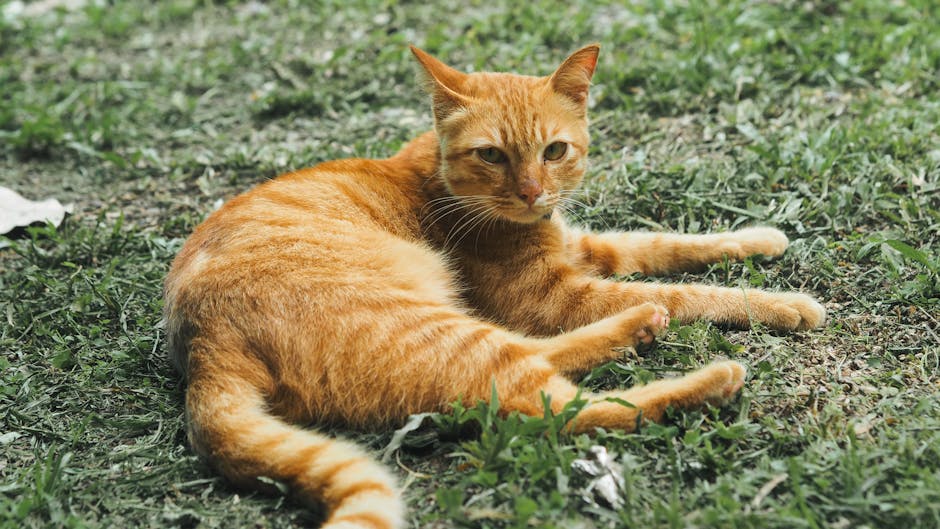
Cats with ears flattened are communicating something important — and the meaning depends critically on context. Ear position is one of the most expressive elements of feline body language, and flattened ears can signal anything from mild annoyance to extreme fear, pain, or aggression. Understanding what cats with ears flattened are telling you helps owners respond appropriately and recognize when a veterinary visit is warranted.
Cats with Ears Flattened: What It Looks Like and Why It Matters
Cats with ears flattened — also called “airplane ears” or “pinned ears” — rotate their ear pinnae sideways and downward, pressing them against the head. The degree of flattening varies from a partial lateral rotation (mild stress or irritation) to full pinning against the skull (extreme fear or aggression). Because this is an active muscular response, cats with ears flattened are always communicating an emotional or physical state — it is never a neutral position.
Ear flattening is a survival behavior. In the wild, cats flatten their ears during confrontation to protect the ear canal from bites and scratches. In domestic cats, the same response occurs in social stress, pain, fear, and aggression — even when no physical threat is present.
7 Reasons Cats with Ears Flattened Show This Behavior
1. Fear and Anxiety
Fear is the most common reason for cats with ears flattened. Threatening stimuli — loud noises, unfamiliar people, other animals, new environments, or veterinary visits — activate the fear response, causing simultaneous ear flattening, dilated pupils, crouched posture, and tail tucked under the body. Cats with ears flattened from fear want to escape or hide. Forcing interaction with a frightened cat risks a defensive bite or scratch. Give the cat space and allow it to retreat.
2. Aggression
Cats with ears flattened in an offensive aggressive posture look different from fearful cats — they hold the body upright and tense, the tail is straight or low, and staring direct eye contact precedes the attack. This posture warns that the cat is about to strike. Common triggers include territorial disputes with other cats, resource guarding (food, sleeping spots), redirected aggression after seeing an outdoor cat, or pain-related aggression during handling. Do not attempt to pick up or restrain a cat showing offensive ear flattening.
3. Pain or Physical Discomfort
Cats with ears flattened persistently — not just in response to specific triggers — may be experiencing chronic pain. Unlike dogs, cats rarely vocalize pain; instead, they show subtle behavioral changes including flattened ears, hunched posture, reluctance to jump, reduced grooming, and withdrawal. Common pain sources in cats include dental disease (tooth resorption, stomatitis), arthritis, abdominal pain (pancreatitis, bladder inflammation), headache, or post-surgical discomfort. If your cat’s ears are persistently flattened outside of obvious triggering situations, a veterinary pain assessment is warranted.
4. Ear Pain or Infection
Cats with ears flattened specifically while being petted near the head, or that flinch when the ear area is touched, may have an underlying ear condition causing localized pain. Ear infections (otitis externa), ear mites, aural hematoma (blood blister in the ear flap), or foreign bodies in the ear canal cause discomfort that manifests as ear flattening, head shaking, scratching at the ear, and sometimes a tilted head. Examination of the ear canal with an otoscope is needed for diagnosis.
5. Play Arousal
During intense predatory play, cats with ears flattened are in a state of high arousal — not fear or aggression. The ears flatten sideways during the stalk-and-pounce sequence to reduce the sound profile and protect ears during mock combat. Play-aroused cats show a loose, bouncy body, dilated pupils, and rapid switching between predatory behaviors. The ear flattening in this context is brief and resolves immediately after play. This is normal and does not require intervention.
6. Overstimulation During Petting
One of the most commonly misread situations involving cats with ears flattened is petting-induced overstimulation. Cats have a threshold for tactile stimulation — once exceeded, they switch from enjoying contact to finding it irritating or painful. Early warning signs include a lashing tail, skin rippling along the back, and ear rotation. Cats with ears flattened during petting are signaling that they have reached their tolerance limit and will bite or scratch if petting continues. Learn your cat’s threshold and stop before the ears flatten.
7. Illness and Neurological Conditions
Cats with ears flattened continuously alongside other neurological signs — head tilt, circling, falling to one side, rapid involuntary eye movement (nystagmus) — may have vestibular disease, inner ear infection, or a central nervous system problem. Feline vestibular syndrome (idiopathic vestibular disease) causes sudden loss of balance with dramatic head tilt and can be alarming but often resolves spontaneously. Any cat showing these signs requires urgent veterinary assessment to rule out serious neurological or middle ear disease.
Reading the Full Context: Cats with Ears Flattened and Body Language
Ears alone do not tell the complete story. Cats with ears flattened communicate differently depending on accompanying body language signals:
- Ears flat + crouched low + dilated pupils + tucked tail = fear, wants to escape — give space
- Ears flat + upright tense body + direct stare + tail low or lashing = offensive aggression — do not approach
- Ears flat + hunched posture + squinted eyes + reluctance to move = pain — needs veterinary assessment
- Ears flat + loose bouncy body + dilated pupils during play = play arousal — normal
- Ears flat + lashing tail + skin rippling = overstimulation — stop petting immediately
- Ears flat + head tilt + loss of balance = possible vestibular or neurological problem — urgent vet visit
When Cats with Ears Flattened Need Veterinary Attention
Schedule a veterinary appointment if cats with ears flattened show:
- Persistent ear flattening outside of obvious stressful situations (possible chronic pain)
- Head shaking, scratching at one or both ears, or discharge from the ear canal (possible otitis or ear mites)
- Flinching or hissing when the head or ears are touched
- Head tilt, circling, or loss of balance alongside flattened ears (possible vestibular or neurological disease)
- Sudden change in temperament — a previously calm cat becoming consistently defensive or aggressive
- Reduced appetite, withdrawal, or changes in grooming alongside the ear changes
Seek urgent care if cats with ears flattened also show head tilt with inability to walk straight, falling, rapid eye movements, or extreme distress.
How to Help Cats with Ears Flattened from Fear or Anxiety
- Never force interaction — allow the cat to approach on its own terms
- Provide hiding spots — cats with ears flattened from fear need a secure retreat; covered beds, cardboard boxes, or high perches reduce anxiety significantly
- Reduce triggers — identify and minimize exposure to the stimulus causing the fear response
- Feliway diffusers — synthetic feline facial pheromone (Feliway Classic) can reduce stress-related ear flattening in some cats
- Slow blink communication — making eye contact and slowly closing your eyes signals non-threat to fearful cats
- Veterinary behavioral assessment — for cats with ears flattened persistently from chronic anxiety, referral to a veterinary behaviorist or prescription anxiolytic therapy (gabapentin, fluoxetine) may be appropriate
For further guidance on feline behavioral and health signs, the American Veterinary Medical Association (AVMA) and the Canadian Veterinary Medical Association (CVMA) provide resources on cat health and behavior. See also our articles on cat allergic reactions and skin signs and signs of systemic illness in cats.
Frequently Asked Questions About Cats with Ears Flattened
Is it normal for cats with ears flattened to bite without warning?
What appears to be “without warning” is usually the owner missing earlier signals. Cats with ears flattened are already signaling — this is the warning. Other earlier signs include tail lashing, skin rippling, and whisker tension. Learning to read these signals prevents most petting-induced bites.
My cat flattens its ears around our new kitten — is this aggression?
Cats with ears flattened around a new pet are usually showing stress, fear, or a warning. This is a normal part of feline introduction and does not necessarily mean permanent incompatibility. Slow, structured introductions with separate resources (food bowls, litter trays, sleeping areas) reduce inter-cat tension significantly.
Can medication help cats with ears flattened from chronic anxiety?
Yes. For cats with ears flattened from chronic anxiety or fear-based aggression that does not respond to environmental management, veterinary-prescribed medications including daily fluoxetine or situational gabapentin can significantly reduce the stress response. A veterinary behavioral consultation is the appropriate starting point.
Do all cats flatten their ears the same way?
Individual variation exists. Some breeds — particularly Scottish Folds (which have structurally altered cartilage) — have permanently altered ear position that does not reflect emotional state in the same way. For most cats however, ear position is a reliable and intentional communication signal.
Summary: Cats with Ears Flattened
Cats with ears flattened are always communicating — the meaning depends on accompanying body language, context, and whether the behavior is situational or persistent. Fear, aggression, overstimulation, play arousal, pain, ear disease, and neurological conditions all cause ear flattening with distinct accompanying signs. Persistent ear flattening outside obvious stressful situations warrants veterinary assessment for pain or ear disease. Understanding what cats with ears flattened are signaling helps owners respond appropriately, avoid bites and scratches, and recognize health problems earlier.
Reviewed by the Vetpedia Veterinary Editorial Board. This article provides general clinical information and does not replace individualized veterinary advice. Always consult a licensed veterinarian for diagnosis and treatment of your pet.