
Cold exposure in dogs signs risks and prevention

Share
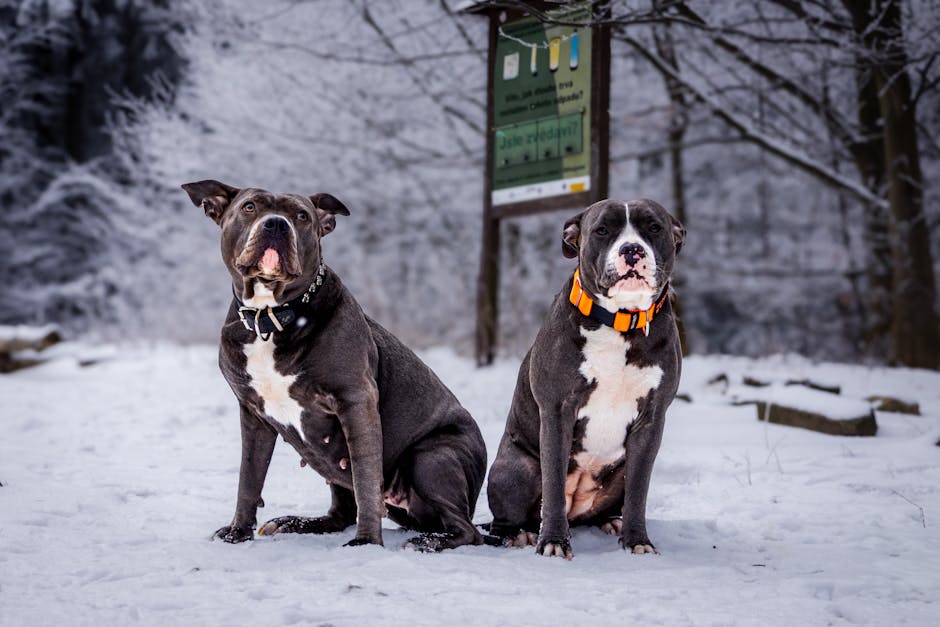
Cold exposure in dogs signs risks and prevention
Introduction
Cold exposure in dogs signs risks and prevention is an important topic for pet owners, especially those living in colder climates. Dogs, and to a lesser extent cats, may experience health issues related to prolonged or severe exposure to cold temperatures. Understanding the signs and risks can help owners take appropriate steps to protect their pets.
Cold exposure is often associated with conditions such as hypothermia and frostbite, which may cause discomfort, injury, or more serious health problems. Some breeds and individual animals may be more vulnerable due to factors like coat type, age, or underlying health conditions.
Pet owners should be aware of common signs that their animal may be affected by cold, including shivering, lethargy, or changes in behaviour. Prevention strategies often involve limiting time outdoors in extreme cold, providing adequate shelter, and monitoring pets closely during cold weather.
This article provides general information about cold exposure in dogs signs risks and prevention but does not replace a veterinary visit. Only a licensed veterinarian can diagnose and recommend appropriate treatment for any health concerns related to cold exposure.
Reviewed by SASI Vet Editorial Board.
What this condition is
Cold exposure in dogs signs risks and prevention refers to the effects that prolonged or intense exposure to cold temperatures may have on a dog’s health. This condition primarily affects the skin, muscles, and internal organs as the body struggles to maintain its normal temperature.
When a dog is exposed to cold environments, its body works to preserve heat by constricting blood vessels near the skin and generating warmth through muscle activity. If the cold exposure continues or is severe, it may lead to conditions such as hypothermia (dangerously low body temperature) or frostbite (damage to skin and underlying tissues caused by freezing).
How it typically develops
- Initial shivering and seeking warmth as the body attempts to raise temperature
- Reduced blood flow to extremities, which may cause pale or blue-tinged skin
- Prolonged cold can cause tissue damage, especially in ears, paws, and tail
- Severe cases may affect internal organs and overall body function
Recognizing cold exposure in dogs signs risks and prevention is important for pet owners, but only a licensed veterinarian can diagnose and recommend appropriate care based on the individual dog’s condition and environment.
Common causes
Cold exposure in dogs signs risks and prevention are often linked to environmental and individual factors. Prolonged exposure to low temperatures may cause hypothermia or frostbite, especially in dogs with thin coats, small body size, or underlying health conditions.
Environmental factors
- Extended time outdoors in cold, wet, or windy weather
- Inadequate shelter or lack of insulation from cold surfaces
- Exposure to snow, ice, or freezing water
Individual risk factors
- Breed characteristics such as short fur or low body fat
- Age extremes, including puppies and senior dogs
- Pre-existing medical conditions that affect circulation or metabolism
- Malnutrition or dehydration, which may reduce cold tolerance
In some cases, the exact cause of cold-related issues may be unclear or multifactorial. Veterinarians may recommend preventive measures based on a dog’s specific risks and environment. It is important to monitor dogs for signs of discomfort or illness during cold weather and seek professional advice for appropriate care and prevention strategies.
Typical signs and symptoms
Cold exposure in dogs signs risks and prevention are important for pet owners to recognize early. Dogs exposed to cold temperatures may show a range of signs, from mild discomfort to more serious health issues. Monitoring your pet closely can help you identify changes that warrant veterinary attention.
Mild signs
- Shivering or trembling
- Whining or restlessness
- Cold ears, paws, or tail
- Seeking warmth or shelter
- Slowed movements or reluctance to move
More serious signs
- Prolonged lethargy or weakness
- Pale or blue gums and tongue
- Stiffness or difficulty walking
- Confusion or disorientation
- Collapse or unconsciousness
These signs may cause concern and are often associated with hypothermia or frostbite. Veterinarians may recommend prompt evaluation if your dog exhibits any serious symptoms. Keeping notes on when signs started and any changes you observe can assist your veterinarian in diagnosis and treatment planning.
When it is an emergency
Cold exposure in dogs signs risks and prevention are important to recognise promptly, as some symptoms may indicate an urgent health issue requiring immediate veterinary attention.
Seek emergency care if your dog shows any sudden, severe, or rapidly worsening signs, including:
- Extreme shivering or trembling that does not stop
- Weakness, collapse, or inability to stand
- Blue or pale gums and tongue, which may suggest poor circulation
- Unresponsiveness or severe lethargy
- Difficulty breathing or rapid breathing
- Severe pain or distress
These signs may be associated with serious conditions such as hypothermia or frostbite. Veterinarians may recommend urgent interventions to stabilise the pet and prevent complications.
Even if symptoms seem mild but worsen quickly, it is safer to seek veterinary advice without delay. Only a licensed veterinarian can diagnose and treat cold-related health problems appropriately.
How veterinarians diagnose it
When assessing cold exposure in dogs signs risks and prevention, veterinarians begin with a thorough history and physical examination. They ask about the pet’s recent environment, duration of cold exposure, and any observed symptoms such as shivering, lethargy, or changes in behaviour.
Physical examination
The physical exam often focuses on body temperature, heart rate, respiratory rate, and checking for signs of hypothermia or frostbite. Veterinarians may also assess the dog’s coat condition and circulation to extremities.
Common diagnostic tests
To better understand the pet’s condition, veterinarians may recommend several tests, including:
- Blood work to evaluate organ function and detect any metabolic imbalances
- Imaging such as X-rays or ultrasound to check for complications like pneumonia or internal injuries
- Electrolyte panels to monitor hydration and electrolyte status
These diagnostic steps help veterinarians determine the severity of cold exposure and guide appropriate treatment. It is important to remember that only a licensed veterinarian can diagnose and treat pets safely and effectively.
Treatment options
Treatment for conditions related to cold exposure in dogs signs risks and prevention depends on the severity and specific symptoms observed. Veterinarians may recommend a combination of approaches tailored to the individual animal’s needs.
Medical interventions
In cases where cold exposure has caused hypothermia or frostbite, veterinary care often includes warming techniques and supportive therapies. Medications may be used to manage pain or secondary infections, but only a licensed veterinarian can determine the appropriate options.
Procedures and supportive care
Severe frostbite may require specialized wound care or, in rare cases, surgical intervention. Fluid therapy and monitoring of vital signs are common components of treatment to support recovery.
Dietary and home care recommendations
- Veterinarians may suggest dietary adjustments to support immune function and overall health during recovery.
- Providing a warm, dry environment and limiting further cold exposure are essential parts of home care.
- Owners should follow veterinary guidance closely and avoid self-prescribing treatments or medications.
Ultimately, only a licensed veterinarian can diagnose and develop an appropriate treatment plan for pets affected by cold exposure in dogs signs risks and prevention. Prompt veterinary evaluation is important to ensure the best possible outcome.
Home care and monitoring
After a veterinary visit related to cold exposure in dogs signs risks and prevention, careful home care and monitoring are important to support your pet’s recovery. While veterinarians may recommend specific follow-up steps, it is essential to follow their guidance and avoid initiating treatments independently.
Monitoring your dog at home
- Observe your dog’s behaviour and energy levels closely for any changes.
- Watch for signs such as shivering, lethargy, pale or bluish gums, or difficulty walking, which may indicate ongoing cold-related issues.
- Keep track of your dog’s appetite and water intake, noting any decreases or unusual patterns.
- Check the temperature of your dog’s extremities, as cold paws or ears may signal continued exposure risks.
Comfort measures
- Provide a warm, dry, and draft-free resting area to help maintain body temperature.
- Use blankets or pet-safe heating pads as recommended by your veterinarian, ensuring they are not too hot.
- Limit outdoor exposure during cold weather and avoid wet conditions that may worsen symptoms.
When to contact your veterinarian
If your dog’s condition appears to worsen or new symptoms develop, such as persistent shivering, weakness, or disorientation, contact your veterinary clinic promptly. Only a licensed veterinarian can assess whether further treatment or evaluation is necessary.
Prevention and long-term management
Cold exposure in dogs signs risks and prevention are important considerations for pet owners, especially in colder climates. Preventing cold-related issues often involves reducing your dog’s exposure to low temperatures and supporting overall health.
Reducing risk
- Provide appropriate shelter that protects from wind, moisture, and cold.
- Use dog coats or sweaters for breeds with thin fur or those sensitive to cold.
- Limit time spent outdoors during extreme cold weather.
- Maintain a balanced diet to support a healthy weight and energy levels.
- Keep up with routine veterinary check-ups to monitor your dog’s health.
- Follow parasite prevention protocols, as parasites may worsen health during cold stress.
- Ensure vaccinations are current to prevent illnesses that may complicate cold exposure effects.
Long-term management
If a dog experiences chronic issues related to cold exposure, veterinarians may recommend ongoing strategies tailored to the individual pet. These could include regular health assessments, nutritional adjustments, and environmental modifications to minimise cold stress. Monitoring for signs such as lethargy, shivering, or changes in behaviour is important, and any concerns should be discussed with a licensed veterinarian promptly.
Living with a pet with this condition
Managing cold exposure in dogs signs risks and prevention involves understanding how this condition may affect your pet’s daily life. While some dogs tolerate cold better than others, prolonged or severe exposure can lead to discomfort or health issues. Owners should maintain realistic expectations and work closely with their veterinarian to support their pet’s well-being.
Quality of life and lifestyle adjustments
Pets affected by cold exposure may require changes to their routine to reduce risk and improve comfort. These adjustments can include:
- Limiting time spent outdoors during very cold weather
- Providing warm, sheltered resting areas inside the home
- Using protective clothing or blankets if recommended by a veterinarian
- Monitoring for signs of cold-related distress, such as shivering or lethargy
Follow-up and ongoing care
Regular veterinary check-ups are important to assess your pet’s condition and adjust care plans as needed. Veterinarians may recommend specific strategies to prevent further cold exposure or manage any related health concerns. Open communication with your veterinary team helps ensure your pet receives appropriate support.
By staying attentive to your pet’s needs and environmental risks, you can help maintain their comfort and quality of life despite challenges related to cold exposure.
FAQs
What are common signs of cold exposure in dogs?
Cold exposure in dogs signs risks and prevention often include shivering, lethargy, and pale or blue-tinged gums. Dogs may also show stiffness or reluctance to move. These signs may indicate that a dog is experiencing discomfort or early stages of hypothermia.
Which dogs are most at risk from cold exposure?
Smaller breeds, puppies, senior dogs, and those with thin coats or certain health conditions are often more vulnerable to cold weather. Dogs that spend extended time outdoors without adequate shelter may also be at higher risk.
How can I help prevent cold exposure in my dog?
- Limit time spent outside during very cold weather.
- Provide warm, dry shelter and bedding.
- Consider protective clothing like dog sweaters or coats if appropriate.
- Ensure your dog is well-nourished and hydrated.
What should I do if I suspect my dog has been exposed to cold?
If you notice signs of cold exposure, gently warm your dog and contact a licensed veterinarian promptly. Avoid using direct heat sources, which may cause burns or shock. Veterinarians may recommend specific treatments based on your dog’s condition.
Can cold exposure cause long-term health problems?
Severe or prolonged cold exposure may lead to complications such as frostbite or hypothermia, which can have lasting effects. Early recognition and veterinary care are important to reduce risks.
Summary
Cold exposure in dogs signs risks and prevention is an important topic for pet owners to understand. Early recognition of signs related to cold exposure can help ensure timely veterinary care, which may improve outcomes for affected dogs.
Signs that a dog may be experiencing cold-related issues often include shivering, lethargy, and reluctance to move. In more severe cases, skin changes or stiffness may be observed. These signs are often associated with prolonged exposure to low temperatures or wet conditions.
Veterinarians may recommend preventive measures to reduce the risk of cold exposure, such as limiting time outdoors in extreme weather, providing adequate shelter, and using protective clothing when appropriate. It is important to monitor dogs closely during cold weather, especially those with short coats, older age, or underlying health conditions.
Remember, only a licensed veterinarian can diagnose and treat cold-related health concerns in dogs. Prompt veterinary attention is valuable if you suspect your dog is affected by cold exposure.
By staying informed and attentive, pet owners can help protect their dogs from the risks associated with cold weather while maintaining realistic expectations about prevention and care.
- American Veterinary Medical Association (AVMA) – Cold Weather Safety Tips
- Canadian Veterinary Medical Association (CVMA) – Cold Weather Safety for Pets
- World Small Animal Veterinary Association (WSAVA) – Cold Weather Guidelines
- RSPCA – Keeping Dogs Safe in Cold Weather
- UC Davis Veterinary Medical Teaching Hospital – Companion Animal Clinical Services
Disclaimer: This article provides general information about pet health and does not replace professional veterinary advice. Always talk to a licensed veterinarian about your pet’s specific situation.