Dog drooling while smelling food but refusing to eat

Share
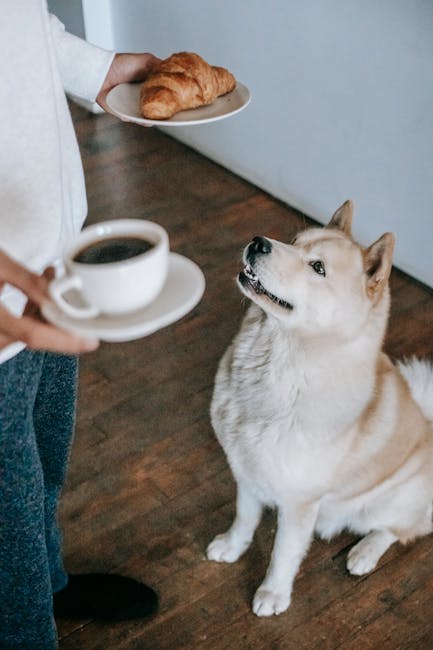
dog drooling while smelling food but refusing to eat
Introduction
Noticing your dog drooling while smelling food but refusing to eat can be concerning. This digestive symptom may affect both dogs and cats, and it often signals that something is affecting their comfort or digestive health. Changes in eating habits or digestion might indicate underlying issues that could impact your pet’s overall well-being.
Digestive symptoms like this are important to pay attention to because they might reflect discomfort, nausea, or other digestive disturbances. While occasional changes can happen, persistent symptoms should be carefully observed.
It’s important to remember that this information is meant to help you understand possible reasons behind your pet’s behavior. It does not replace professional veterinary advice. If your dog or cat shows signs such as drooling when smelling food but refusing to eat, you should consult a licensed veterinarian. They can provide a thorough evaluation and recommend appropriate care based on your pet’s specific situation.
Reviewed by the SASI Vet Digestive Symptoms Editorial Board.
How this digestive symptom appears
When a dog is drooling while smelling food but refusing to eat, owners may notice a few different signs at home. This behavior can be puzzling because the dog seems interested in food but then suddenly turns away or avoids eating altogether.
Along with drooling and refusal to eat, some dogs might show other changes such as:
- Decreased appetite or skipping meals
- Vomiting or gagging
- Signs of discomfort like pacing or whining
- Changes in bowel movements, including diarrhea or constipation
- Bloating or gas that might make the belly look swollen
It’s important to remember that each pet may look a little different when experiencing digestive issues. Some dogs might drool more than usual, while others may seem quiet or lethargic. If you notice your dog drooling while smelling food but refusing to eat, it could be a sign that something is bothering their digestive system.
Because these symptoms can have many causes, it’s best to contact a licensed veterinarian for advice tailored to your dog’s specific situation. They can help determine what might be going on and recommend the next steps to keep your pet comfortable and healthy.
Common possible causes
The symptom of dog drooling while smelling food but refusing to eat may have several different causes. Understanding these possibilities can help you decide when to seek veterinary advice.
Dietary factors
Sudden changes in diet or eating something unusual (dietary indiscretion) might cause mild digestive upset. In some cases, sensitivity to certain ingredients in food could lead to nausea or discomfort, resulting in drooling and refusal to eat.
Infections and parasites
Mild infections or parasites affecting the digestive tract may cause nausea or abdominal discomfort. These conditions might make a dog reluctant to eat despite showing interest in food by drooling.
Stress and environmental changes
Stressful situations or changes in the environment can affect a dog’s appetite. Anxiety or nervousness might cause drooling and hesitation around food without actual illness.
Because many different triggers can cause similar symptoms, it is important to consult a licensed veterinarian for a thorough evaluation and personalized advice tailored to your dog’s specific situation.
Less common but serious causes
In some cases, dog drooling while smelling food but refusing to eat may be linked to less common but more serious health issues. These conditions often require prompt veterinary evaluation to determine the underlying cause and appropriate care.
Foreign bodies and obstructions
A foreign object lodged in the mouth, throat, or digestive tract could cause excessive drooling and a reluctance to eat. This situation might be accompanied by discomfort, gagging, or vomiting, and should be assessed by a veterinarian as soon as possible.
Organ and pancreatic problems
Less commonly, diseases affecting organs such as the liver, kidneys, or pancreas might lead to changes in appetite and drooling. Pancreatic inflammation, for example, can cause nausea and discomfort that affect eating behavior.
Severe infections and other conditions
Severe infections in the mouth or digestive system may also cause drooling and refusal to eat. In rare cases, more serious illnesses such as cancer could present with these symptoms. Because these causes vary widely in severity, veterinary consultation is important for accurate diagnosis and care.
If your dog is drooling while smelling food but refusing to eat, contacting a licensed veterinarian is the best step to ensure your pet receives appropriate evaluation and support.
When it may be an emergency
If your dog is drooling while smelling food but refusing to eat, this could sometimes indicate an underlying issue that needs prompt attention. While occasional drooling and loss of appetite might not be urgent, certain signs alongside these symptoms may require immediate veterinary care.
Red flag signs to watch for
You should contact a veterinarian urgently if your pet shows any of the following:
- Repeated vomiting or retching
- Blood in vomit or stool
- Severe abdominal pain or discomfort
- A swollen, tight, or distended belly
- Collapse, weakness, or difficulty standing
- Pale or bluish gums
- Seeming very unwell or lethargic beyond usual behaviour
These signs could indicate serious conditions that might require immediate evaluation. If you notice any of these alongside your dog drooling while smelling food but refusing to eat, it is important to seek veterinary advice without delay. Early assessment can help ensure your pet receives the appropriate care as soon as possible.
How veterinarians investigate digestive symptoms
When a dog is drooling while smelling food but refusing to eat, veterinarians begin by gathering a detailed history. This includes questions about the pet’s eating habits, any changes in appetite, vomiting, diarrhea, or other signs that might indicate digestive issues.
Physical examination and abdominal palpation
A thorough physical exam is performed to check the overall health of the pet. Veterinarians often palpate the abdomen gently to feel for any abnormalities such as pain, swelling, or masses that could explain digestive discomfort.
Diagnostic tests
Blood tests may be recommended to assess organ function and detect signs of infection or inflammation. Stool tests can help identify parasites or infections affecting the digestive tract.
In some cases, imaging techniques like X-rays or ultrasound might be used to visualize the stomach and intestines. These tools can help detect blockages, foreign objects, or structural problems.
Advanced procedures
If initial tests do not provide clear answers, veterinarians might suggest endoscopy or surgery to directly examine the digestive tract. These procedures are typically considered when less invasive methods have not identified the cause of symptoms.
If your dog is drooling while smelling food but refusing to eat, it is important to consult a licensed veterinarian. They can guide you through appropriate diagnostic steps and recommend the best course of action for your pet’s health.
What pet owners can monitor at home
If you notice your dog drooling while smelling food but refusing to eat, it can be helpful to observe and record certain details at home. Tracking these signs may provide useful information to share with your veterinarian.
Frequency and duration
Note how often your dog shows this drooling and refusal to eat. Is it happening every meal, occasionally, or just once? Also, consider how long the behaviour lasts each time.
Appetite and eating habits
Keep track of any changes in your dog’s appetite beyond the drooling episode. Are they eating less overall or avoiding certain foods? Have you introduced any new treats or meals recently?
Other physical signs
Observe your dog’s water intake, energy levels, and weight. Changes in these areas might accompany digestive symptoms and could be important to mention to your veterinarian.
Stool and vomiting
Monitor your dog’s stool for any changes in consistency, colour, or frequency. If vomiting occurs, note its appearance and how often it happens. These details might help your veterinarian understand the situation better.
Remember, while these observations can be valuable, they do not replace professional veterinary advice. If your dog drooling while smelling food but refusing to eat continues or worsens, please consult a licensed veterinarian for personalized guidance.
General home care guidance
If you notice your dog drooling while smelling food but refusing to eat, it may indicate an underlying issue that requires veterinary attention. Following your veterinarian’s instructions carefully is important to support your pet’s recovery and comfort.
Keep fresh, clean water available at all times to help maintain hydration. Even if your pet is not eating, drinking water is essential for their well-being.
Preventing access to unsafe items
Make sure your pet cannot reach trash, spoiled food, or anything that might be harmful if ingested. This precaution helps avoid additional digestive upset or potential poisoning.
Avoid human medications
Do not give your pet any human medications or supplements unless specifically directed by your veterinarian. Some substances that are safe for people can be dangerous for dogs.
Remember, the symptom of dog drooling while smelling food but refusing to eat could have many causes. If this behavior continues or worsens, contact your veterinarian promptly for a thorough evaluation and personalized advice tailored to your pet’s needs.
Supporting long-term digestive health
Maintaining your pet’s digestive health over time involves several important strategies that may help reduce issues such as dog drooling while smelling food but refusing to eat. A consistent diet tailored to your pet’s needs can support a balanced digestive system and overall well-being.
Diet and Feeding Habits
When diet changes are necessary, introducing new foods gradually might help your pet adjust without upsetting their digestive system. Avoiding sudden food binges or access to harmful items is also important, as these can cause digestive upset or other health concerns.
Regular veterinary care
Routine veterinary checkups could help detect and address digestive problems early. Your veterinarian can provide guidance on parasite prevention and other measures that may protect your pet’s digestive health in the long term.
If your pet shows ongoing signs like drooling when smelling food but refusing to eat, it is best to consult a licensed veterinarian. They can offer personalized advice and help determine if further evaluation is needed to support your pet’s digestive wellness.
FAQs
Why is my dog drooling while smelling food but refusing to eat?
This behavior may indicate nausea, dental discomfort, or an underlying digestive issue. In some cases, it could be related to stress or changes in appetite. It’s important to observe your dog closely and consult a veterinarian to determine the cause.
Could this symptom be a sign of a serious health problem?
Yes, drooling while smelling food but refusing to eat might be linked to conditions such as gastrointestinal upset, oral pain, or systemic illness. Early veterinary evaluation can help identify any serious concerns and guide appropriate care.
What should I do if my dog shows this symptom?
Monitor your dog’s behaviour and appetite carefully. If the symptom persists for more than a day or is accompanied by vomiting, lethargy, or other changes, contact your veterinarian promptly for advice tailored to your pet’s needs.
Can stress cause my dog to drool and refuse food?
Stress or anxiety might contribute to changes in eating habits and drooling. However, it’s important to rule out medical causes first. A veterinarian can help determine whether stress or a health issue is responsible.
Is this symptom common in certain breeds or ages?
While any dog can experience this symptom, older dogs or those with dental problems may be more prone to drooling and appetite changes. Regardless of breed or age, veterinary assessment is recommended to ensure proper care.
Summary
Digestive symptoms in pets, such as a dog drooling while smelling food but refusing to eat, can be concerning for any pet owner. These signs may indicate a variety of underlying issues, ranging from mild digestive upset to more serious health conditions. Understanding that such symptoms could have multiple causes is important for ensuring your pet receives appropriate care.
Some possible reasons for these digestive symptoms include:
- Oral discomfort or dental problems
- Nausea or gastrointestinal irritation
- Stress or anxiety related to feeding
- Other medical conditions affecting appetite or digestion
Because the causes can vary widely, it is essential to work closely with a licensed veterinarian. They can perform a thorough examination and recommend appropriate diagnostic tests to identify the root cause. Early veterinary attention may help prevent complications and support your pet’s comfort and well-being.
Remember, while noticing your dog drooling while smelling food but refusing to eat might feel worrying, staying calm and seeking professional advice is the best approach. Your veterinarian can guide you through the next steps to help your pet feel better.
- Canadian Veterinary Medical Association
- American Veterinary Medical Association
- World Small Animal Veterinary Association
- Ontario Veterinary College, University of Guelph
- Western College of Veterinary Medicine, University of Saskatchewan
Disclaimer: This article provides general information about digestive symptoms in pets and does not replace professional veterinary advice. Always consult a licensed veterinarian regarding your pet’s specific condition.