Onion and garlic toxicity in pets

Share
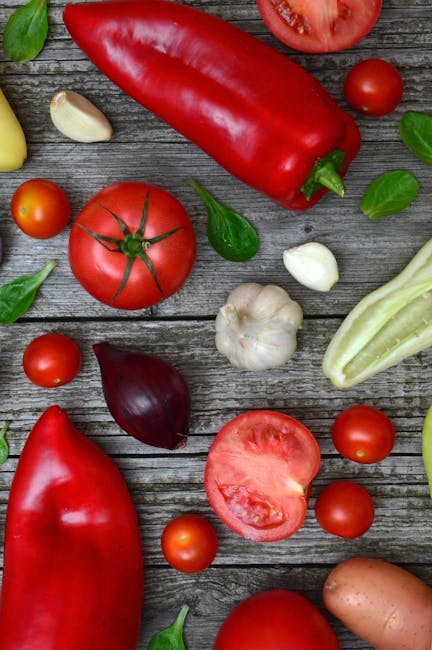
onion and garlic toxicity in pets
Introduction
Many common human foods and ingredients may be unsafe for dogs and cats. Understanding which foods could cause harm is important to help keep your pets healthy and safe. This article focuses on onion and garlic toxicity in pets, two ingredients that might seem harmless but can pose risks.
Pets have different metabolisms than humans, so foods that are safe for people might cause illness or other problems in animals. Onion and garlic, for example, contain compounds that could damage a pet’s red blood cells in some cases, leading to health concerns.
This information is intended for general education only and should not replace professional veterinary advice. If you suspect your pet has eaten something unsafe, it is important to contact a licensed veterinarian or an animal poison control center immediately. Prompt expert guidance is the best way to ensure your pet’s well-being.
Reviewed by the SASI Vet Nutrition & Toxic Foods Editorial Board.
Why some human foods are toxic to pets
Dogs and cats can react differently to certain human foods because their bodies process substances in unique ways. Factors like metabolism, body size, and organ function all influence how a pet might be affected by ingredients that are safe for people.
Differences in metabolism and body size
Pets often have faster or slower metabolic rates compared to humans, which means some foods may build up to harmful levels more quickly. Additionally, smaller body size means even a small amount of a toxic food could cause problems.
How certain substances affect pets
Some ingredients found in human foods might affect a pet’s liver, kidneys, heart, nervous system, or blood. For example, compounds in onion and garlic toxicity in pets may damage red blood cells, leading to serious health issues.
Common effects of toxic foods
- Damage to vital organs like the liver or kidneys
- Changes in heart rhythm or blood pressure
- Neurological symptoms such as weakness or seizures
- Blood disorders that reduce oxygen delivery
If you suspect your pet has eaten something unsafe, it is important to contact a licensed veterinarian or an animal poison helpline immediately. Early advice can help protect your pet’s health and wellbeing.
Common toxic foods for dogs and cats
Many everyday human foods can be unsafe or toxic to dogs and cats. Understanding these common hazards helps pet owners prevent accidental poisoning and keep their pets healthy.
Chocolate and cocoa
Chocolate contains substances that may affect the heart and nervous system of pets. Even small amounts could cause symptoms like vomiting, restlessness, or more serious complications in some cases.
Grapes and raisins
Grapes and raisins might lead to kidney problems in dogs and cats. The exact cause is not fully understood, but ingestion should be avoided entirely to prevent potential harm.
Onions and garlic
Onion and garlic toxicity in pets is a concern because these foods may damage red blood cells, leading to anemia. Both raw and cooked forms could pose risks, so it’s best to keep them away from pets.
Other common hazards
- Alcohol: Even small amounts might cause intoxication and dangerous effects on the nervous system.
- Artificial sweeteners (like xylitol): These could cause low blood sugar and liver issues in dogs.
- Raw doughs: Rising dough may expand in the stomach and produce harmful alcohol as it ferments.
- Some nuts: Certain nuts might cause digestive upset or neurological symptoms.
- Certain bones: Cooked bones can splinter and cause choking or internal injuries.
If you suspect your pet has eaten any unsafe food, contact a veterinarian or an animal poison helpline immediately for guidance. Prompt action can help protect your pet’s health and well-being.
Less obvious or situational food risks
While many pet owners are aware of common dangers like onion and garlic toxicity in pets, some foods and situations might not seem risky at first but could still cause harm. Very salty snacks or heavily seasoned foods may lead to digestive upset or more serious issues in sensitive animals.
Fatty table scraps and leftovers that have spoiled might cause stomach irritation or pancreatitis in some pets. Even small amounts could be problematic depending on the individual animal’s health and tolerance.
Foods that pose choking or obstruction risks
Certain foods, especially those with bones, tough skins, or large chunks, might cause choking or intestinal blockages. What seems like “just a bite” could still lead to serious complications requiring veterinary attention.
- Very salty or heavily seasoned snacks
- Fatty or greasy table scraps
- Leftovers that may have spoiled
- Foods with bones or tough textures
Because risks vary widely, it’s best to avoid feeding pets these types of foods. If you suspect your pet has eaten something unsafe or is showing unusual symptoms, contact a licensed veterinarian or an animal poison helpline promptly for guidance.
How to recognize possible food poisoning in pets
Pets that have eaten something unsafe, such as foods linked to onion and garlic toxicity in pets, may show a variety of signs. These symptoms can appear within hours or sometimes take longer to develop. Being aware of possible signs can help you seek timely veterinary care.
Common signs to watch for include:
- Vomiting or diarrhea
- Excessive drooling
- Weakness or lethargy
- Tremors or shaking
- Changes in behaviour, such as restlessness or hiding
- Increased thirst or changes in urination
- Collapse or seizures in severe cases
If you notice any of these signs after your pet has eaten something potentially harmful, it is important to contact a veterinarian or an animal poison helpline immediately. Early assessment and care can make a significant difference in your pet’s recovery.
Remember, even if symptoms seem mild at first, they could worsen quickly. When in doubt, prompt professional advice is the safest choice for your pet’s health and well-being.
What to do if your pet eats something toxic
If you suspect your pet has ingested a harmful substance, such as foods related to onion and garlic toxicity in pets, it is important to act quickly and calmly. Contact your veterinarian or an animal poison helpline immediately for professional guidance.
Information to have ready
When you call for help, try to provide clear details about what your pet ate and when the ingestion occurred. This information can help the veterinary team assess the situation more accurately and recommend the best course of action.
Important precautions
- Do not attempt to induce vomiting or give any home remedies unless specifically instructed by a veterinarian.
- Avoid giving your pet any medications or treatments without professional advice.
- Keep your pet calm and prevent further access to the toxic substance.
Remember, quick communication with a veterinary professional is the safest way to protect your pet’s health in cases of potential poisoning. Early intervention might reduce the risk of serious complications.
How veterinarians may manage food-related poisoning
When a pet is suspected of experiencing onion and garlic toxicity in pets or other food-related poisoning, veterinarians typically begin with a thorough examination. This helps assess the pet’s overall condition and identify any immediate risks. They may also recommend diagnostic tests to better understand the severity of the poisoning and monitor organ function.
Supportive care and monitoring
Supportive care is often a key part of treatment. This might include providing intravenous fluids to maintain hydration and support the pet’s body as it works to eliminate toxins. Close monitoring of vital signs and blood work may be necessary to track the pet’s progress and detect any complications early.
Additional treatments
In some cases, veterinarians might use specific treatments tailored to the type of poisoning and the pet’s symptoms. However, these treatments vary widely and should only be administered by a professional. It is important for pet owners to seek veterinary advice promptly rather than attempting home remedies.
If you suspect your pet has ingested something harmful, including foods containing onions or garlic, contact your veterinarian or an animal poison helpline immediately. Early intervention can make a significant difference in outcomes.
Choosing safer treat options and prevention tips
When considering treats for your pet, it’s important to choose options that are generally safe and unlikely to cause harm. Small amounts of pet-safe commercial treats can be a good choice, as they are formulated with animal health in mind. In some cases, certain fruits and vegetables may also be suitable, but it’s best to consult your veterinarian before introducing these to your pet’s diet.
Preventing access to harmful foods
Onion and garlic toxicity in pets is a serious concern, so preventing your pet from accessing these and other unsafe foods is key. Keep trash bins securely covered and avoid leaving leftovers where pets can reach them. Alcohol and snack tables should also be off-limits to pets to reduce the risk of accidental ingestion.
Educating family and visitors
Make sure everyone in your household, as well as visitors, understands the importance of not feeding pets without checking first. Many people may not realize that common human foods can be dangerous to animals. Clear communication helps protect your pet from accidental exposure to toxic substances.
- Use only pet-safe treats recommended by your veterinarian.
- Store food and trash securely out of your pet’s reach.
- Inform guests about your pet’s dietary restrictions.
If you suspect your pet has eaten something unsafe, contact a licensed veterinarian or an animal poison helpline immediately for advice.
FAQs
What should I do if my dog eats chocolate?
Chocolate can be harmful to dogs and may cause symptoms like vomiting, restlessness, or rapid breathing. If your dog has eaten chocolate, contact your veterinarian or an animal poison helpline immediately for advice. Prompt professional guidance is important to ensure your pet’s safety.
Is a single grape always an emergency for pets?
Grapes and raisins might cause kidney problems in some dogs, but reactions can vary. Even a small amount could be risky, so it’s best to treat any ingestion as a potential emergency. Contact your vet right away if your pet eats grapes or raisins.
Are certain bones safe for dogs to chew?
Cooked bones can splinter and cause choking or internal injuries, so they are generally unsafe. Raw bones may be less risky but still carry potential hazards like tooth damage or bacterial contamination. Always consult your veterinarian before giving bones to your pet.
How can I keep my pet safe during holiday meals?
Holiday foods often contain ingredients that may cause onion and garlic toxicity in pets or other health issues. Keep pets away from table scraps and educate family members about the risks. If you suspect your pet has eaten something unsafe, contact your vet promptly.
Summary
Understanding onion and garlic toxicity in pets is important because these common foods may cause a range of health issues. Pets can react differently, and symptoms might appear mild at first or become more serious over time. Recognizing potential signs early can help protect your pet’s well-being.
Why Toxic Foods Matter
Onions, garlic, and related foods contain compounds that could harm pets’ red blood cells, leading to anemia or other complications. Even small amounts might affect some animals, so it’s best to be cautious with what your pet can access.
Signs to Watch For
- Weakness or lethargy
- Pale gums
- Loss of appetite
- Vomiting or diarrhea
- Rapid breathing or increased heart rate
Prevention and Action
Storing foods safely out of reach is a simple way to reduce risk. If you suspect your pet has eaten something unsafe, contacting a veterinarian or an animal poison helpline promptly is the safest step. Early advice can make a significant difference in outcomes.
Remember, staying informed and cautious helps keep your pet healthy and happy. When in doubt, professional guidance is always the best choice.
- Canadian Veterinary Medical Association
- American Veterinary Medical Association
- World Small Animal Veterinary Association
- Animal poison control centres
- Major veterinary teaching hospitals
Disclaimer: This article provides general information about potentially toxic foods for pets and does not replace professional veterinary advice. If you think your pet has eaten something unsafe, contact a veterinarian or an animal poison helpline immediately.