Why is my cat licking paws constantly

Share
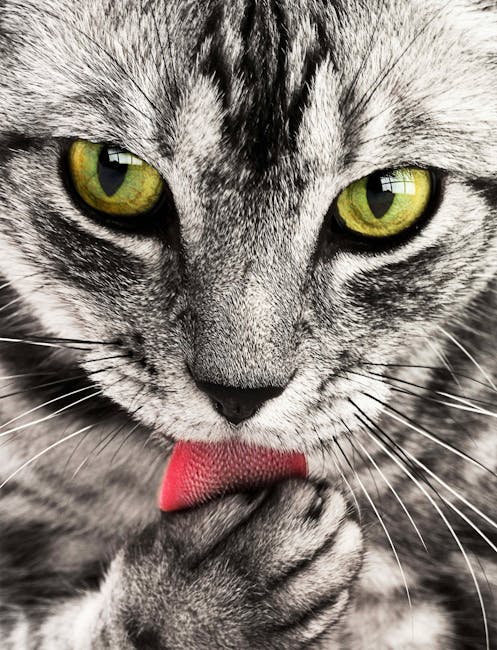
Constant paw licking in cats is one of the most misunderstood behaviours owners encounter. While some paw grooming is completely normal — cats lick their paws after eating or to clean their face — constant, obsessive licking points to a specific underlying problem. Cats lick their paws for very different reasons than dogs, and the approach to diagnosis reflects this.
Normal vs Problem Paw Licking
A cat licking its paws after a meal, bath, or walk is normal grooming. The concern arises when: licking is focused on one paw repeatedly, the paw fur is stained (reddish-brown from saliva), the skin looks raw or inflamed, or the cat is limping alongside licking.
Common Causes in Cats
1. Contact Allergy or Irritant
Cats walk across floors cleaned with household products, step into litter trays, and contact garden chemicals. Their paws absorb irritants directly. Floor cleaners, disinfectants, and scented litters are frequent culprits. The cat licks to remove the substance — often making the irritation worse. Rinsing paws with clean water and identifying the irritant is the first step.
2. Food Allergy
Food allergies in cats frequently manifest as itching around the head and face — and the paws. Unlike dogs where food allergy often causes generalised itching, cats more characteristically develop facial, head, neck, and paw itching from food sensitivity. The most common feline food allergens are beef, dairy, and fish (ironically common in cat foods).
3. Paw Pad Injury or Foreign Body
A thorn, glass fragment, or small stone embedded in a paw pad causes focused, persistent licking of that specific paw. Check the paw pads carefully under good light, spreading the toes to examine between them. A swollen, warm, or oozing paw pad needs immediate veterinary attention.
4. Feline Plasma Cell Pododermatitis (Pillow Foot)
This is a uniquely feline immune-mediated condition that causes soft, spongy swelling of the paw pads — particularly the large central pad. The pads may develop a cross-hatched appearance and become ulcerated. Cats typically lick these swollen pads persistently. Pillow foot has no direct equivalent in dogs and requires immune-modulating treatment.
5. Stress and Anxiety
Cats under chronic stress often redirect their anxiety into repetitive behaviours — paw licking being one of them. This is particularly common in indoor-only cats with insufficient environmental enrichment. The licking follows a compulsive pattern, often at predictable times (evening, after feeding) and is hard to interrupt once started.
6. Nail Bed Infection (Paronychia)
Infection or inflammation around the nail base causes swelling, redness, and intense licking at the nail area. In cats, this can result from physical trauma (snagged claw), ingrown nails (especially in older cats), or as part of autoimmune conditions like pemphigus. Left untreated, nail bed infections can lead to nail loss.
When to See a Vet
Seek veterinary advice if: the licking has been ongoing for more than a week, the paw appears swollen, red, or the fur is heavily stained, your cat is limping, or you can’t find an obvious external cause. Early investigation prevents secondary infection from chronic licking.