
Can My Cat Have Skin Discoloration After Wounds? Causes and What to Do

Share
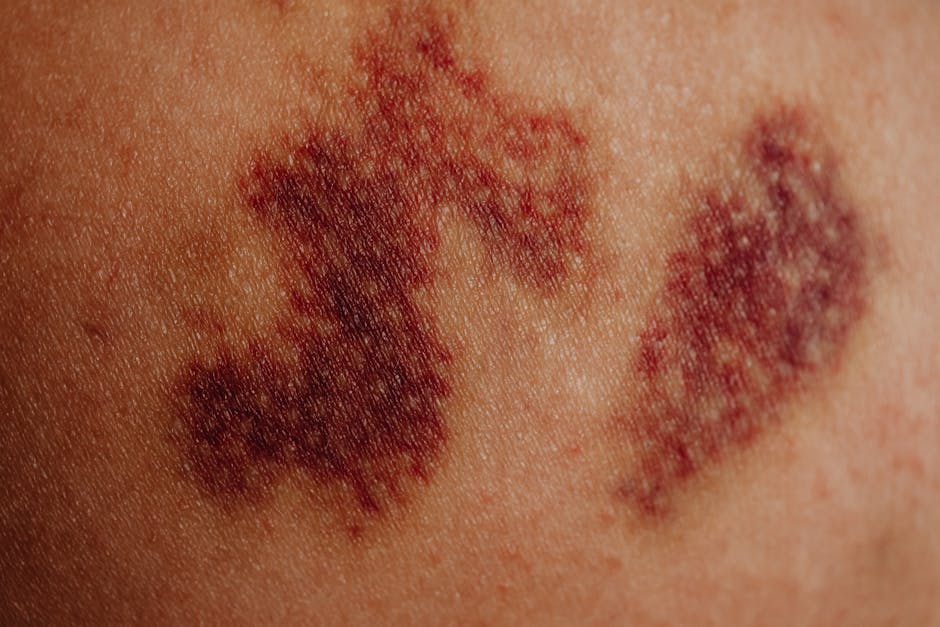
Can my cat have skin discoloration after wounds? Yes — and it is one of the more common and often misunderstood aspects of feline wound healing. Skin color changes around a healing wound in cats can be entirely normal, or they can signal complications such as infection, tissue death, or scarring. Understanding which type of discoloration you are seeing is essential to knowing when to monitor at home and when to return to the veterinarian.
Can My Cat Have Skin Discoloration After Wounds? What Is Normal
Can my cat have skin discoloration after wounds as a normal part of healing? Absolutely. Several color changes are expected during the stages of feline wound healing:
- Redness (erythema) in the first 24–72 hours reflects normal inflammatory vasodilation — increased blood flow bringing immune cells and growth factors to the wound site. A mild pink-to-red border around a fresh wound is expected and not a sign of infection on its own.
- Pink or red granulation tissue — as the wound progresses into the proliferative healing phase (days 3–14), new blood vessels and connective tissue form a moist, bright pink or beefy red surface called granulation tissue. This is healthy tissue and a positive sign.
- Hyperpigmentation (darkening) — healed wounds in cats, particularly those that involved deeper skin layers, often result in a permanent or semi-permanent dark brown or black patch. This post-inflammatory hyperpigmentation is caused by increased melanin deposition triggered by the inflammatory process and is harmless.
- Hypopigmentation (lightening) — scar tissue sometimes forms with reduced melanin, resulting in a pale or white patch where the wound healed. This is common in cats with dark coats and represents permanent or long-lasting color change at the scar site.
- Bruising (ecchymosis) — purple, blue, or green discoloration around a wound or surgical site in the first 48–72 hours reflects subcutaneous hemorrhage. This is especially common after trauma, bite wounds, or surgery involving dissection of tissue.
Can My Cat Have Skin Discoloration After Wounds That Signals a Problem?
Can my cat have skin discoloration after wounds that indicates a complication? Yes — certain color patterns require prompt veterinary evaluation:
Black or Dark Purple Discoloration (Necrosis)
Dark purple or black skin around a wound — particularly if it is firm, dry, leathery, or has a foul odor — indicates tissue necrosis (death). Necrosis can result from severe infection, inadequate blood supply, burn injury, or deep crush trauma. Necrotic tissue will not heal on its own and must be surgically debrided (removed) to allow healthy tissue to regenerate. Can my cat have skin discoloration after wounds that looks black? Yes, but black discoloration in a wound context always warrants same-day veterinary assessment.
Spreading Red Discoloration (Cellulitis)
Redness that expands outward from the wound edge over 24–48 hours — rather than remaining localized or decreasing — suggests bacterial cellulitis. Other signs include warmth, swelling, and pain on palpation. Cat bite wounds are particularly prone to rapidly progressing cellulitis due to the deep inoculation of bacteria (Pasteurella multocida, Staphylococcus) by sharp feline teeth. Systemic antibiotics are required and delay worsens prognosis.
Green or Yellow Discoloration
Green or yellow coloration within the wound bed indicates purulent exudate (pus) from bacterial infection. This is most visible in wounds with cavities, bite abscesses, or post-surgical sites where fluid accumulates. Veterinary drainage and appropriate antibiotic therapy are required.
White or Gray Wound Bed (Slough)
A gray-white, soft, wet layer over a wound surface is called slough — dead cells and fibrin that accumulate in infected or poorly healing wounds. Unlike healthy granulation tissue (which is bright pink and firm), slough is pale, friable, and odorous. Wound debridement is needed to remove slough and allow healthy tissue formation.
Pale or White Skin Around a Wound
If the skin surrounding a wound turns white and feels cold, this may indicate vascular compromise — inadequate blood flow to the area. This is particularly relevant after tight bandaging (bandage too tight), degloving injuries, or wounds involving vascular damage. Emergency evaluation is needed.
Why Does Skin Discoloration After Wounds Happen in Cats?
Can my cat have skin discoloration after wounds for multiple reasons? Yes — the cause depends on the stage of healing and what is happening in the tissue:
- Melanocyte stimulation — inflammatory mediators released during wound healing stimulate melanocytes (pigment cells) to produce more melanin, causing lasting dark patches
- Scar tissue formation — scar tissue has a different cellular composition than normal skin, often with fewer melanocytes, leading to pale or white areas
- Hair coat regrowth — new fur growing over a healed wound may come in a different color or texture than surrounding fur, particularly in cats that have had clipper alopecia or deep skin damage
- Hemosiderin deposition — iron released from broken-down blood cells in bruised tissue deposits as hemosiderin, creating a yellow-brown stain that can persist for weeks
Skin Discoloration After Specific Types of Wounds in Cats
Can My Cat Have Skin Discoloration After Wounds from Bites?
Can my cat have skin discoloration after wounds from bites? Frequently yes. Cat bite wounds often appear deceptively minor at first — small puncture marks — but create deep tissue pockets ideal for abscess formation. As the abscess develops (typically 3–7 days after the bite), overlying skin may turn dark purple, brown, or develop a focal necrotic center that eventually ruptures. Post-abscess healing commonly leaves a hyperpigmented or hypopigmented scar.
Can My Cat Have Skin Discoloration After Wounds from Surgery?
Post-surgical skin discoloration is very common. Bruising around incision sites typically peaks at 48–72 hours and resolves over 1–2 weeks. The incision line itself usually heals with a thin pale or pink scar. If skin along the incision becomes dark, warm, and painful after day 3, incisional dehiscence (wound opening) or infection should be suspected and the veterinarian contacted immediately.
Can My Cat Have Skin Discoloration After Wounds from Burns?
Burn injuries in cats cause dramatic skin color changes — initial redness followed by white or gray dead tissue, then black eschar formation as the skin desiccates. Even small burns can be deceptively serious in cats due to thin skin and limited ability to thermoregulate. Any suspected burn warrants same-day veterinary evaluation.
Can My Cat Have Skin Discoloration After Wounds from Degloving?
Degloving injuries — where skin is stripped from underlying tissue, typically from road traffic accidents — leave large areas of exposed, discolored tissue. Can my cat have skin discoloration after wounds this severe? Yes, and the color changes will be dramatic and the healing prolonged. Specialist wound management and often skin grafting are required.
When to Contact Your Veterinarian
Monitor your cat’s wound carefully and contact your veterinarian if you notice:
- Black or dark purple skin that is firm, dry, or foul-smelling (possible necrosis)
- Redness spreading outward from the wound edge over hours or days (cellulitis)
- Green, yellow, or cloudy discharge (infection)
- Pale or cold skin around the wound (vascular compromise)
- Wound reopening or edges pulling apart
- Your cat excessively licking, biting, or scratching the wound
- Fever, lethargy, or reduced appetite accompanying wound changes
- Any discoloration you cannot explain or that is worsening
Home Care for Cats With Wound Discoloration
For normal post-wound skin discoloration confirmed by your veterinarian:
- Keep the wound clean and dry unless your vet has prescribed a specific wound-care protocol
- Use an Elizabethan collar to prevent licking — saliva introduces bacteria and delays healing
- Do not apply human antiseptics (hydrogen peroxide, alcohol, iodine) directly to healing wounds — these delay granulation tissue formation and damage healthy cells
- Photograph the wound and surrounding skin daily — visual comparison over days helps detect subtle changes that are easy to miss otherwise
- Follow all prescribed antibiotic courses completely, even if the wound appears to be healing
For further guidance on feline wound care, the American Veterinary Medical Association (AVMA) and the Canadian Veterinary Medical Association (CVMA) provide owner-oriented resources on skin health and wound management in companion animals. See also our related article on cat skin irritation and facial wound changes and allergic skin reactions in cats.
Frequently Asked Questions
Can my cat have skin discoloration after wounds permanently?
Can my cat have skin discoloration after wounds permanently? Yes. Deep wounds that damage the dermis and melanocytes often result in permanent hyperpigmentation (dark patches) or hypopigmentation (pale patches) at the healed scar site. This is cosmetic and does not affect your cat’s health or comfort.
Can my cat have skin discoloration after wounds that looks like bruising weeks later?
Can my cat have skin discoloration after wounds that looks like bruising weeks later? Hemosiderin staining from resolved bruising can persist as a yellow-brown discoloration for 4–6 weeks or longer. If the color is not fading and the skin is warm or thickened, re-evaluation is warranted.
Can my cat have skin discoloration after wounds that appears black — is that always serious?
Black or very dark purple skin around a wound is always worth veterinary evaluation because it can indicate necrosis. However, dried blood (eschar) can also appear very dark — your veterinarian can distinguish between superficial dried blood and true necrotic tissue on examination.
Can my cat have skin discoloration after wounds with fur color change — is that normal?
Yes. Fur regrowth after skin injury in cats often comes in a different color or texture than the original coat, particularly in areas where clipper alopecia occurred during surgery. This is related to the temperature-sensitive pigmentation mechanism in cats (similar to point coloration in Siamese cats) and often normalizes over several months, though it can be permanent.
Can my cat have skin discoloration after wounds from scratching or self-trauma?
Can my cat have skin discoloration after wounds from scratching? Yes. Repeated self-trauma to an area causes chronic inflammation leading to hyperpigmentation (lichenification) and thickening of the skin. This is common in cats with allergic skin disease or behavioral over-grooming. Addressing the underlying cause prevents progression.
Summary
Can my cat have skin discoloration after wounds? Yes — and the color change can be entirely normal or a sign of serious complications. Normal changes include redness, pink granulation tissue, bruising, and post-inflammatory hyper- or hypopigmentation as the wound heals. Concerning changes include expanding redness (cellulitis), black or purple discoloration (necrosis), green or yellow discharge (infection), and pale cold skin (vascular compromise). Monitoring wound color changes daily and contacting your veterinarian promptly when concerning signs appear is the most important thing an owner can do during wound recovery.
Reviewed by the Vetpedia Veterinary Editorial Board. This article provides general clinical information and does not replace individualized veterinary advice. Always consult a licensed veterinarian for diagnosis and treatment of your pet.